The biggest inheritance battles ever (copy)
Battles of wills
Wellington Burt
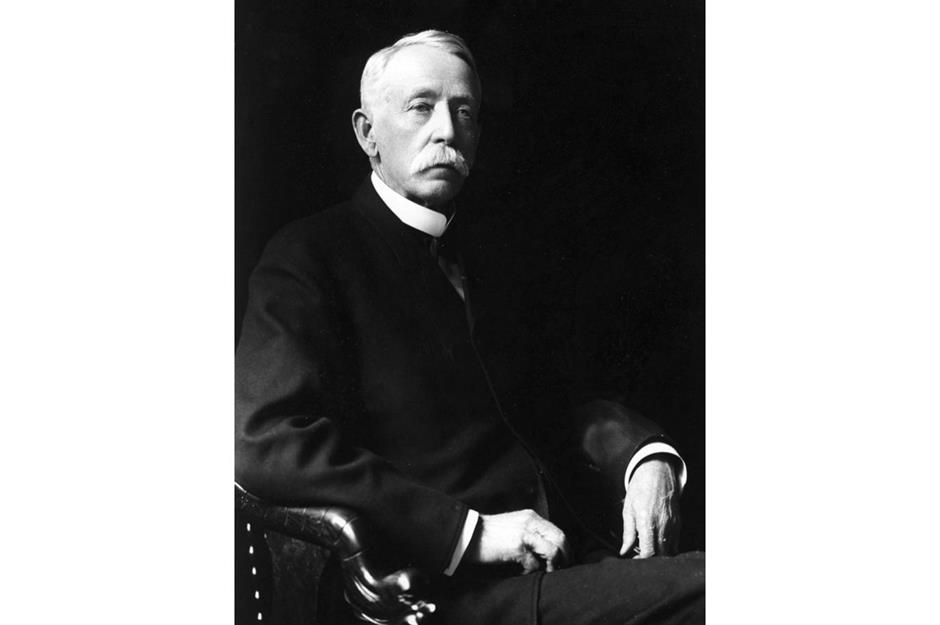
This wealthy lumber baron may have died more than a century ago in 1919, but he left one of the most bizarre wills ever. Allegedly, after a fall-out with his close family members, Burt stipulated that not one of them would receive a penny of his $100 million estate, which is the equivalent of $1.5 billion (£854m) in today’s money. Instead, his will said that his descendants could only access his estate 21 years after the last surviving grandchild. That meant that it was as late as 2013 when the money was finally shared out – among 12 descendants he’d never met.
Jimi Hendrix
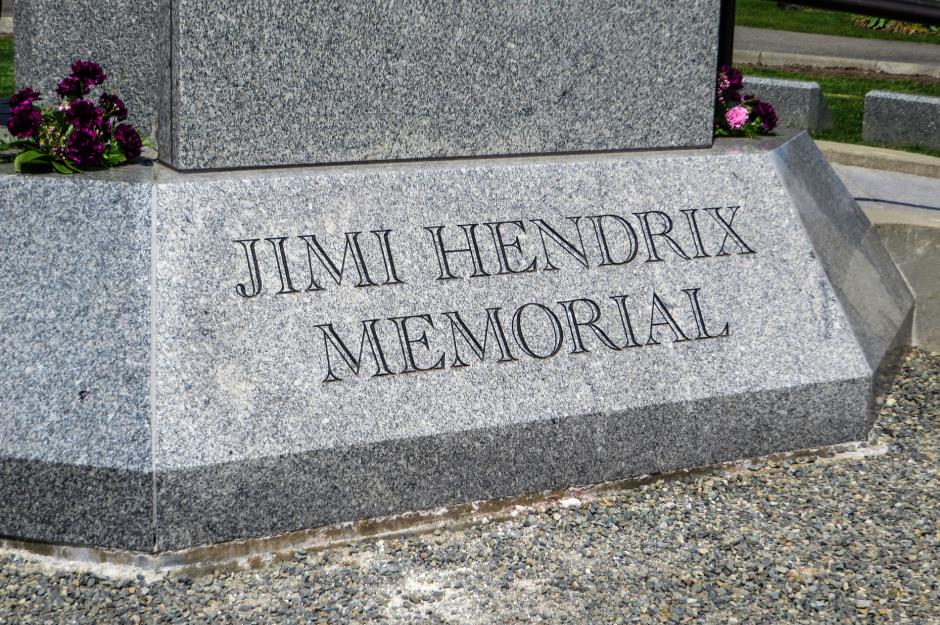
Legendary guitarist Jimi Hendrix died from a drug overdose in 1970 aged just 27. He left no will and his attorney managed his estate for 20 years, until Jimi's father Al successfully sued for the right to manage his music. When Al died in 2002, Jimi's estimated $80 million (£56.3m) fortune was left to Al's adopted daughter Janie, but Jimi's brother Leon claimed he had a right to the inheritance, leading to a court battle which he lost. The Hendrix estate has since taken Leon to court for the illegal sale of merchandise.
Sponsored Content
John Lennon
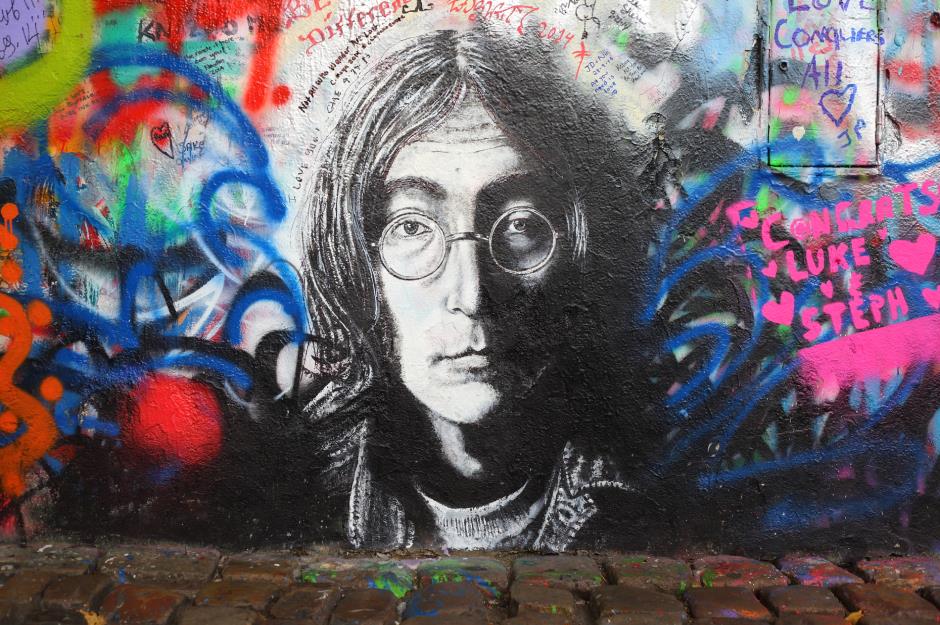
When John Lennon was murdered in 1980, his widow Yoko Ono and his accountant were given control of his estate reported to be worth over £220 million ($501.6m). The chief beneficiaries were said to be Ono and her son with Lennon, Sean. Yet Lennon's son from his first marriage, Julian, was only given a trust fund that had been set up at the time of Lennon's divorce. Julian challenged the will and 16 years later he finally reached an out-of-court settlement with Ono. Although the figure was never published, it was rumoured to be in the region of £20 million ($30.5m).
The Koch brothers
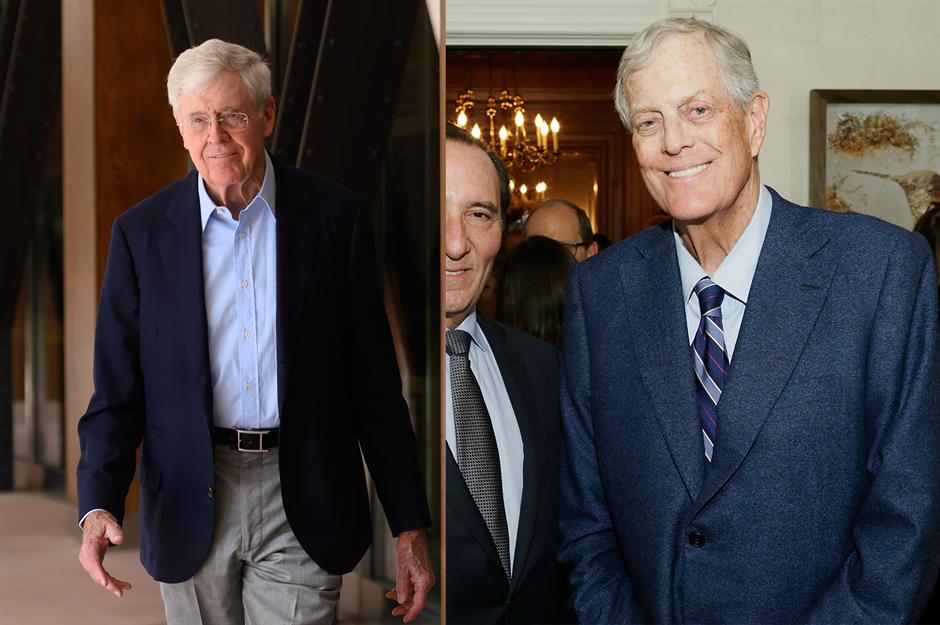
The four sons of Fred Koch spent nearly 20 years feuding over the co-founder of energy conglomerate Koch Industries' fortune. The argument stemmed from whether two brothers, Charles (left) and David (right, who passed away in 2019), cheated William and Frederick (who passed away last February), out of $2.3 billion (£1.5bn) when they sold their shares of the company. The four brothers only communicated through lawyers for years, but finally reconciled in 2001, although the terms of the settlement were not disclosed.
Johnson & Johnson fortune
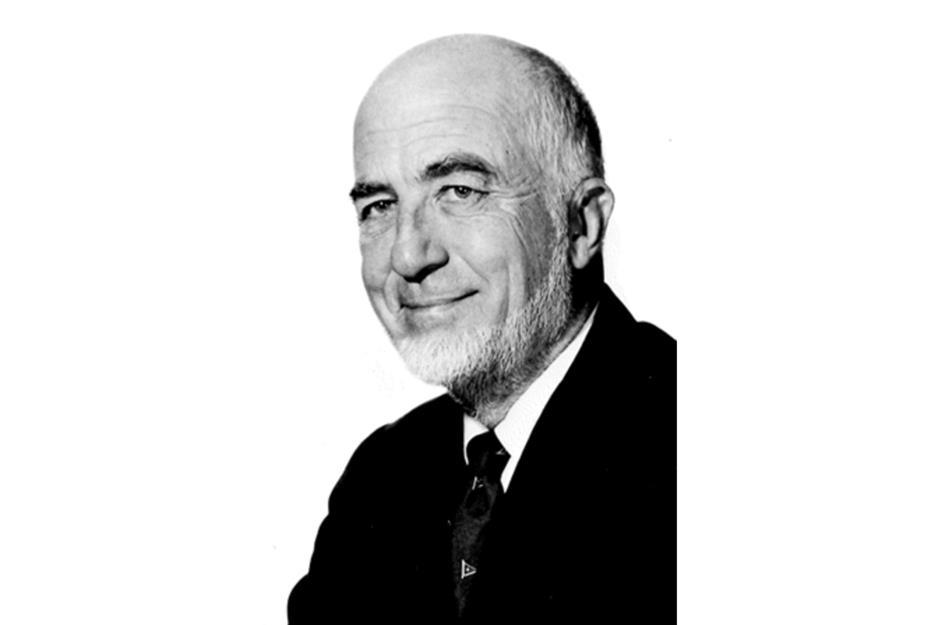
When J. Seward Johnson (pictured), director of the eponymous pharmaceutical company Johnson & Johnson, died in 1983 he left the bulk of his estate, reported to be worth at least $400 million (£265.4m), to his third wife Barbara Johnson. Given that she was a woman he'd married at the age of 76, who was 42 years his junior, the will provoked uproar from his children. His six children from former wives contested the will, and in an out-of-court settlement it was agreed that $40 million (£26.5m) would be divided among them.
Sponsored Content
J. Howard Marshall
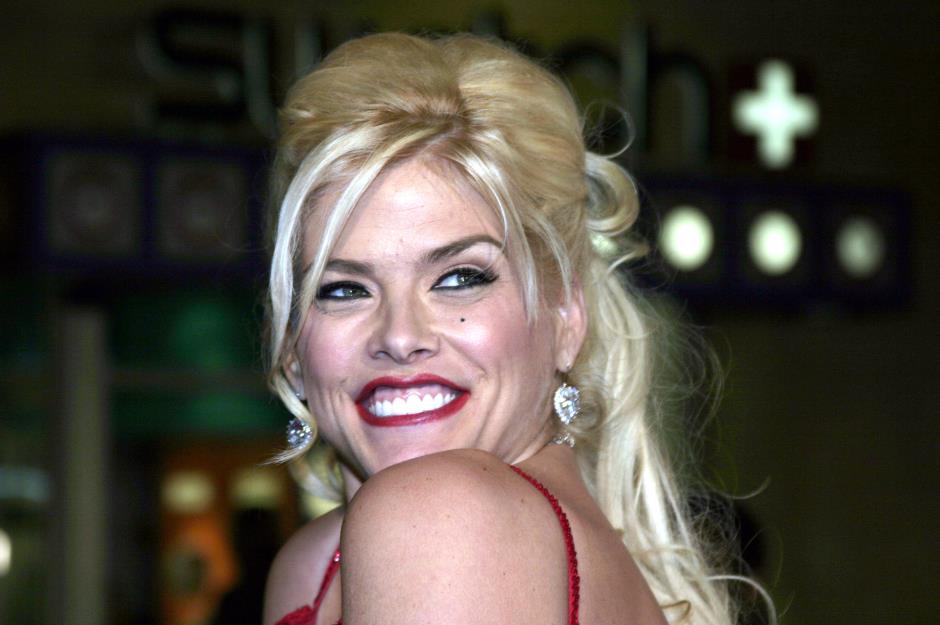
Texan oil billionaire J. Howard Marshall was 89 years old when he married 26-year-old Anna Nicole Smith in 1994. He died just over a year later without leaving Anna a dime of his $1.6 billion (£1.1bn) estate. She spent the rest of her life fighting unsuccessfully for a stake in his estate but died in 2007 from a drug overdose. Her estate fought on for a proportion of Marshall's money, but the only financial winners were said to be the lawyers involved.
Jay Pritzker

Jay Pritzker and his brother Robert built up an estimated $15 billion (£9.3bn) fortune through their Hyatt hotel empire and various related businesses. Jay died in 1999 from a cardiac arrest and in 2002 his 19-year-old niece Liesel filed a lawsuit against family members, accusing them of dipping into her and her brother's trust funds. The siblings won $500 million (£352m) each but lost all claims on the family assets, which were divided up among other family members.
Ted Williams
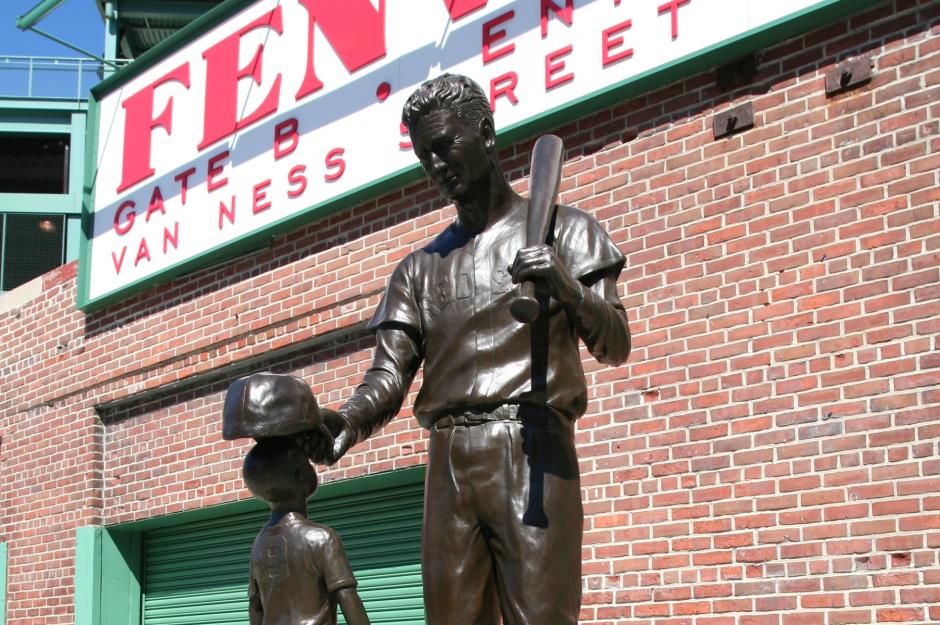
When baseball legend Ted Williams died in 2002 a dispute arose not over his estate, but over how his remains should be left. Soon after his death, his son John Henry arranged for his head and body to be frozen separately in a cryonics chamber. His eldest daughter Barbara Joyce Williams Ferrell, however, wanted him to be cremated, according to what she said were his wishes. She eventually dropped the case because she could no longer afford to pursue it and Ted Williams' body remains frozen in two parts.
Sponsored Content
Sir Peter Ustinov
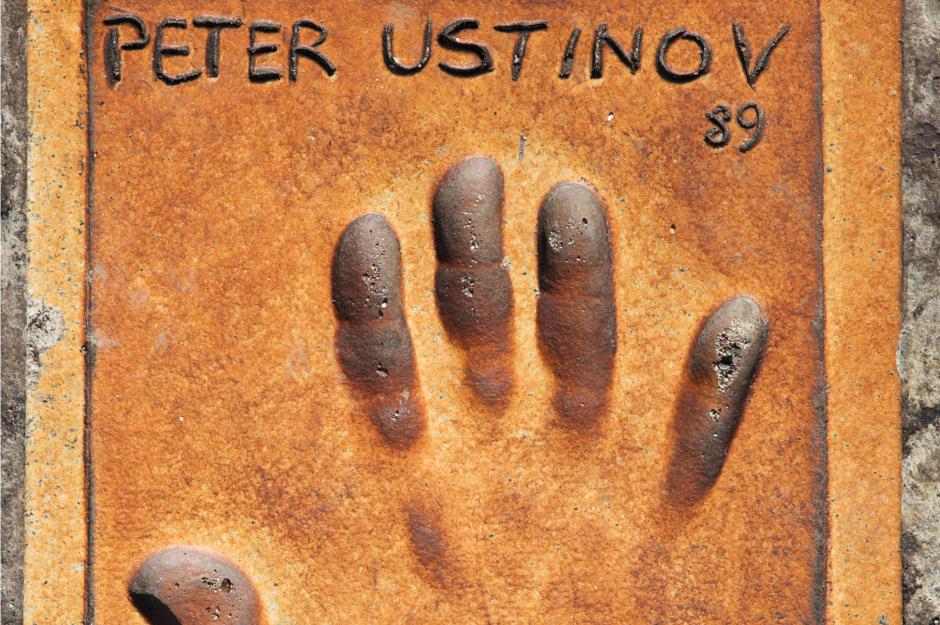
The estate of the actor Sir Peter Ustinov was dragged through the courts for years, resulting in most of his multimillion-dollar assets being swallowed up by legal fees. He wrote his will in pencil 36 years before he died in 2004 aged 82. This led a court to rule he had died intestate or without a will. He was married three times and had four children, but the bulk of his wealth went to his widow Lady Helene Ustinov. His children claimed that trusts he allegedly set up should have gone to them, but no one could successfully prove their existence. The final outcome is unknown, but his son Igor claimed in 2013 that pursuing the case had left him virtually bankrupt.
James Brown
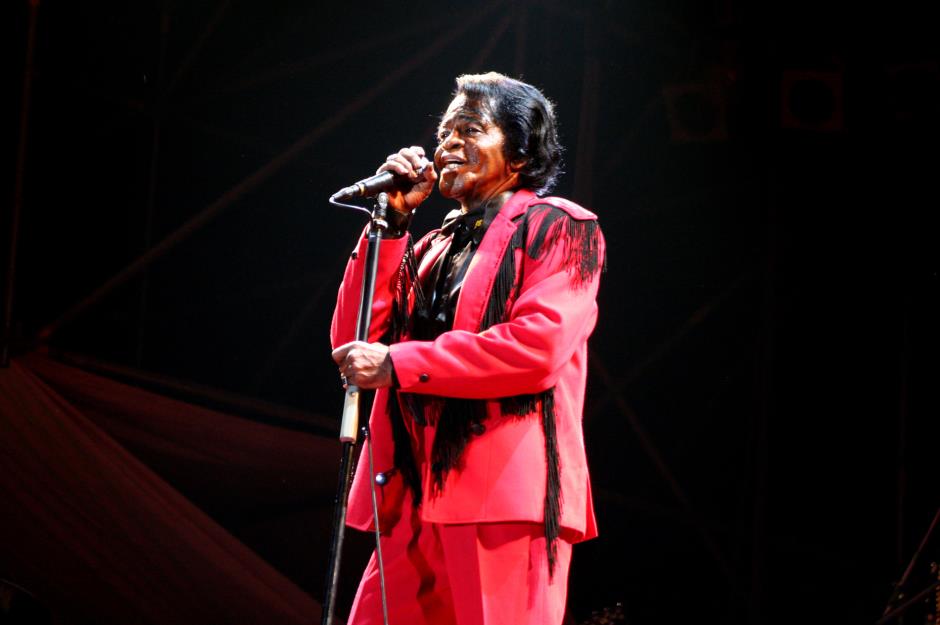
Known as the Godfather of Soul Music, singer James Brown died in 2006 from heart failure, aged 73. Estimates of exactly how much he left vary wildly, and it's thought to be anything from $5 million (£2.8m) to $100 million (£56.9m). His will is said to have specified that roughly $4 million (£2.3m) should go towards his children and grandchildren, with the rest going towards the I Feel Good Trust, which he set up to give scholarships to poor children in South Carolina. His wife Tommie Rae Hynie and children contested the will and the battle went on for 14 years. In June last year, it was reported that the five Supreme Court justices working on the case had ruled that Ms. Hynie was not legally married to James Brown because she had not annulled a previous marriage, with legal experts claiming this weakens her claim on the estate. In court the judge described the battles over the inheritance as “bothersome”, as “the will was quite clear” in stating that Brown wanted his fortune to go to charity.
Nina Wang
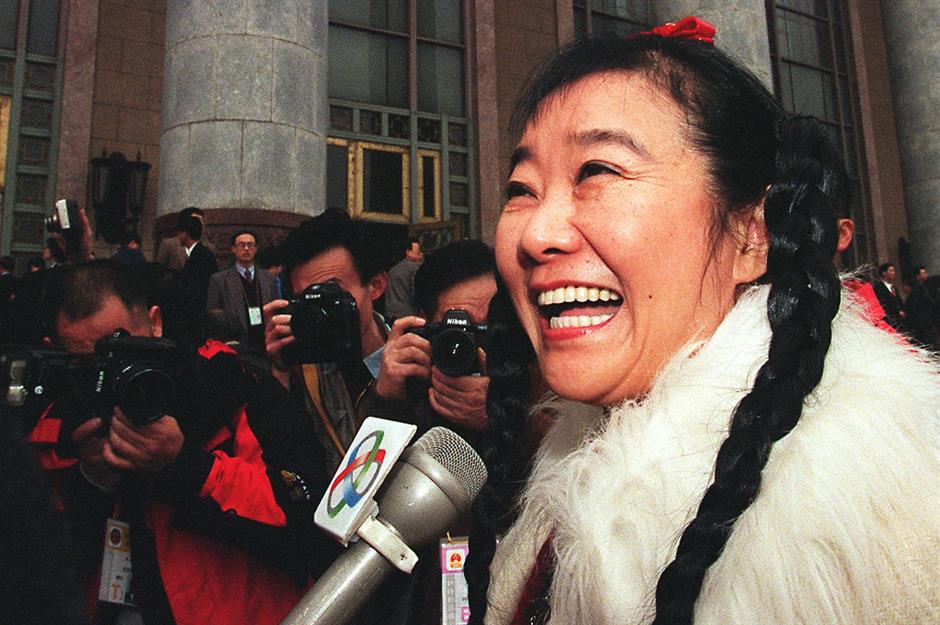
Once China’s richest woman, Nina Wang died in 2007 and left behind a $4 billion (£2bn) estate. Her lover, Feng Shui master Peter Chan, claimed her inheritance, but was left with nothing when the court ruled it would all go to charity. It later transpired that Chan had forged her will, which resulted in him being sentenced to 12 years in jail. Chan is set to be released from prison in July, and allegedly plans to publish a book about the pair’s relationship.
Sponsored Content
Ike Turner
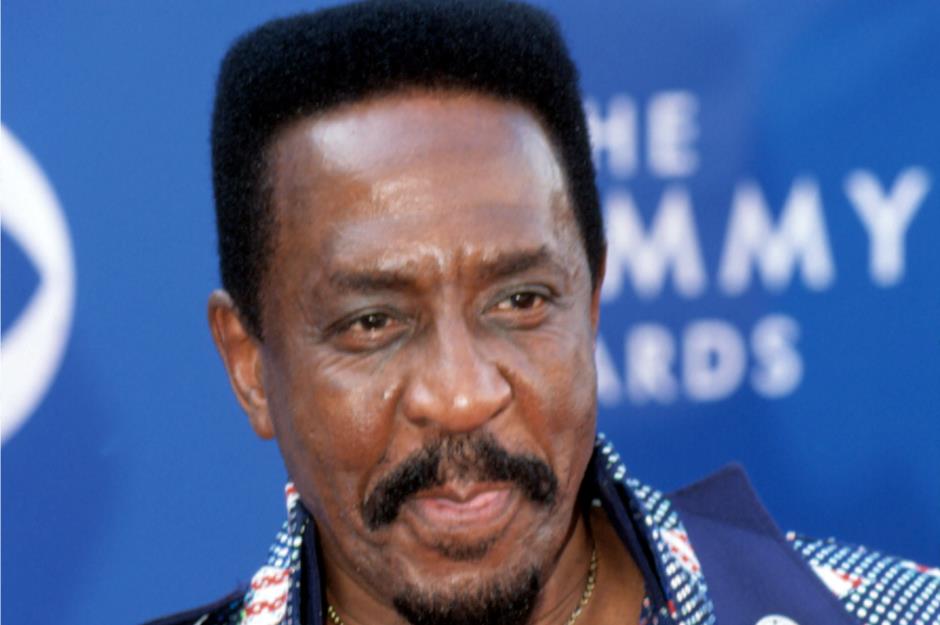
When rhythm and blues singer Ike Turner died from a drug overdose in 2007, there were questions over whether he had left a valid will. He had very little in terms of assets, but the value in his estate lay in royalties and the copyright to his songs. His children and ex-wives all became embroiled in a legal battle as to who had a claim on his estate. Handwritten wills were produced, but their validity was questioned. The judge ruled in favour of Ike's children in October 2009.
Leona Helmsley
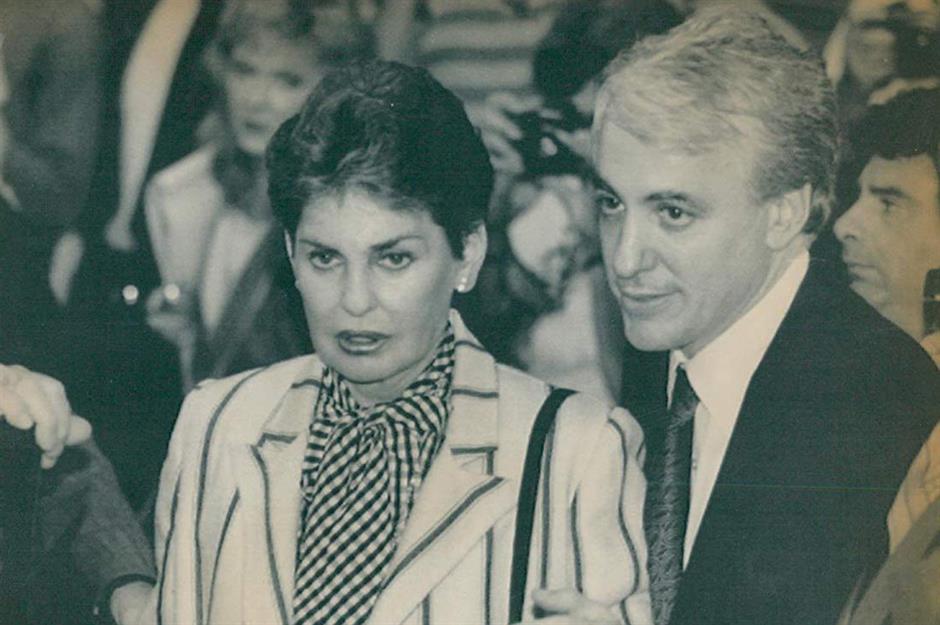
With an estimated fortune of $4.8 billion (£2.4bn) when she passed away in 2007, infamous real estate mogul Leona Helmsley requested that the majority of her money be given to charity, as well as small amounts to various relatives. However, the biggest shock of all was that Helmsley left $12 million (£6m) to her dog, Trouble, but only left $5 million (£2.5m) each to two grandsons, David and Walter, and completely cut her other two grandchildren out. A judge decreased the dog's fortune to $2 million (£1m), giving the remainder to charity. The other two disinherited grandchildren eventually received $3 million (£1.5m) each from the estate.
Now read: The super-rich with a reputation for penny-pinching
H.L. Hunt
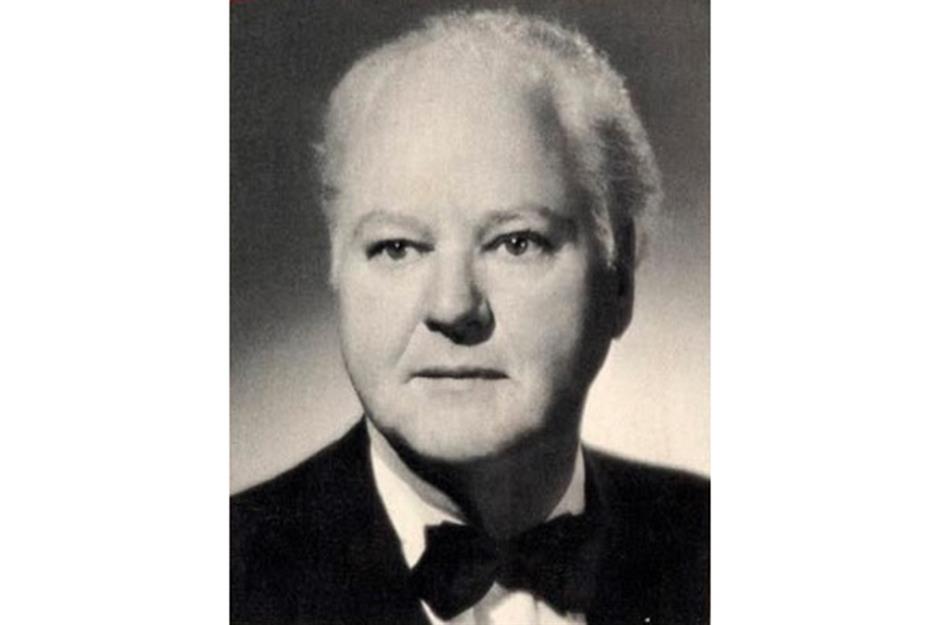
Oil tycoon H.L. Hunt was at one point one of the richest men in the US and set up a number of trusts to provide for his family. In 2008, H.L.'s great-grandchild, Albert G. Hill III, sued several family members, claiming they were mismanaging his grandmother and great uncle's trust funds, along with Hunt Petroleum. When H.L.'s nephew Tom Hunt sold the company, the dispute came to a head and Albert was disinherited. He was found guilty of mortgage fraud in 2011 after he lied about his income to obtain a loan.
Sponsored Content
Steve McNair
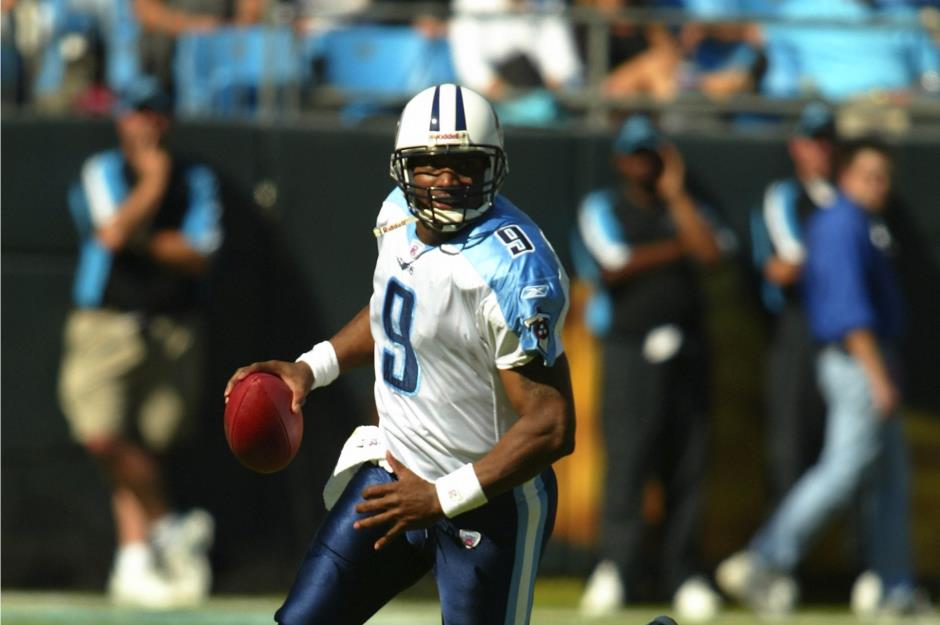
Murdered by his mistress in 2009, NFL quarterback Steve McNair left no will. This left his financial affairs in a mess. His estate, reported to be worth around $19.6 million (£13.8m) at the time of his death, was subsequently frozen until the beneficiaries of his fortune could be determined. Two years later a judge ruled that his wife and their two sons would receive the bulk of his wealth and his two sons from previous relationships were also named as benefactors. His mother was reportedly evicted from a home he had bought for her by his widow, who also sued for the return of items she claimed had been taken from the property.
Gary Coleman
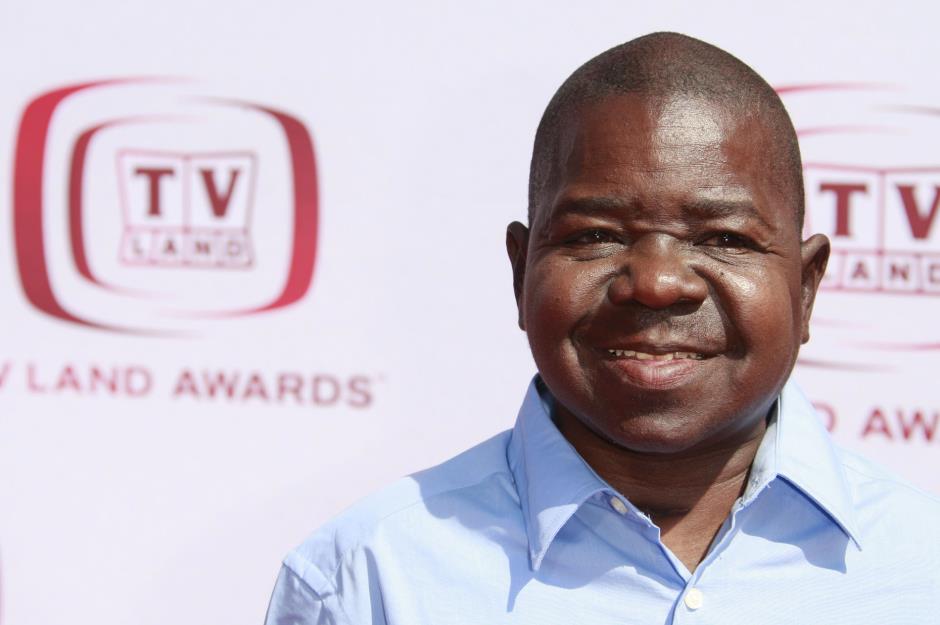
Actor Gary Coleman, best known for his role in American sitcom Diff'rent Strokes, died in 2010 after a fall. His ex-wife Shannon Price, who continued to live with him after their divorce, contested his will in which his friend and the former head of his company Anna Gray was named as executor and beneficiary. However, the judge ruled that Price's relationship with Coleman was not a happy one and she lost the case. Gray was confirmed as the main beneficiary of his very small estate.
Nelson Mandela
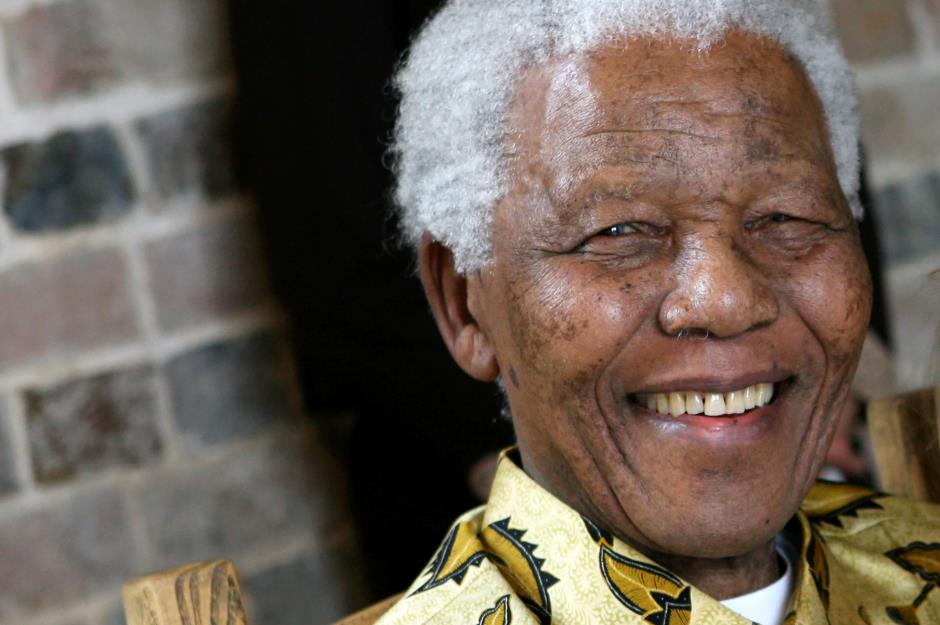
Nelson Mandela, anti-apartheid campaigner and former President of South Africa, died in 2013, leaving the bulk of his reported $4.3 million (£2.9m) estate to his wife Graca Machel, his children, grandchildren and great-grandchildren. His ex-wife Winnie Madikizela-Mandela, who he was with for 38 years during the struggle of racial apartheid, went to court, claiming that his country home was rightfully hers as it was bought while they were still married. It went all the way to the Supreme Court of Appeal, but she lost the case in January 2018 and died shortly after, in April 2018.
Sponsored Content
Robin Williams
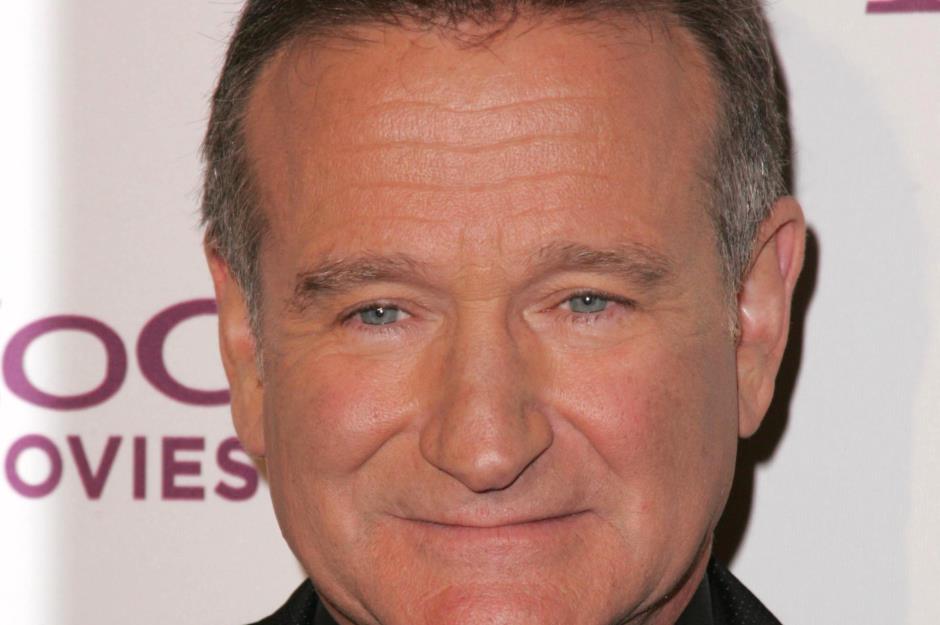
When the actor Robin Williams died in 2014 from an apparent suicide following a struggle with Lewy Body Disease he left behind an estate estimated to be worth up to $100 million (£59.8m). Williams' third wife, Susan Schneider Williams, ended up in a legal battle with his children from previous marriages over the distribution of his assets. Susan asked a court to rule that the contents of the home she shared with him should be excluded from the items left to the children. They settled out of court. It was reported that Susan was able to keep possessions which held symbolic value, including gifts, clothing, and a bike, while his children ended up with pretty much everything else.
Now read: The stars who changed careers
Maya Angelou
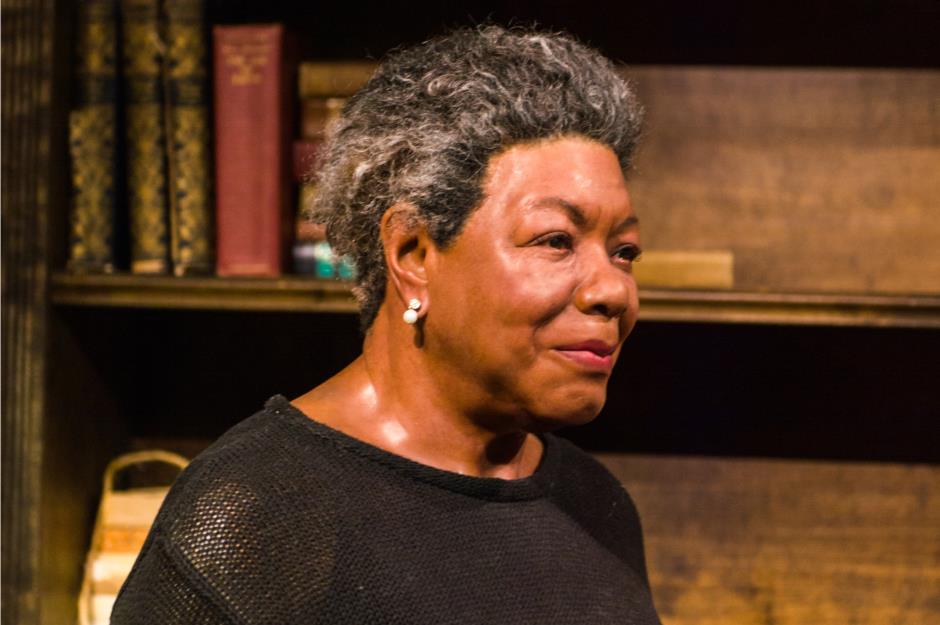
Author, poet, actor and civil rights activist Maya Angelou died in 2014. In her will she specified that her assets and intellectual property should be put into a foundation called the Caged Bird Legacy, of which 75% control was given to her son Guy Bailey Johnson and the remainder to her grandson Colin Ashanti Murphy-Johnson. Her son ended up suing his own son, claiming that he hadn't given him his fair share of the legacy and had bankrupted the foundation. The case continues.
BB King
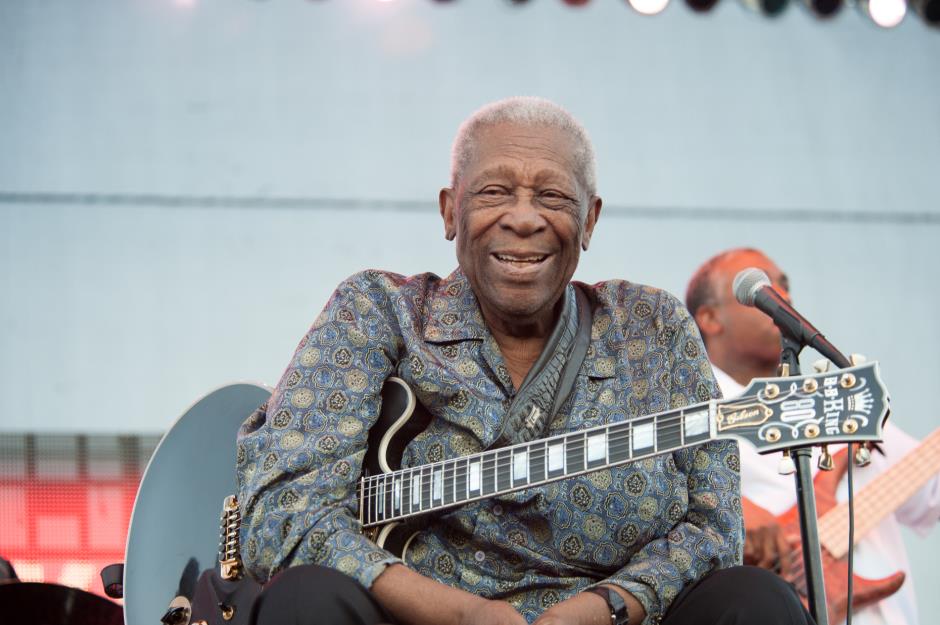
Legendary blues musician BB King died from heart failure aged 89 in 2015. His estate, which has been estimated to be worth between $5 million (£3.2m) and $30 million (£19.4m), was handed to his longtime business manager LaVerne Toney, but it's since been fought over by his 11 surviving children, all with different mothers. None of the children were said to be named as beneficiaries in King's most recent will and they claim a previous trust created in 2007, which had benefited each of them, should be reverted to instead.
Sponsored Content
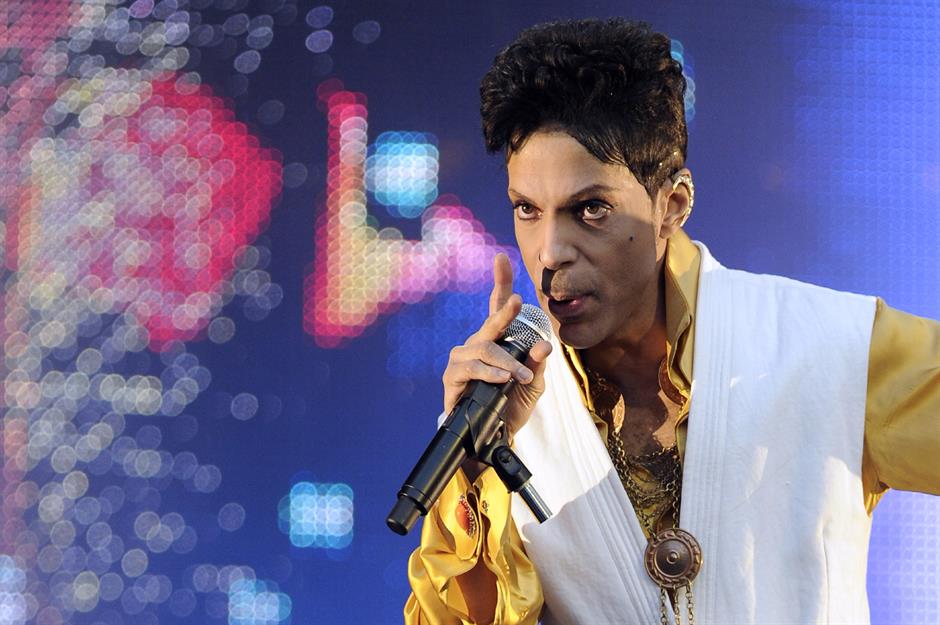
Prince
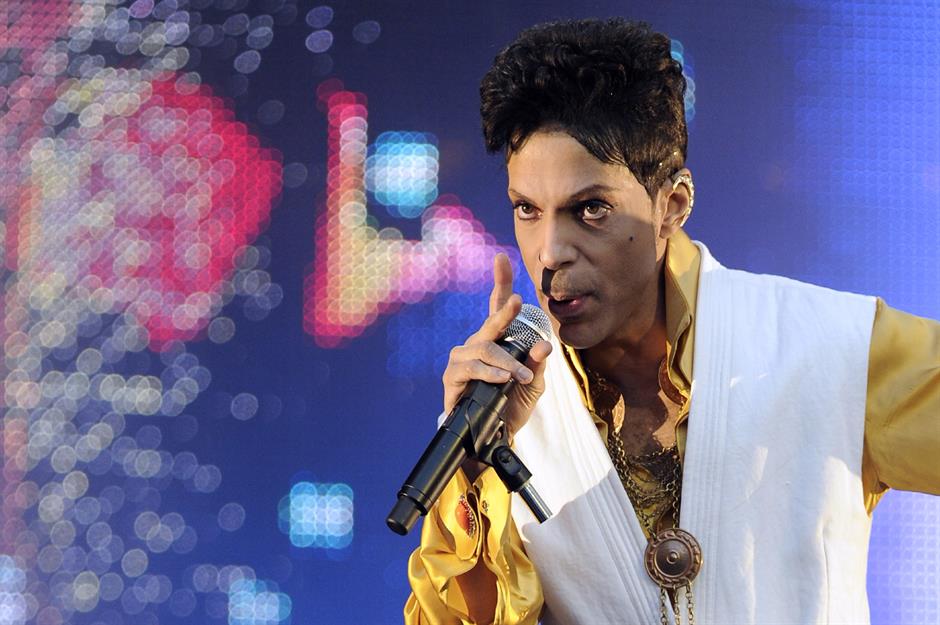
When Prince died in 2016 from an accidental fentanyl overdose, he left an estimated $300 million (£214.7m) estate and no will. A judge ruled that his six siblings should inherit his fortune. However, in the wake of his death, dozens of people are said to have come forward claiming to be his wife, children and other relatives, seeking a portion of his estate. The claims are still pending and his siblings say they are yet to receive any money from his estate. Matters have likely been complicated further by the recent re-evaluation of the value of Prince's estate. The trust that manages Prince’s assets value them at $82.3 million (£59.1m), while the IRS estimates the estate is worth $163.2 million (£117m) and claims that it's owed $32.4 million (£23.3m) in federal taxes. This too remains unresolved.
The Rineharts
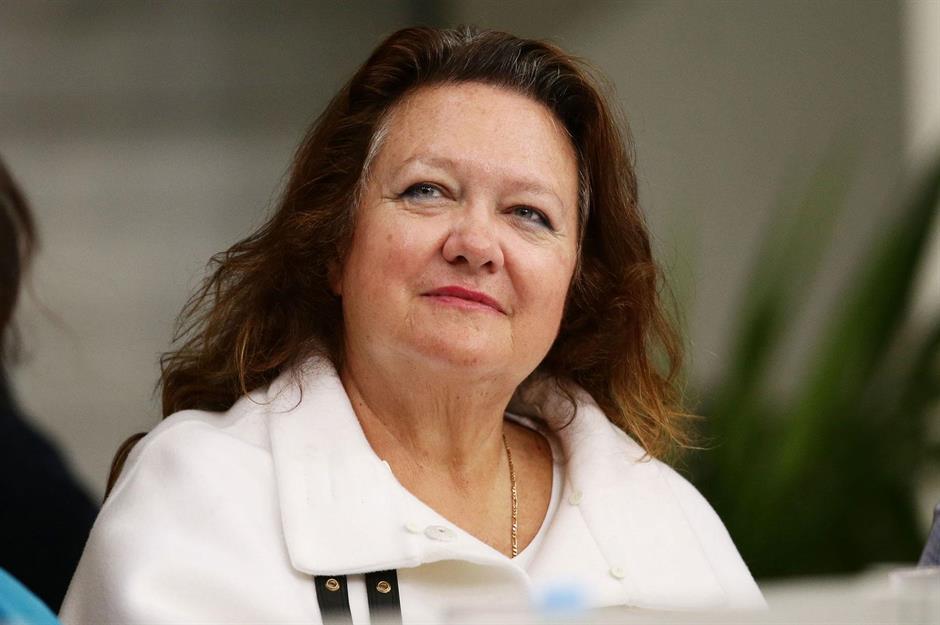
Australian mining mogul Gina Rinehart (pictured) is alive and well and worth a whopping $24.2 billion (£17.4bn) at the time of writing, but that hasn’t stopped her from trying to cut her children out of a trust fund established by their father, the late Frank Rinehart. Supposedly, each child would receive a share of the $5 billion (£3.6bn) fund when they turned 25. But just before her eldest daughter Bianca’s birthday, Rinehart prevented her from accessing it. A lengthy legal battle ensued, and even though Bianca was finally made trustee in 2015, which saw Rinehart lose control of the trust, Bianca has since sued her mother for not giving her enough of the money. Bianca has also taken aim at younger sister Ginia, who Bianca (through her lawyers) has suggested "might be doing Mrs Rinehart's bidding". Ginia was not involved with her siblings in the original legal battle against her mother, which she described at the time as "motivated entirely by greed". Bianca has also questioned whether her other sister Hope is also in league with their mother after the pair reconciled.
Now read: These people inherited huge fortunes, and then blew the lot