Chinese companies expanding overseas
First, China – now, the world?
With the nation's economy in the doldrums and government crackdowns battering sectors including tech, it's little surprise that Chinese firms are increasingly eyeing foreign markets in a bid to boost business.
From giants in gaming, app development, and cloud-computing to e-commerce platforms, retail chains, and electric cars, a wide range of the country's most high-profile brands are currently going all out to grow their international presence.
Click or scroll through our gallery to discover 15 major businesses that have been spreading their wings into overseas markets. All dollar amounts in US dollars, unless otherwise stated.
ByteDance
ByteDance is currently the world's most valuable startup thanks to the phenomenal success of TikTok, its flagship short-form video app.
The Gen Z favourite continues to enjoy explosive global growth and is even taking the bold move of expanding into Russia.
Other ByteDance products and subsidiaries making waves overseas include its music-streaming app Resso (which is the company's answer to Spotify), shopping platform Fanno, which recently launched in Europe, and VR startup Pico, which is currently preparing for an ambitious US expansion.
ByteDance is also behind a number of popular video games, too.
ByteDance
The company's meteoric rise is all the more remarkable given that its journey has been far from smooth sailing. As well as having to deal with increased scrutiny at home, the Beijing-based firm has been accused by overseas parties of harvesting personal data for the Chinese state.
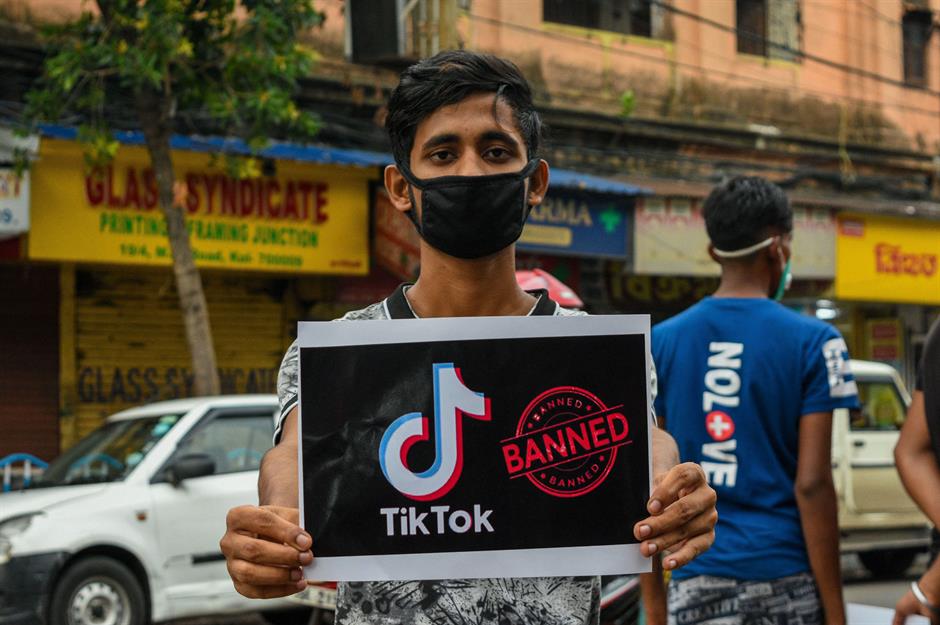
As a result, TikTok is under investigation in the US and narrowly escaped being banned from the Apple and Google app stores. In the past, it's also been outlawed in several countries, including India and Indonesia.
Adding to its woes are reports of exhausted staff, with The Wall Street Journal reporting earlier in 2022 that TikTok employees have complained about working 85-hour weeks. The social platform has also struggled to retain foreign talent.
Sponsored Content
Tencent
A punishing state crackdown on China's gaming industry has hit sector leader Tencent hard.
With the company share price tanking over the last year and domestic profits dwindling, the tech titan has been forced to try its luck overseas.
Interestingly, Chinese gaming firms have managed to escape the scrutiny poured on telecoms, social media, and other tech-related businesses by foreign governments, making international expansion in this industry a tempting prospect.
Tencent
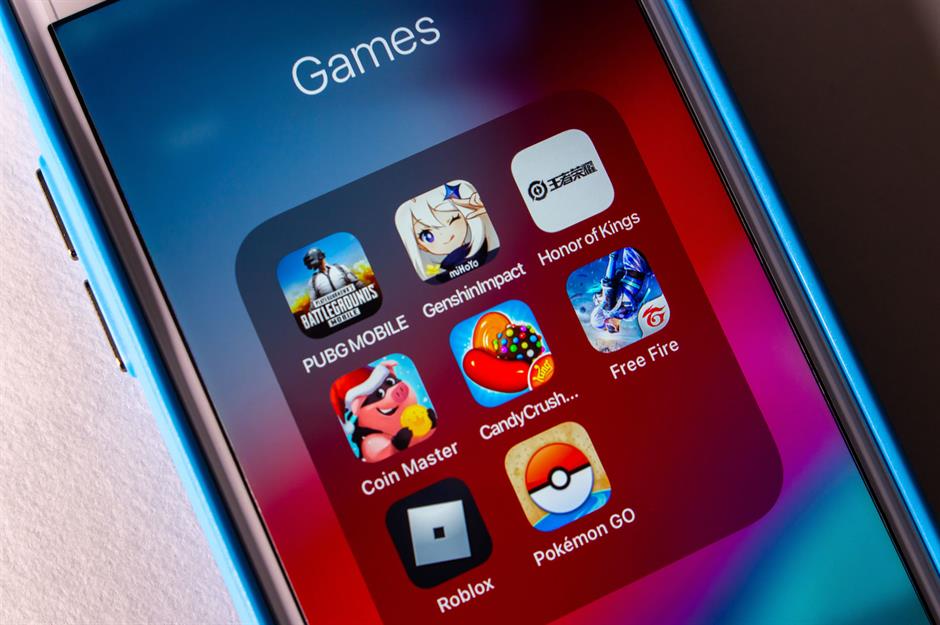
Tencent is rolling out an international version of its most popular mobile game, Honor of Kings, to build on the success of global hit PUBG Mobile. It's also been busy mopping up foreign game studios, as well as expanding its cloud-computing business and streaming service overseas.
However, it's not been as easy as it might sound and Tencent's international expansion has been far from problem-free. Its WeChat app is banned in India and was threatened with a ban in the US, while the organisation's intense work culture hasn't gone down well with foreign employees.
NetEase

Fellow gaming giant NetEase is taking a different approach.
In contrast to Tencent, whose international expansion strategy mainly involves buying up foreign game developers, NetEase has opted to purchase modest stakes in competing companies and open its own studios overseas.
It already has two studios in Japan and launched Jackalope Games, its first US offshoot, in May.
Sponsored Content
NetEase
In a bid to bolster its global strategy, NetEase is focusing on developing games that are geared to global audiences, including Marvel Super War, Harry Potter: Magic Awakened, and its two Lord of the Rings titles.
The Chinese government recently introduced new rules which state that under-18s can play video games for no more than three hours a week. This, combined with limited new game approvals, have encouraged NetEase to focus on opportunities that lie overseas. It's hoping to generate half of its future revenue from international markets, where no such restrictions apply. Its foreign revenue is currently a mere 10%.
Alibaba Group
Likewise, Alibaba has been at the sharp end of Beijing's harsh tech crackdown, which has wiped a staggering $1.5 trillion (£1.3trn) off the value of the domestic sector. The economic slump and growing competition aren't helping matters.
With so much trouble in China, the e-commerce and cloud-computing colossus has been focused on beefing up its international expansion plans.
Alibaba Group
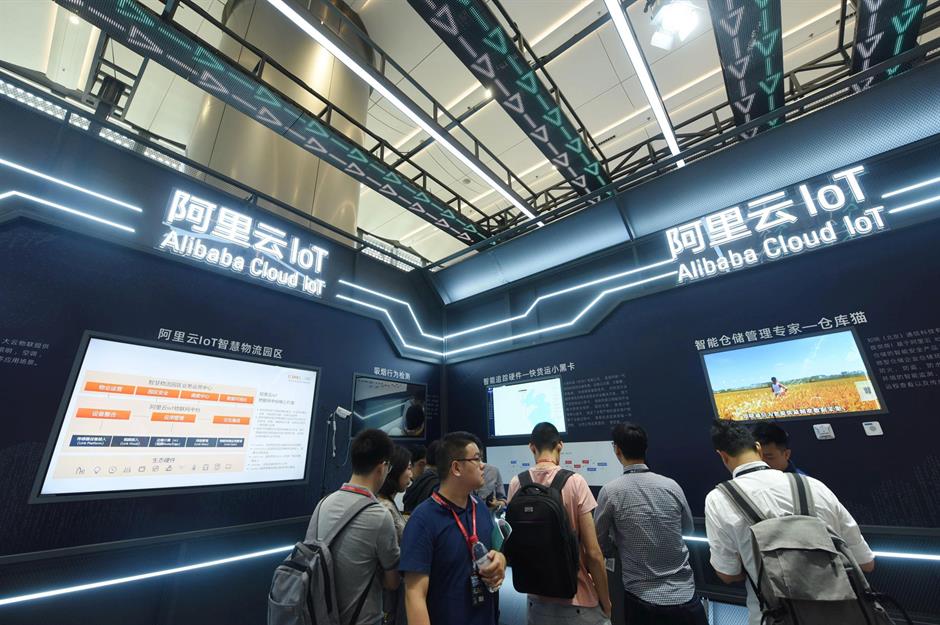
Alibaba is going all out to develop its global business, with South and Southeast Asia as well as Eastern Europe all shaping up to be major growth markets.
The tech company's cloud-computing arm is also going increasingly global and recently launched in Europe. In addition to this, its financial services affiliate Ant Group has just opened a digital wholesale bank in Singapore.
Sponsored Content
JD.com
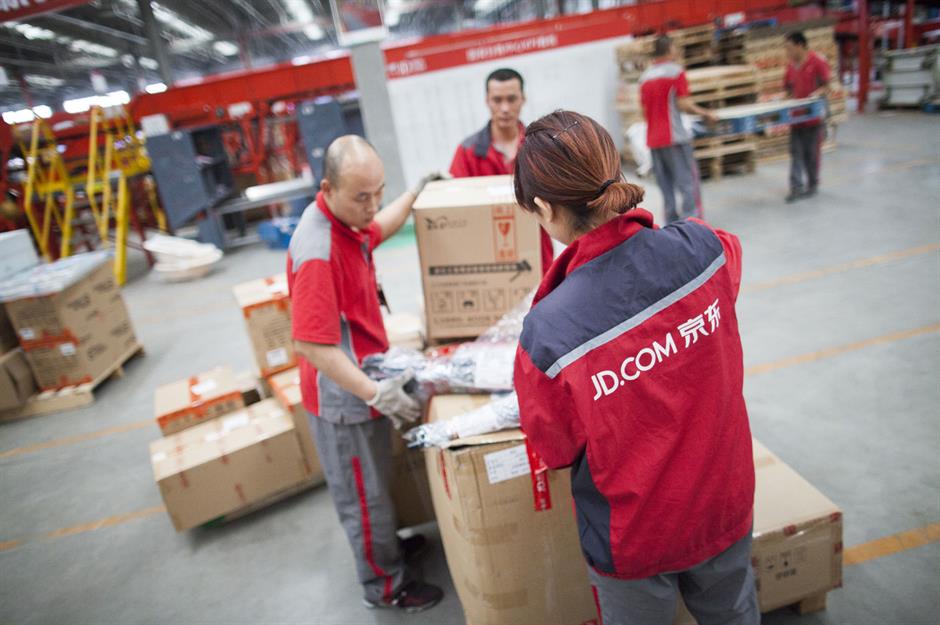
Alibaba's arch-rival JD.com has mostly largely the wrath of China's regulation watchdogs, although it's still facing a period of major change following the recent departure of its founder, Richard Liu.
In addition to Liu's resignation, the lacklustre Chinese economy, which has been at the mercy of the government's zero-COVID policy, has taken its toll on the e-commerce group.
JD.com
With revenue growth during the first quarter of 2022 its slowest on record, JD.com is pushing big-time into foreign markets and has its focus set on Amazon's customer base.
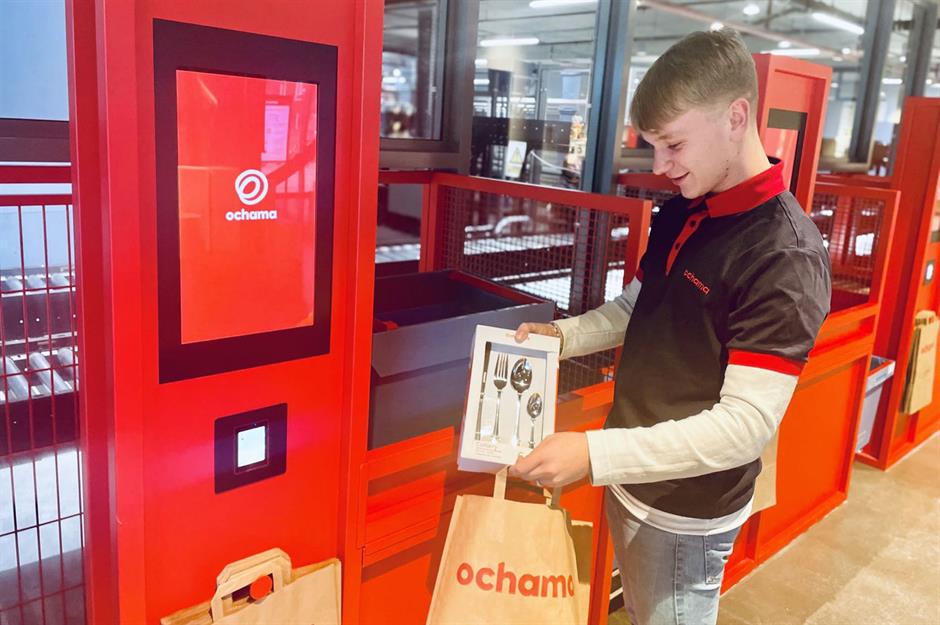
Europe is where much of its efforts are concentrated, with the online retailer opening warehouses in the UK and Germany last year. It's since opened two automation-powered Ochama stores in the Netherlands, plus a distribution centre nearby.
To facilitate its wide-ranging global growth objectives, JD.com secured $2.5 billion (£2.1bn) funding earlier this year to expand its logistics subsidiary.
Huawei
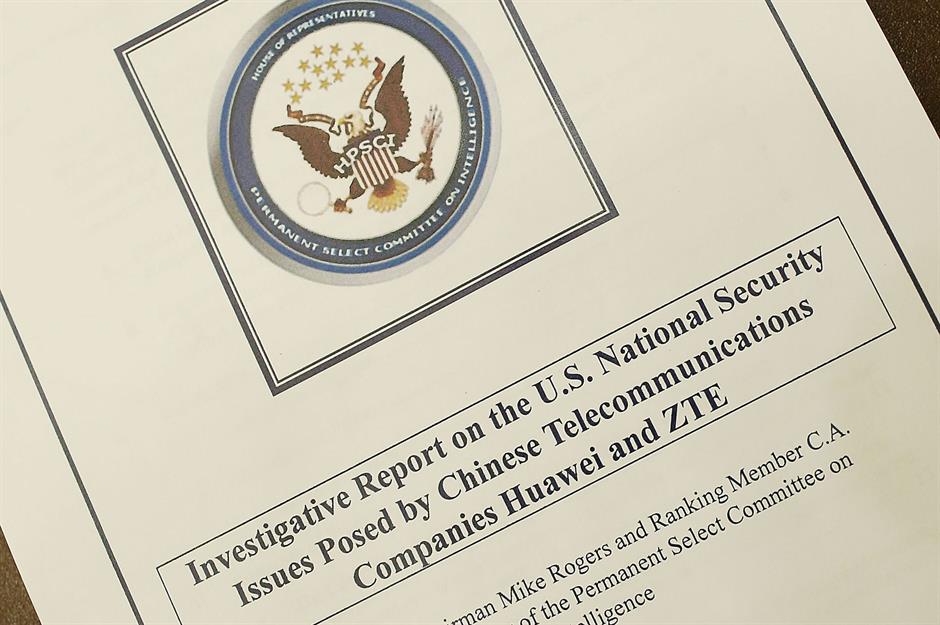
Huawei's international expansion has been anything but easy. Due to its cosy relationship with the Chinese government, the telecoms and consumer electronics corporation has been judged a security risk by the US.
As a result, sanctions have been levied on Huawei, preventing it from selling smartphones in America as well as in a myriad of other nations, including Canada, India, and the UK. It's also been banned from developing and supplying its 5G networks in some countries.
Sponsored Content
Huawei
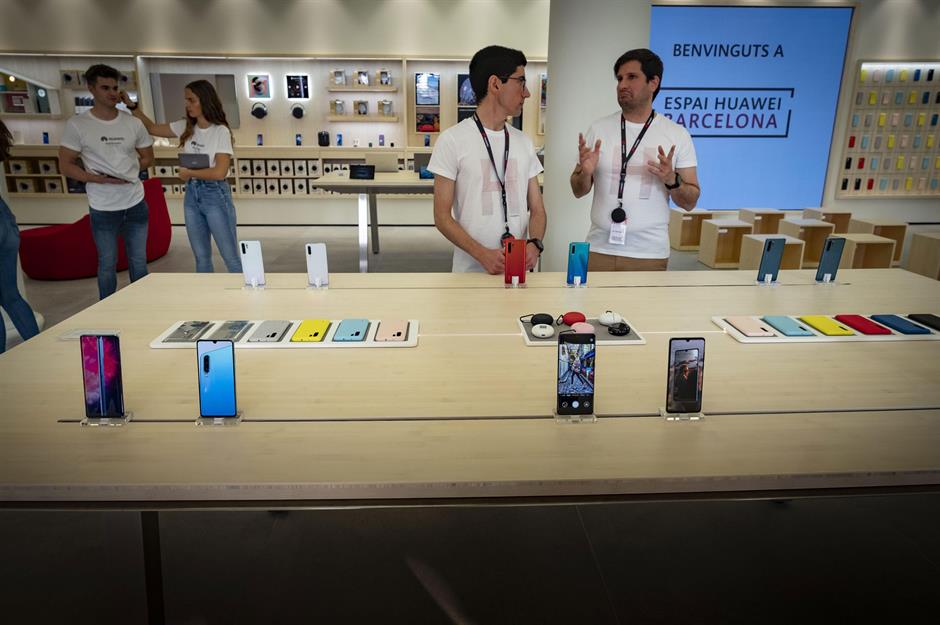
In spite of these obstacles, Huawei still remains a force to be reckoned with in the global 5G arena, while its smartphones remain popular worldwide.
The company is pumping billions into research and development (R&D) in order to keep apace with its Western counterparts, and aims to extend its global reach by expanding into emerging markets in Africa and the Middle East.
Xiaomi
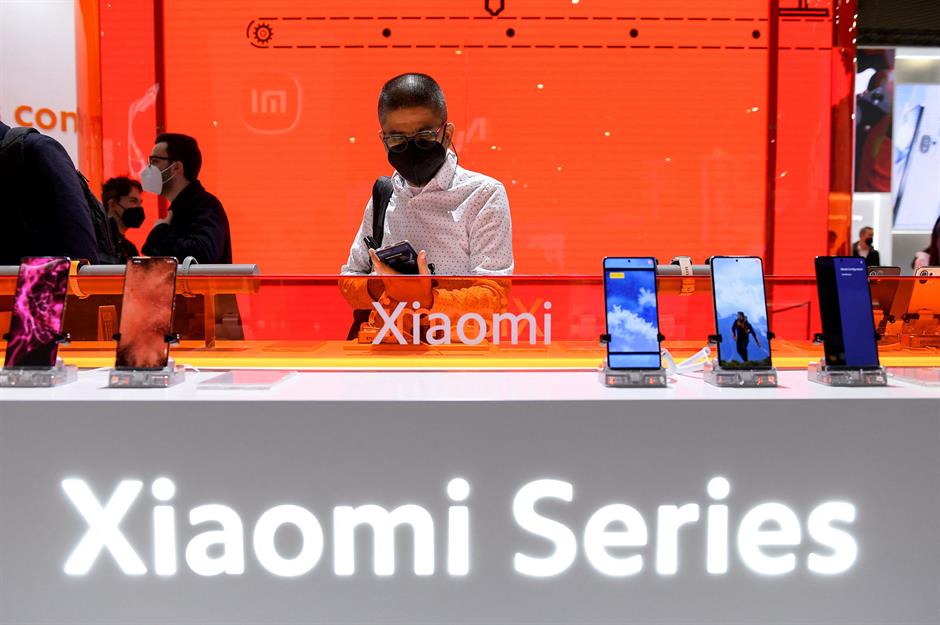
Competing smartphone maker Xiaomi has benefited from Huawei's US ban and significantly increased its global market share as a result.
The flourishing tech firm is now the world's third best-selling smartphone brand after Samsung and Apple, and has become India's market leader. It did briefly enjoy second place in the global rankings, and was also Europe's number one during the second quarter of 2021.
Xiaomi
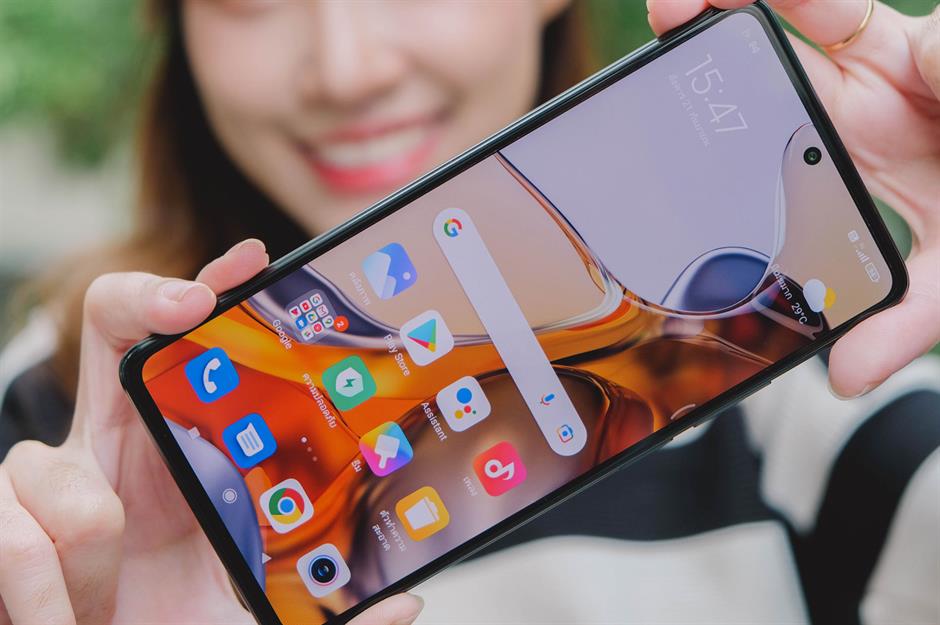
Amid the tech crackdown and sluggish Chinese economy, Xiaomi is keen to further expand its global market share. One way it intends to do this is by developing its premium line-up with a $15.7 billion (£13.1bn) R&D investment over the next five years.
The company's product range has long been budget-focused, so a move into the higher end of the sector will also help Xiaomi steal customers away from Samsung and Apple.
Sponsored Content
OPPO
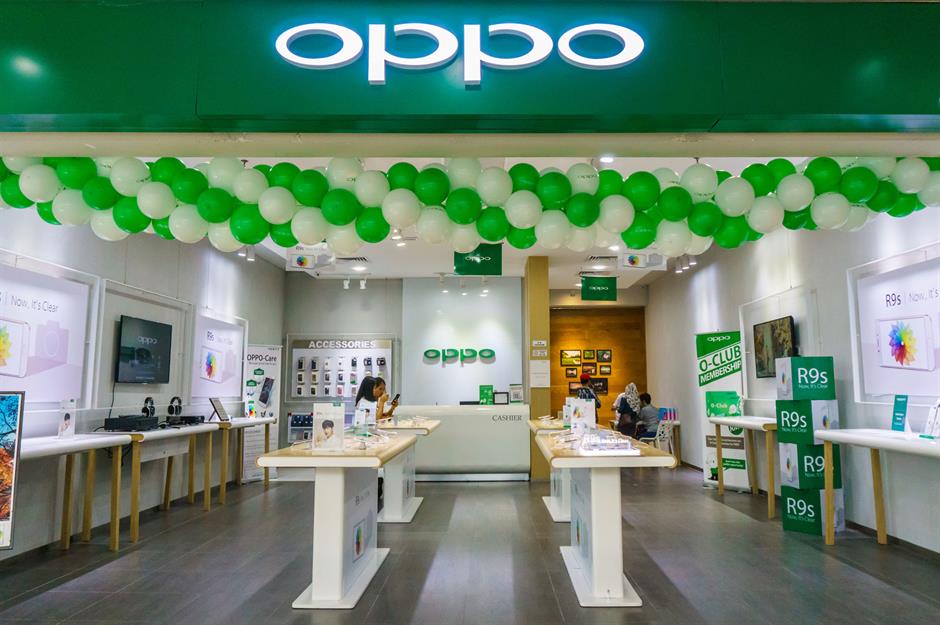
Another Chinese smartphone maker that's happily filling the void in countries hostile to Huawei is OPPO.
The Guangdong-based business has been making inroads in Europe and Australia, having already established a strong presence in India and Southeast Asia, although it's yet to conquer America.
In any case, the tech firm has risen to become the world's fourth most popular smartphone brand, and has almost 10% of the global market.
OPPO
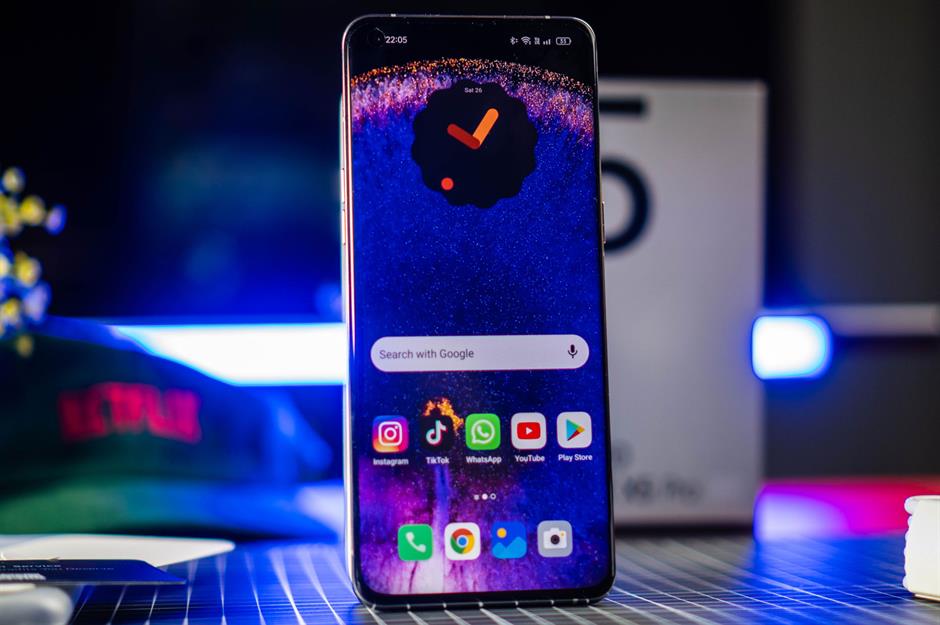
Much like Xiaomi, OPPO, which is perhaps most renowned for its budget-friendly devices, is luxing up its product line in a bid to take on Samsung and Apple.
In February, the firm debuted its industry-leading premium Find X5 Series to critical acclaim, having first invested billions in R&D. The company is also poised to unveil its swish Pad Air tablet in India this year, with a European launch coming soon too.
Hisense
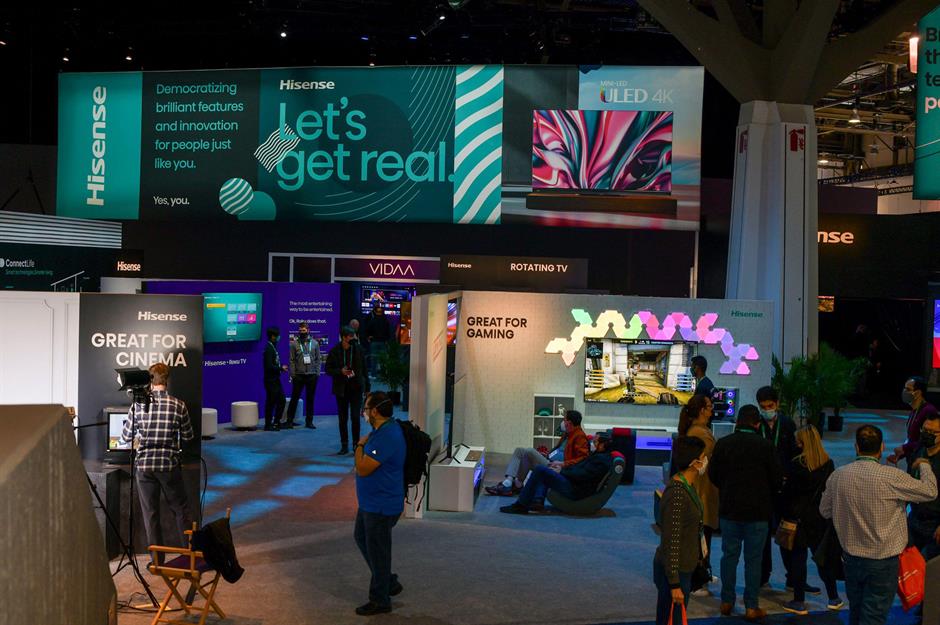
Consumer electronics and white goods maker Hisense is on a mission to amplify its international presence.
In 2020, the company pledged to treble overseas sales from $7.9 billion (£6.6m) to $23.5 billion (£19.6bn) by 2025. Its well on its way to achieving this, having entered new countries and strengthened its position in the countries it's already operating in, all with an emphasis on adapting products to suit different markets.
Sponsored Content
Hisense
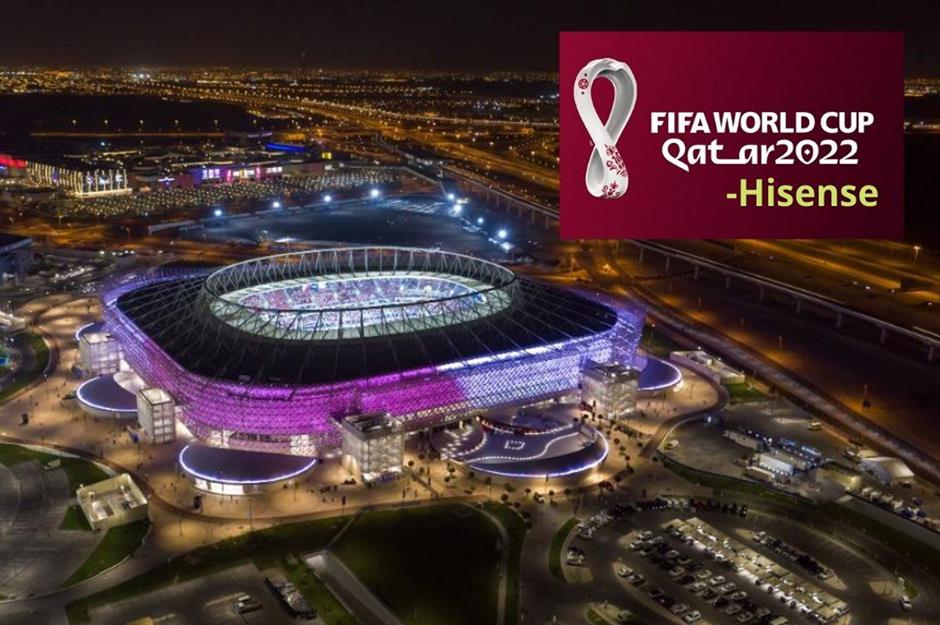
Hisense now has multiple branches, R&D centres, and production plants all around the globe. It's also seeking to further grow brand awareness in the West by engaging in sports sponsorship – for example, the company is a major sponsor of the 2022 FIFA World Cup.
Hisense is best known for its TVs, and has been China's leading manufacturer since 2004 as well as a leader in laser TV technology.
However, the firm actually makes everything from AC units to washing machines. It also has a strong business-to-business operation to boot, which it's working on expanding internationally.
Midea Group
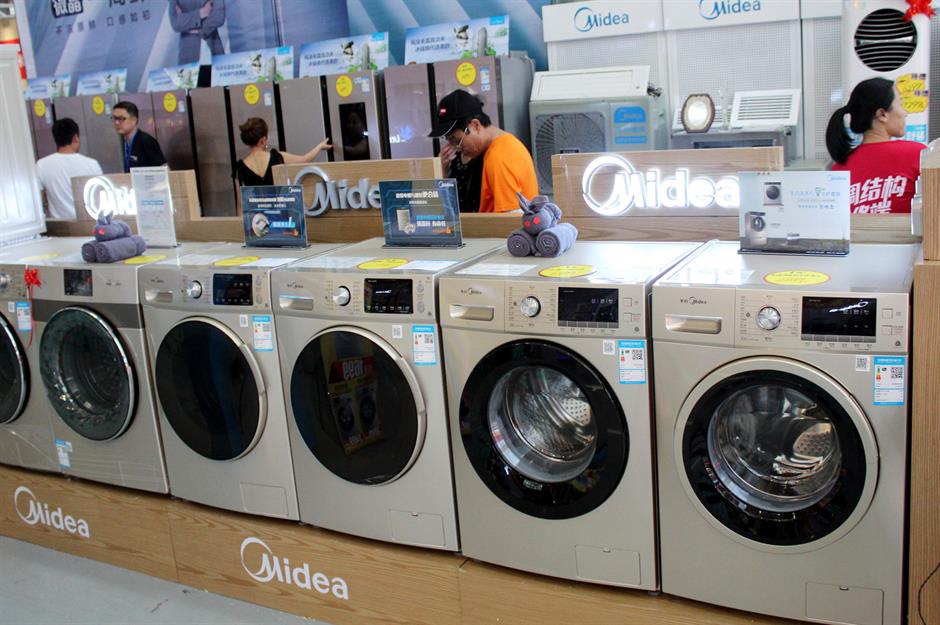
Midea Group, China's number one producer of home appliances, is also in the throes of a formidable foreign growth plan.
Midea has high hopes of doubling its overseas e-commerce sales this year, as well as bagging the company a 10% global share and 20% of the US home accessories market by 2025.
This would translate to a bumper $40 billion (£33.4bn) in foreign revenue.
Midea Group
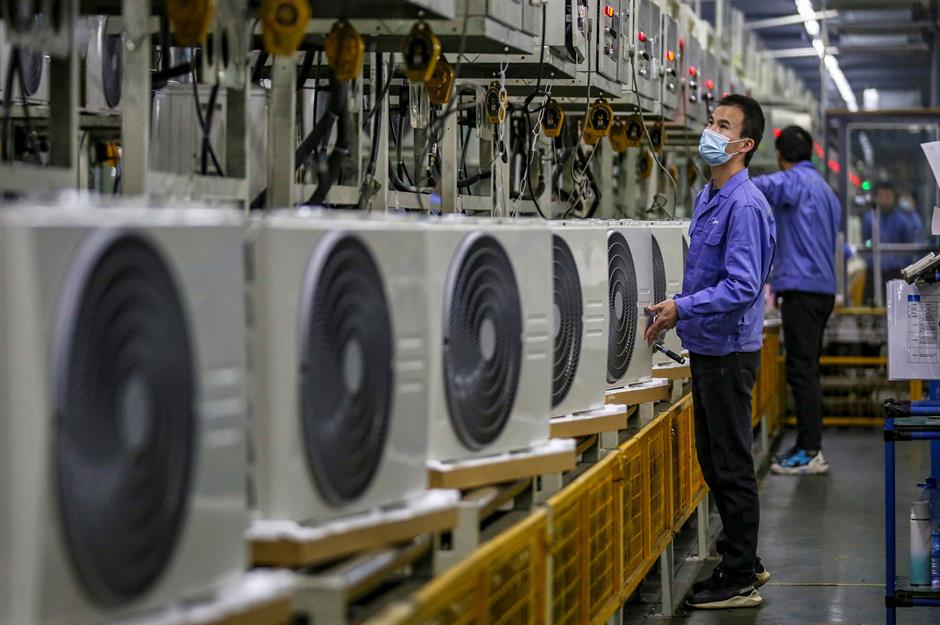
Boosting overseas production output is one of the group's primary objectives.
On top of opening plants in places as far flung as Egypt and Brazil, the Foshan-based company has been scouting locations in North America for its state-of-the-art – and mostly automated – production facilities.
It's also reportedly mulling over establishing manufacturing hubs in Eastern Europe.
Sponsored Content
Shein

Arguably the TikTok of e-commerce, fast-fashion retailer Shein has won over Gen Z consumers with its pioneering use of social media influencers to promote its wares.
It appeals directly to its target demographic's obsession with "shopping haul" culture and can respond rapidly to micro-trends as they emerge thanks to its ability to produce new styles of clothes at blistering speeds. It reportedly manufactures as many as 6,000 new styles a day.
Shein can do this as it works directly with factories in China, ordering small batches to test demand, then increasing volumes only if the line sells. This cuts down on waste and costs, and helps to keep prices rock-bottom.
Shein
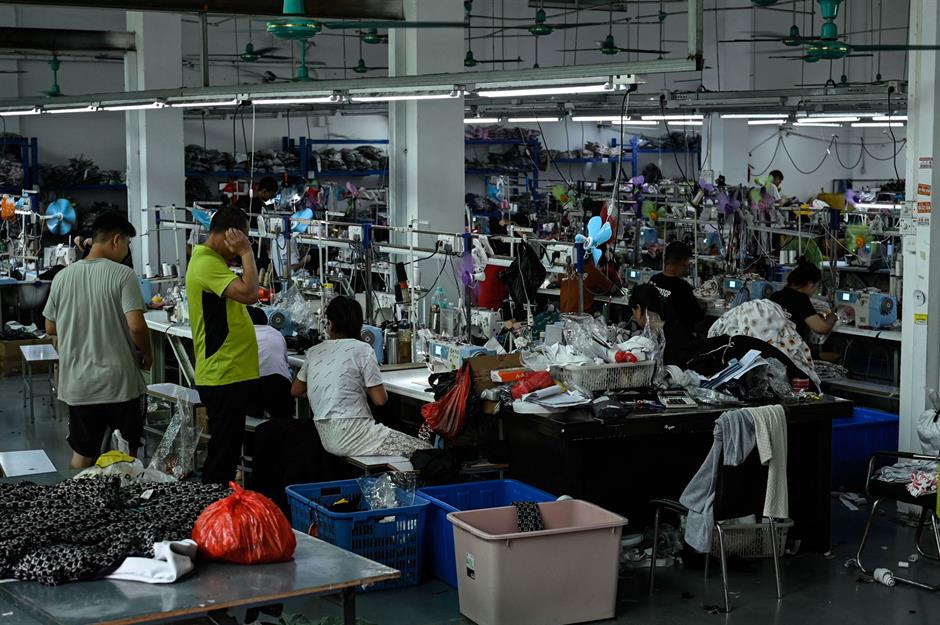
Now shipping to 220 countries and counting, the online retailer has conquered the fast-fashion world and is worth more than stalwarts Zara and H&M combined.
Despite its focus on keeping waste at a minimum, however, Shein has been slammed for unsustainability due to the throwaway nature of its clothing. It's also received criticism due to the poor working conditions in supplier factories.
Going forward, these factors could significantly dent its popularity among its ethically-minded target demographic.
Miniso
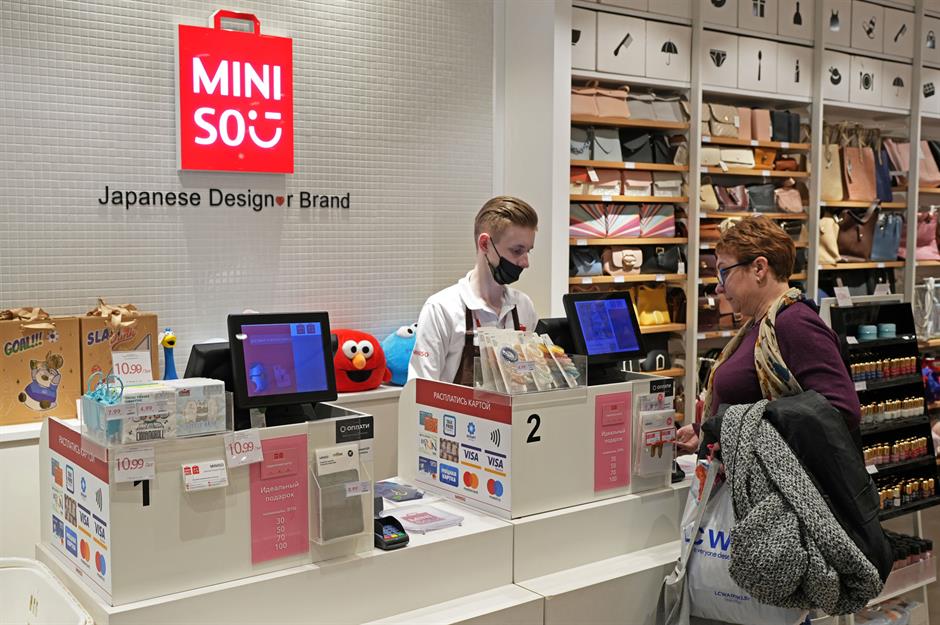
Dubbed "the Chinese Muji", lifestyle retailer Miniso operates under the slogan "life is for fun".
The Guangdong-born business is certainly making things that little bit more enjoyable for its Gen Z and millennial-heavy customer base thanks to its super-affordable, on-the-pulse product range.
Last year, the Japanese-inspired chain opened a string of stores across Europe, and is smashing it in the US with its $10 N’ Under concept stores.
Sponsored Content
Miniso
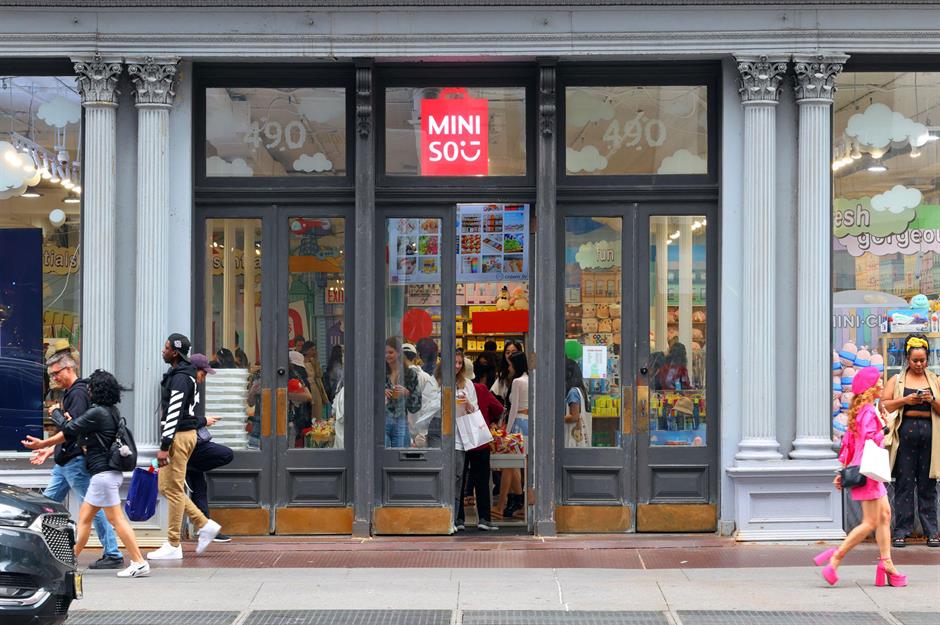
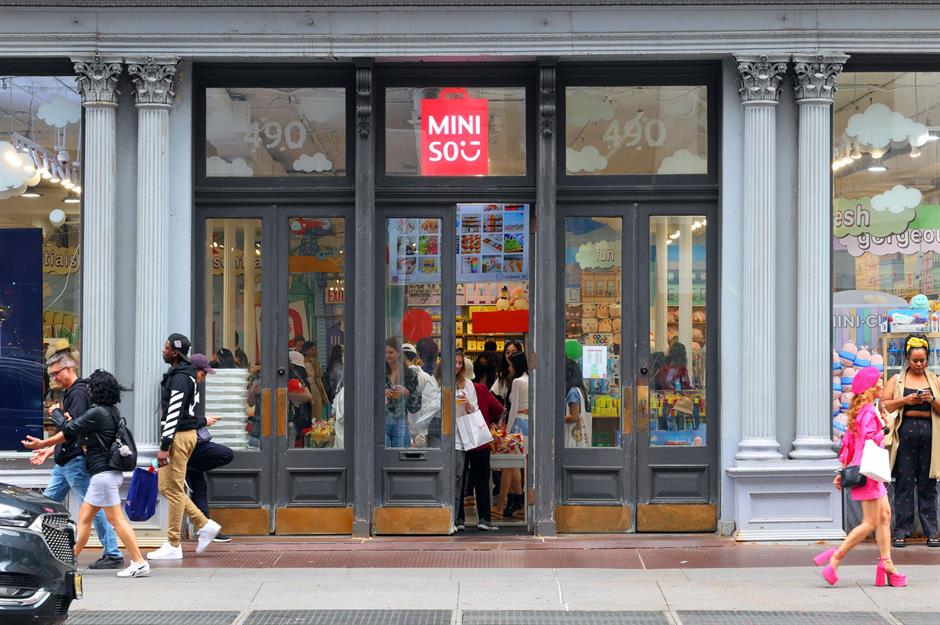
The chain now has 54 stores Stateside, including a sprawling flagship in New York's SoHo, which opened in February. More are on the agenda, as is a North America product development centre, which is tipped to open later this year.
Much like Shein, Miniso has an edge over its competitors as it can get products from the drawing board to the store floor at breakneck speed, as most of its supply chain is in China.
Bingz Crispy Burger
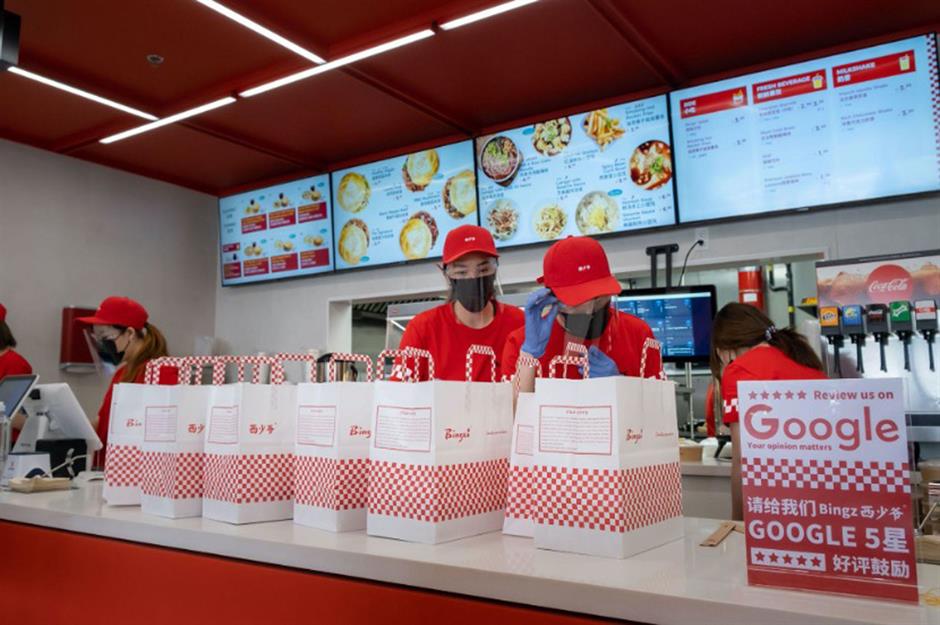
China is perhaps better known for importing Western fast food joints more than it is for exporting its own homegrown culinary chains – but the tables are turning.
Bingz Crispy Burger is one of several Chinese fast food businesses that are currently chewing over the prospect of foreign expansion. The brand, which offers Chinese-style burgers and noodles, opened its first North American location in Toronto last year. The restaurant has gone down a storm with hungry locals.
Bingz Crispy Burgers
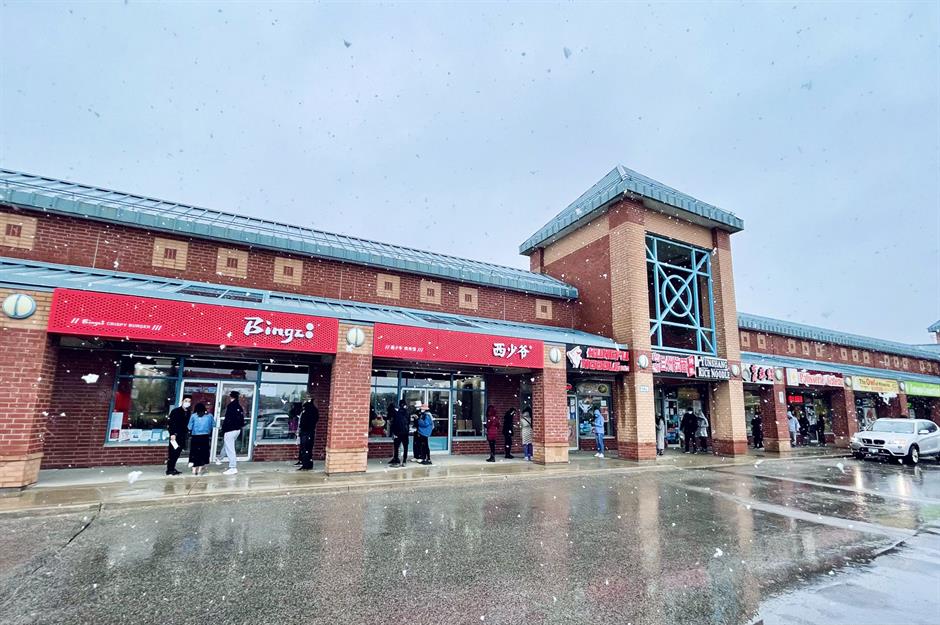
Buoyed on by the trial eatery's success – the Toronto location is outselling Shake Shack and other fast food chains in the area – the bosses at Bingz are now planning to expand across Canada and the US.
Sponsored Content
BYD
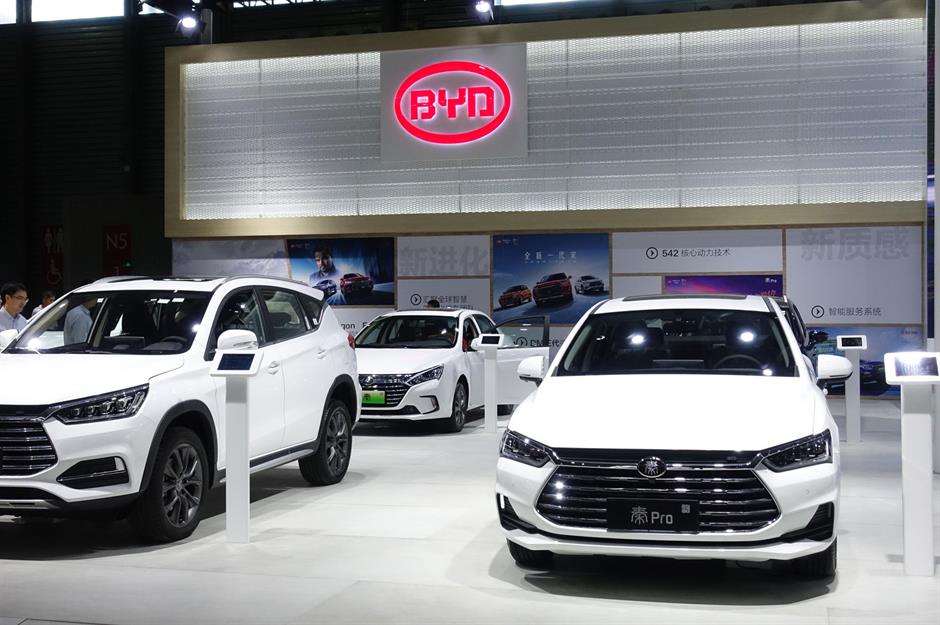
China's electric vehicle (EV) makers are also making inroads overseas. Described by the Financial Times as one of the industry's least known yet most feared brands, the Berkshire Hathaway-backed Build Your Dreams (BYD) has overtaken Elon Musk's Tesla as the world's most popular EV producer.
In fact, it managed to outsell US market leader Tesla by almost 100,000 units during the first six months of 2022 – and it's only just started.
BYD
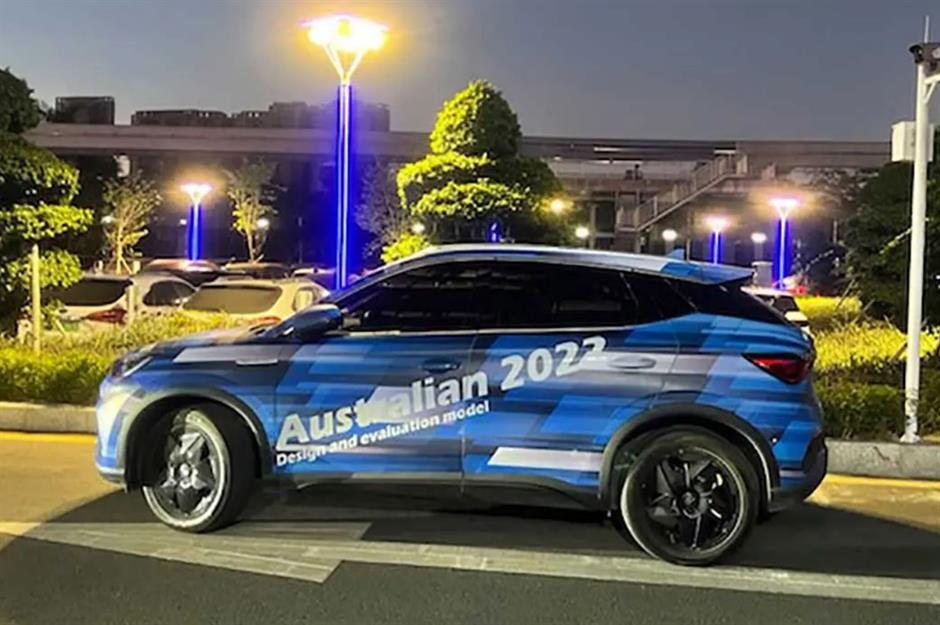
With sales skyrocketing, the company is working on an aggressive overseas expansion plan that will cement its position at the top.
This year has seen the firm launch its first EVs in Australia and New Zealand, with debuts in the Netherlands, Germany, Sweden, and Denmark expected by the end of 2022.
Other overseas plans include a new autonomous driving research facility in Singapore.
Nio
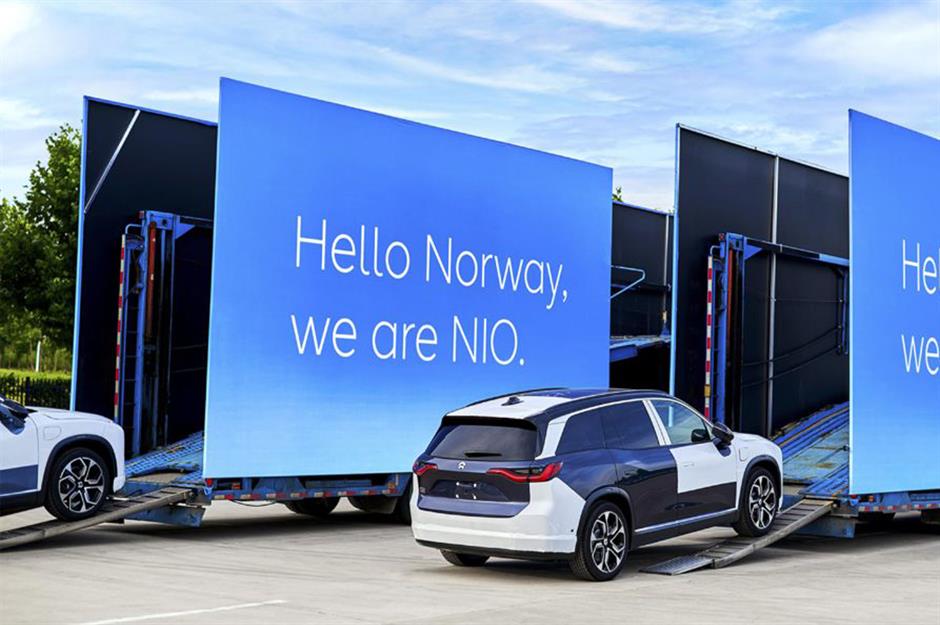
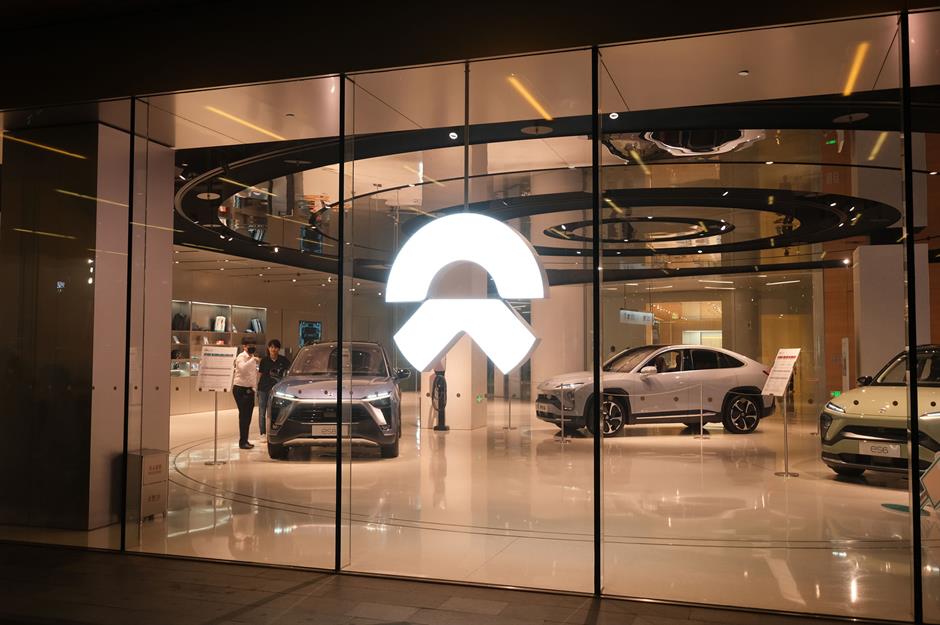
Another Chinese EV maker that's been busy building its international business is Nio.
After launching in Norway last year, the Shanghai-based auto manufacturer is expanding into five new European nations in 2022.
Recent reports that the firm is recruiting factory staff in America have also revved up speculation that it's planning to open a plant in the US.
Sponsored Content
Nio
This would enable the company to avoid the 25% tariff slapped on imported Chinese cars, which goes a long way towards explaining their far-from-impressive position in the current US market.
As well as overcoming tariff and geopolitical issues, Chinese EV makers also have the challenge of building brand awareness in the West.
However, while they might lack household-name status at the moment, they could stand to gain a decent chunk of the market from the established automakers if they play their cards right. Watch this space...
Now discover which famous brands are leaving China behind.