Kennedys at home: archival images reveal the private lives of America’s most public family
The road to Camelot
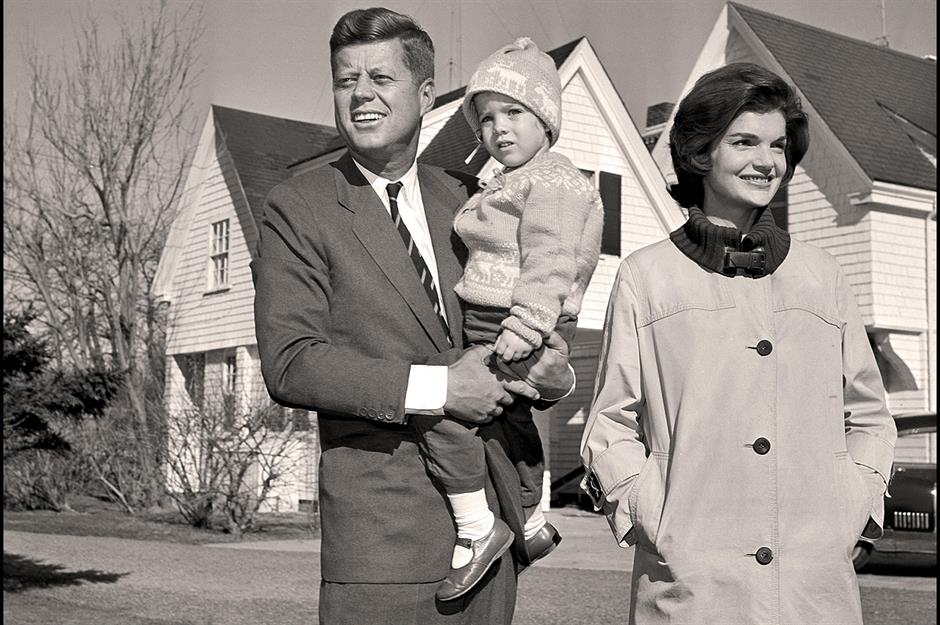
John Fitzgerald Kennedy and Jacqueline Bouvier Kennedy built a public image of a life that appeared both glamorous and effortless. But behind closed doors, their private domestic life was shaped by constant movement, public demand, illness, and the pressures of fame.
After their marriage in 1953, they created homes that reflected both Jackie's refined aesthetic tastes and the requirements of John’s energetic political career, always photoshoot- or magazine spread-ready.
However, beneath the glitz and glamour stood a couple trying to balance demanding public responsibilities with a desire for ordinary family moments, quiet evenings, and a stable environment for their children.
Click or scroll to discover the inner life of the Kennedy family.
When Jack met Jackie
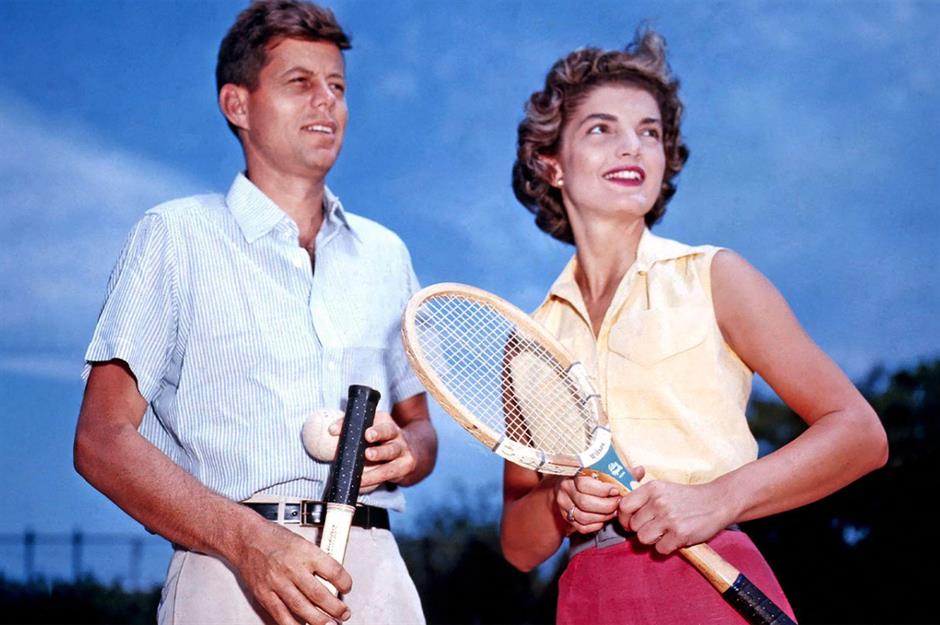
John F. Kennedy was introduced to Jackie Bouvier at a dinner party in Georgetown, D.C., held by a mutual friend in May of 1952. The 34-year-old US representative was immediately smitten with the beautiful, dynamic 22-year-old reporter.
After dating for just a year, they became engaged in May of 1953. Jackie was already well-known in New York society, and John had recently been elected senator for Massachusetts, so the young, attractive couple immediately captured public interest.
The wedding of the year
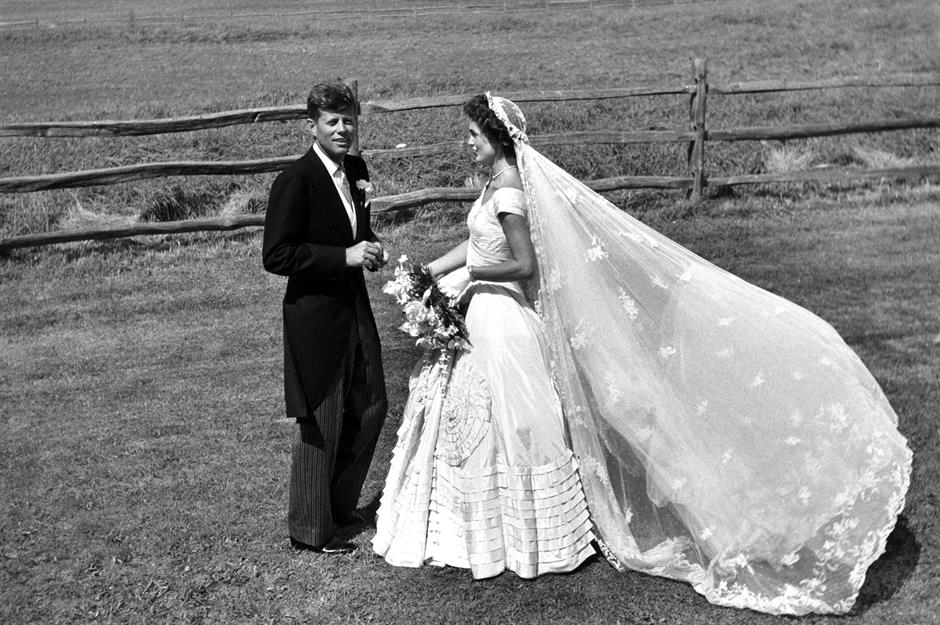
The couple married on 12 September 1953 in Newport, Rhode Island, surrounded by socialites, politicians, and reporters eager to witness what many considered the wedding of the year. After the ceremony, the newlyweds settled into a world that combined privilege with relentless political expectations.
Their earliest homes reflected this mixture. Jackie preferred elegance, books, art, and carefully designed interiors, while John favoured comfort and informality. Even during the first years of marriage, their domestic life revolved around dinner parties, political conversations, and frequent visits from members of the large ‘Kennedy clan’.
Sponsored Content
Their first shared home
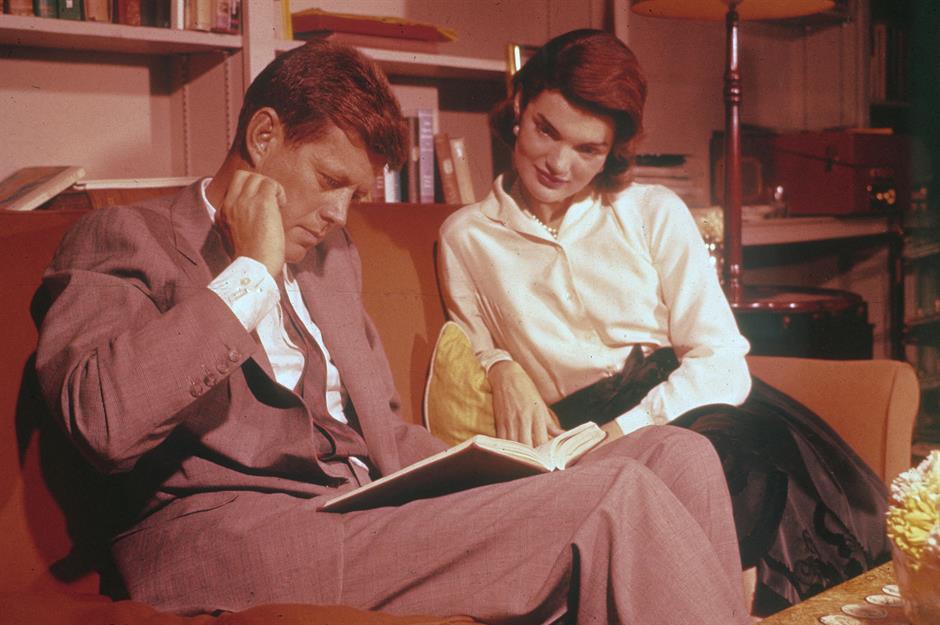
The couple’s first marital home was a rented Georgetown townhouse in Washington, D.C., where they spent much of Kennedy's Senate years. Jackie worked to make the residence warm and sophisticated, filling rooms with antiques and European touches inspired by her travels.
Though John often returned home exhausted from long political days, he enjoyed evenings spent entertaining guests, and the house became a gathering place for journalists, political allies, intellectuals, and friends. Their home reflected the blend of youthful ambition and cultured refinement that would become synonymous with the Kennedys, and which fascinated many Americans.
Hyannis Port
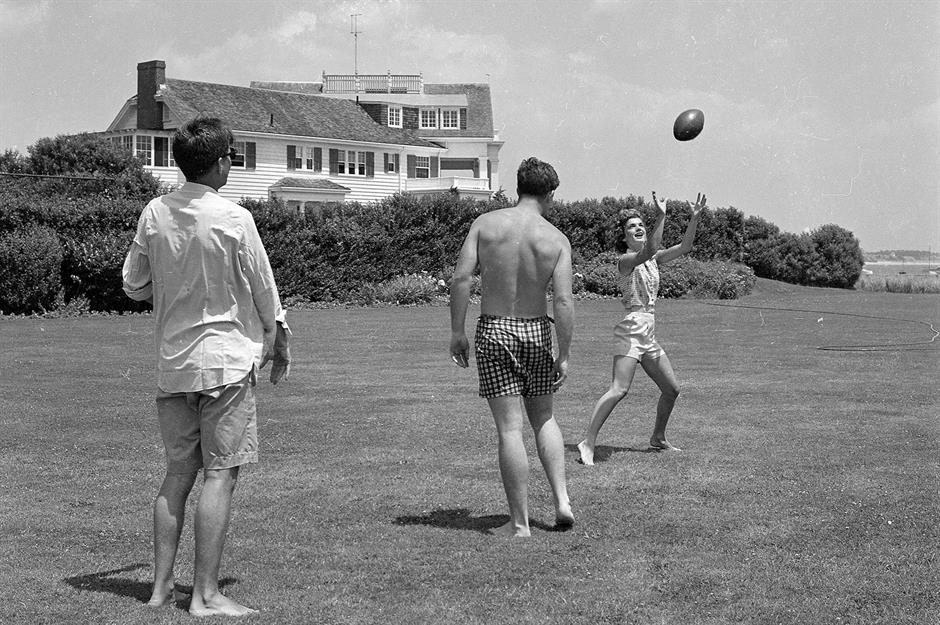
The Kennedy family had strong ties to Hyannis Port, Massachusetts, where the famous Kennedy compound served as a central gathering place. The compound represented more than a vacation retreat; it symbolised family unity and tradition. Summers there involved sailing, touch football games (like the one pictured here), ocean swims, large dinners, and endless activity among siblings, cousins, and friends.
Jackie appreciated the natural beauty of Cape Cod, though she sometimes found the constant presence of relatives overwhelming in the early days of her marriage. For John, however, Hyannis Port offered relaxation and a sense of belonging rooted deeply in family identity.
A young family
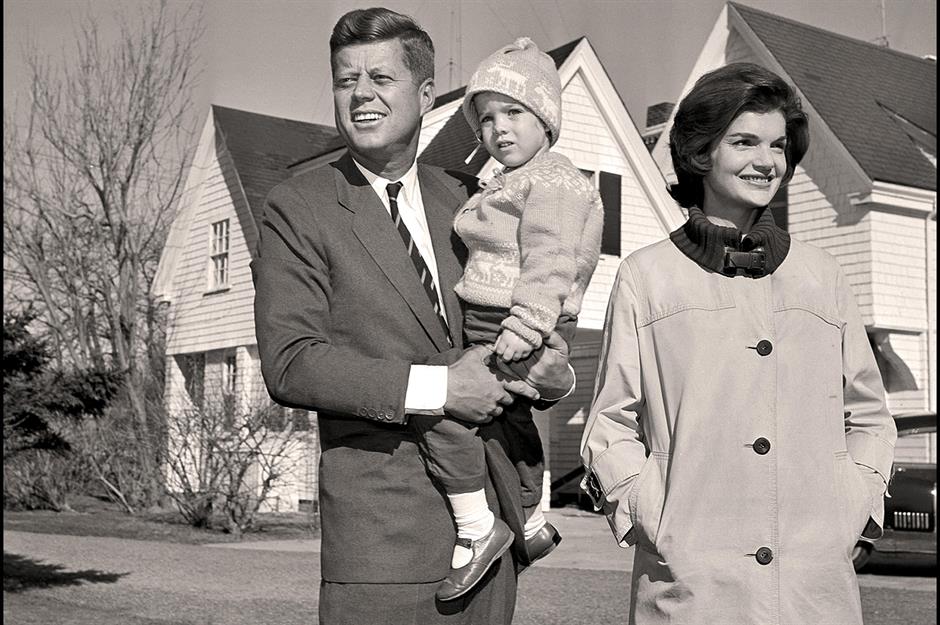
The birth of their children transformed the emotional atmosphere of the Kennedy household. Their first daughter, Arabella, was stillborn in 1956, a tragedy that deeply affected both parents. However, the following year saw the birth of Caroline Kennedy, bringing joy and a renewed sense of hope to the family.
John adored his daughter and often relaxed by playing with her after long days. Jackie devoted enormous attention to creating a nurturing environment for Caroline, selecting furniture, toys, books, and routines carefully. The presence of a child softened the public image of the ambitious senator and revealed his affectionate side.
Sponsored Content
Campaign headquarters at home
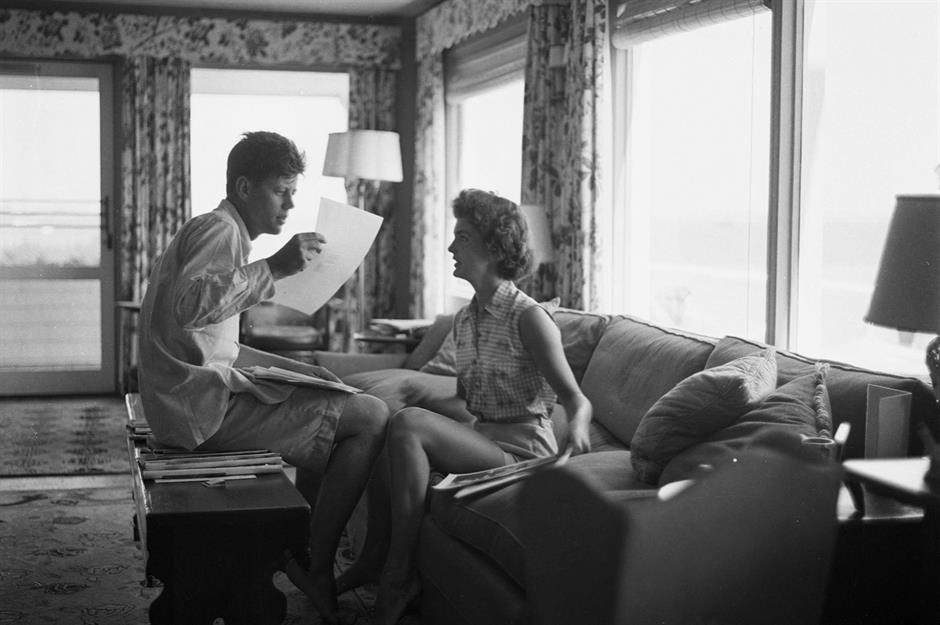
As John's political ambitions expanded, the Kennedys’ domestic routines became increasingly shaped by public appearances. Their homes became campaign headquarters filled with aides, phones, maps, and strategy sessions. Even family meals were frequently interrupted by political concerns. However, the couple still tried to preserve moments of normalcy, including quiet breakfasts and evenings together.
During the 1960 presidential campaign, Jackie was pregnant and often unable to travel extensively. She contributed from home by writing newspaper columns, recording campaign messages, and hosting small gatherings.
A presidential father
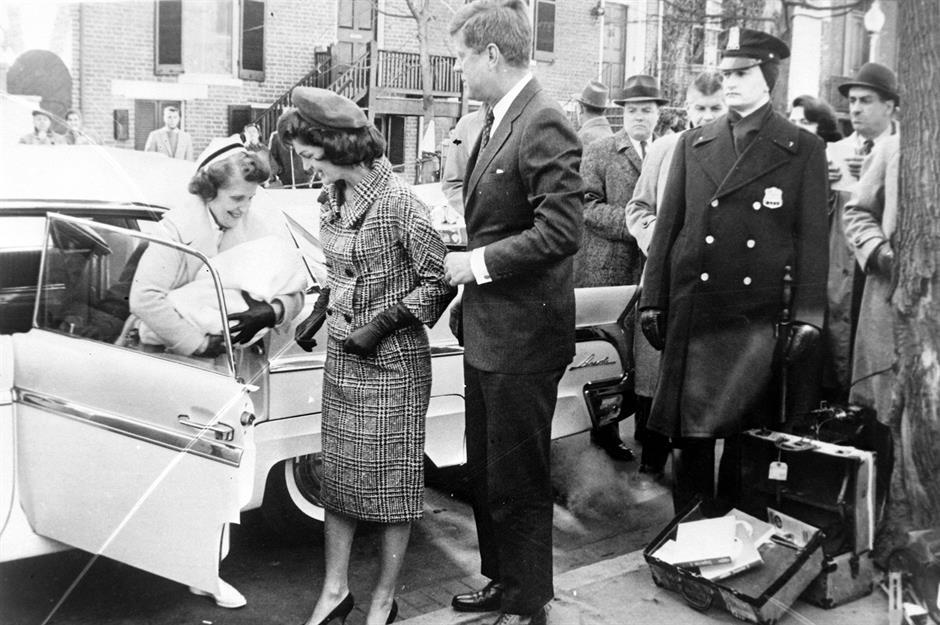
In 1960, John F. Kennedy Jr. was born shortly after Kennedy won the presidential election. The arrival of a baby during such a historic transition captured public attention and intensified fascination with the young family, but Jackie worked hard to shield her children from excessive publicity while still fulfilling ceremonial duties.
The couple sought to create stable routines despite the enormous changes around them. Nursery schedules, bedtime rituals, and family dinners became precious anchors within a life dominated by endless public obligations.
The move to the White House
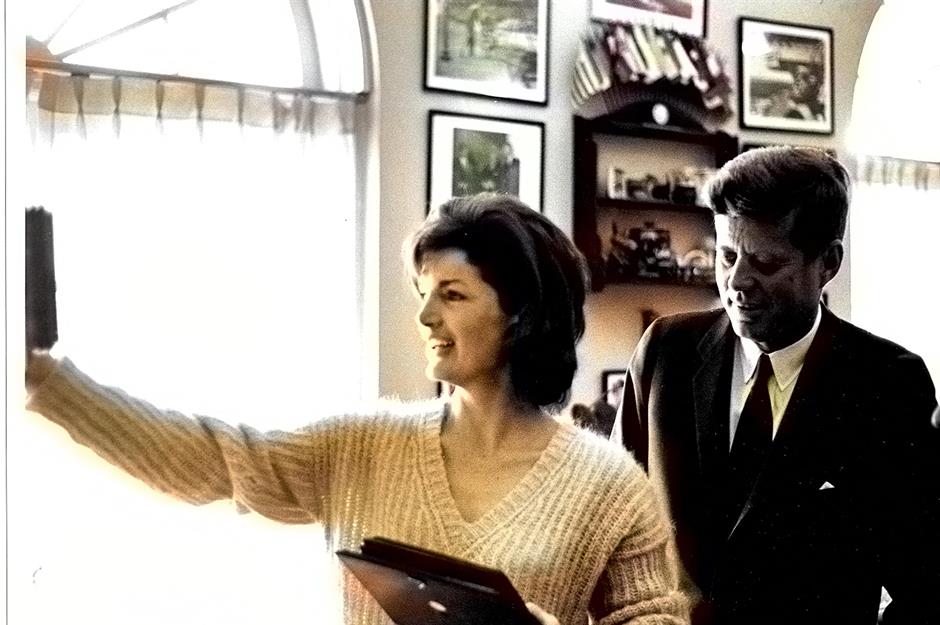
When the Kennedys moved into the White House in 1961, they approached it as a family home as well as a political residence. Jackie famously led efforts to restore the White House interiors, believing the building should reflect the nation's history rather than merely function as an office, and emphasising historical authenticity, fine art, and American cultural heritage.
At the same time, she adapted private spaces to accommodate family life. Bedrooms, play areas, and quiet family rooms were arranged to provide comfort and normalcy for Caroline and John Jr.
Sponsored Content
Attempted normalcy
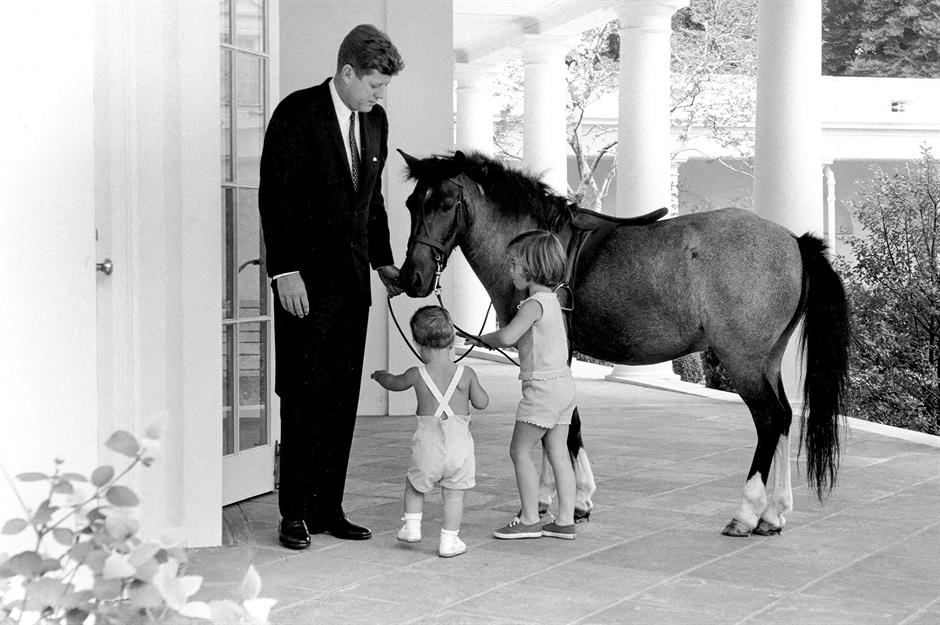
While the White House quickly became one of the most photographed homes in the world, the Kennedys tried to preserve private family moments behind closed doors.
Jackie carefully supervised the children's routines and education, determined to prevent the White House from becoming emotionally overwhelming, and John frequently visited the children's rooms between meetings, sometimes reading stories or watching them play.
Pictured here, John accompanies Caroline and John Jr. as they play with Caroline’s pony Macaroni, which she often rode on the White House grounds.
Outdoor excursions
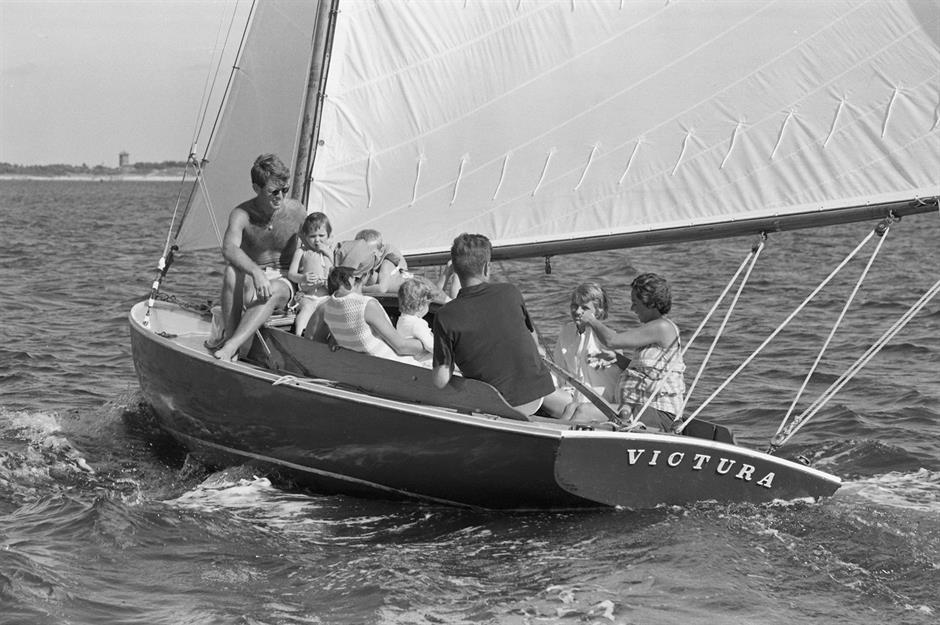
The Kennedys also valued outdoor recreation as part of family life. John loved sailing, swimming, and touch football, activities he had enjoyed since childhood, and Jackie was an accomplished equestrian, frequently riding horses for exercise and relaxation.
Weekends at Hyannis Port or Palm Beach allowed the family to escape Washington's pressures temporarily, but photographs of the Kennedys walking on beaches, sailing together, or playing with their children also helped shape the family’s public image of youth and vitality and boost approval ratings.
Rest and recovery
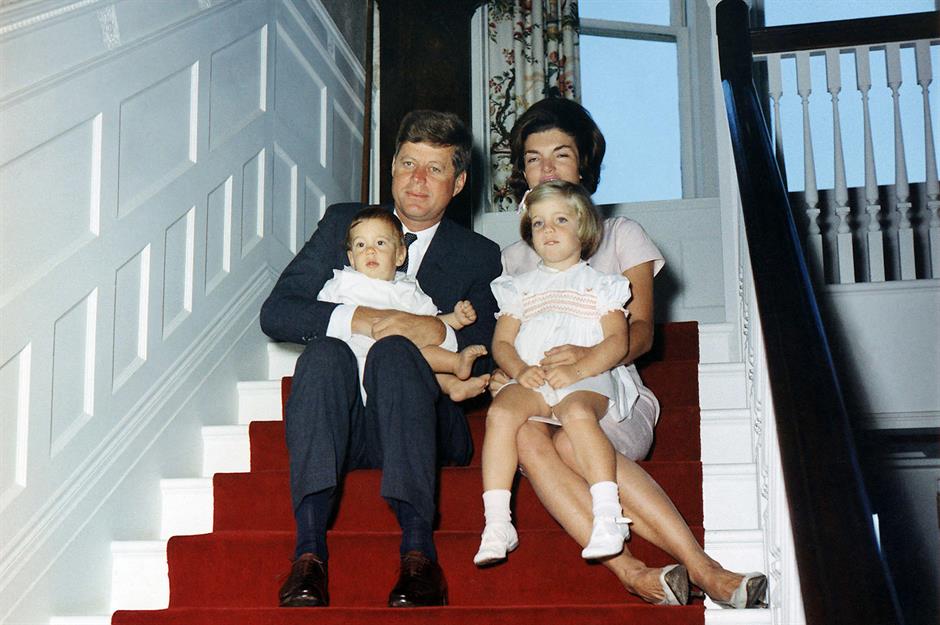
Despite the glamorous public image, life inside the Kennedy household was often strained by illness and exhaustion. Kennedy suffered chronic back pain and numerous health problems throughout his life, requiring medication, therapy, and periods of rest. Jackie also endured emotional stress, loneliness, and the demands of constant public attention.
While their home life sometimes revolved around recovery and quiet retreat rather than celebration, Jackie worked tirelessly to maintain beauty and order within their surroundings, believing that elegance and routine could provide emotional stability amid political turbulence.
Sponsored Content
A presidential childhood
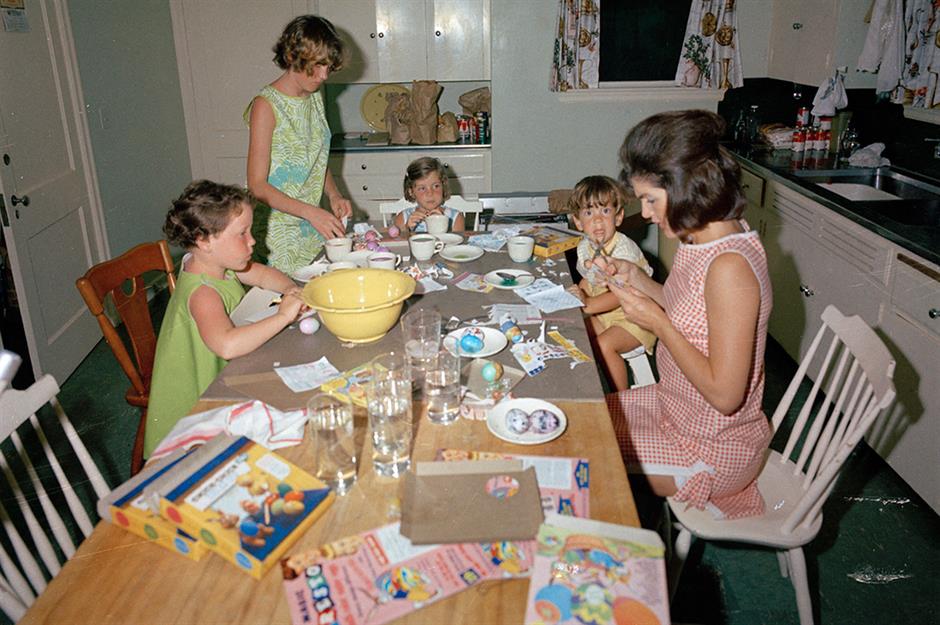
Jackie placed enormous importance on protecting her children's sense of normalcy despite extraordinary circumstances, limiting unnecessary public appearances and carefully selecting the staff members who interacted with Caroline and John Jr. The White House nursery became a surprisingly ordinary space filled with toys, children's books, and family photographs.
Meanwhile, regular escapes helped reduce their exposure to Washington. Jackie and the children are pictured here painting Easter eggs while on vacation in Palm Beach.
Entertaining, Kennedy-style
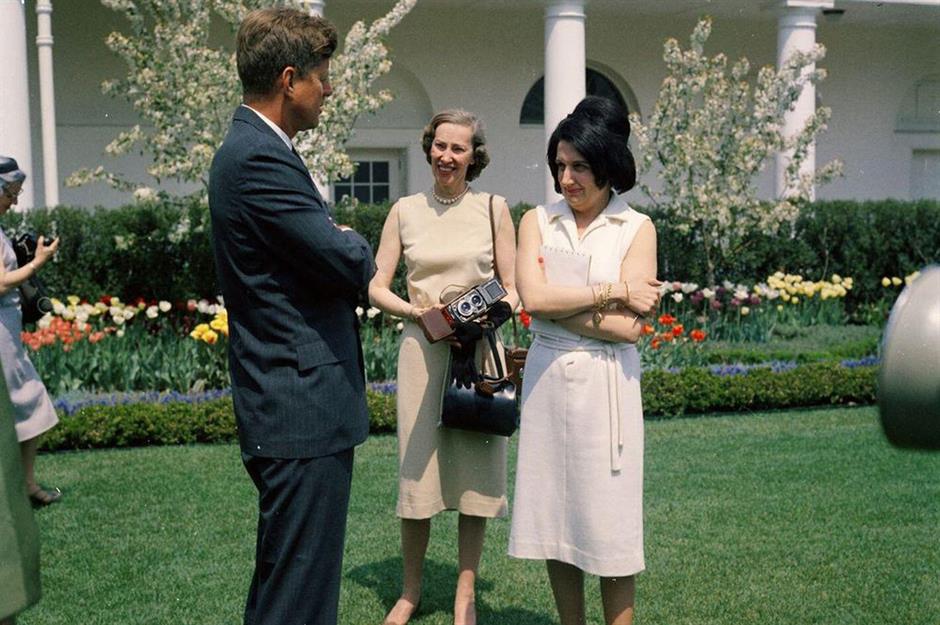
Entertaining remained central to the Kennedy lifestyle throughout the presidency. Jackie believed culture and intellectual life should be integrated into domestic hospitality, and under her influence, the White House hosted artists, musicians, writers, diplomats, and actors alongside political figures.
Guests often remarked on the atmosphere of elegance mixed with youthful informality, as candlelight dinners and chamber music performances became hallmarks of Kennedy-era entertaining.
After guests departed, however, the residence returned to its quieter rhythms – the routines shared by parents raising young children.
A complicated partnership
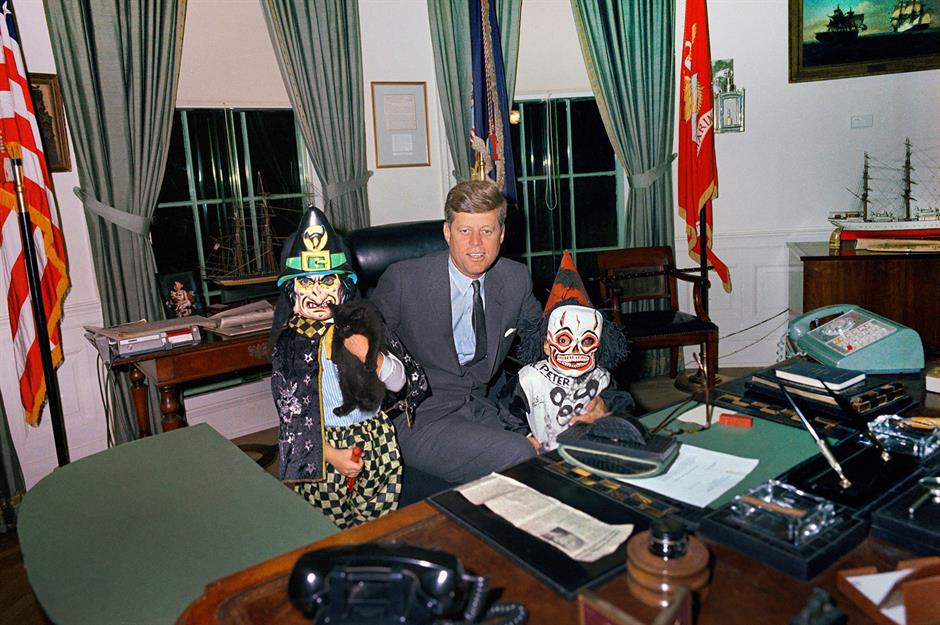
The Kennedy marriage itself was complex and often challenged by emotional distance, political pressures, and Kennedy's well-known infidelities. Nevertheless, Jackie understood the demands of political life and contributed significantly to her husband's public image and cultural legacy both during his presidency and after his death.
Their domestic life reflected their complicated partnership, combining ambition with tenderness, sophistication with informality, and public spectacle with genuine efforts to create family intimacy, often putting their children first.
Pictured here, Caroline and John Jr. pose in their Halloween costumes with their father in the Oval Office, emphasising just how fine the line between family and political life was in the Kennedy household.
Sponsored Content
Escapes to Hyannis Port
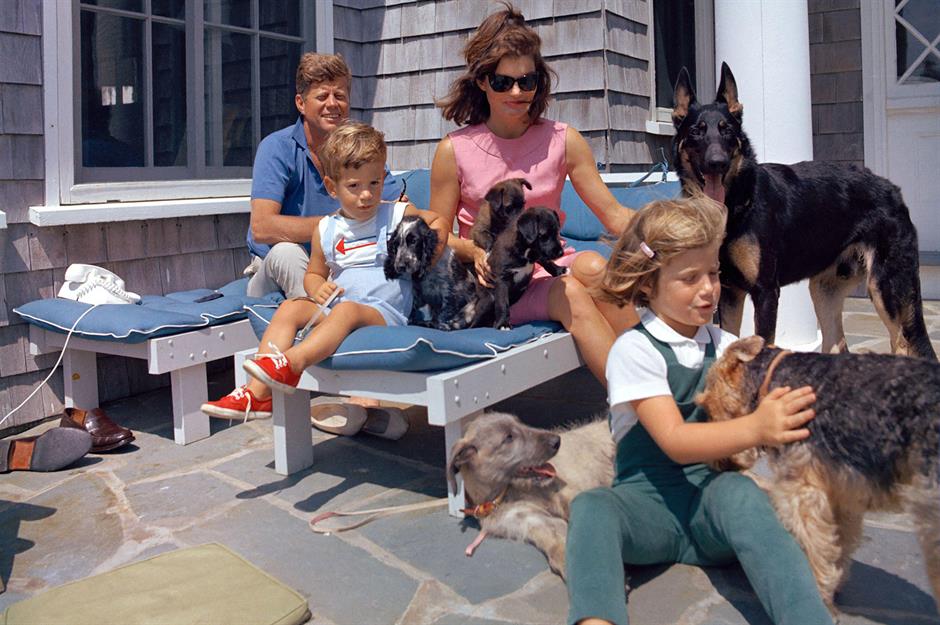
The Hyannis Port compound remained emotionally important to the Kennedys throughout their marriage and presidency. Whenever possible, the family escaped there to recover from the pressures of Washington and public life.
Children played freely outdoors while Secret Service agents tried to remain discreetly out of sight, and diversions included large seafood dinners, storytelling, and lively debates among Kennedy family members, whose strong personalities shaped the atmosphere of the compound.
Growing appeal for Jackie
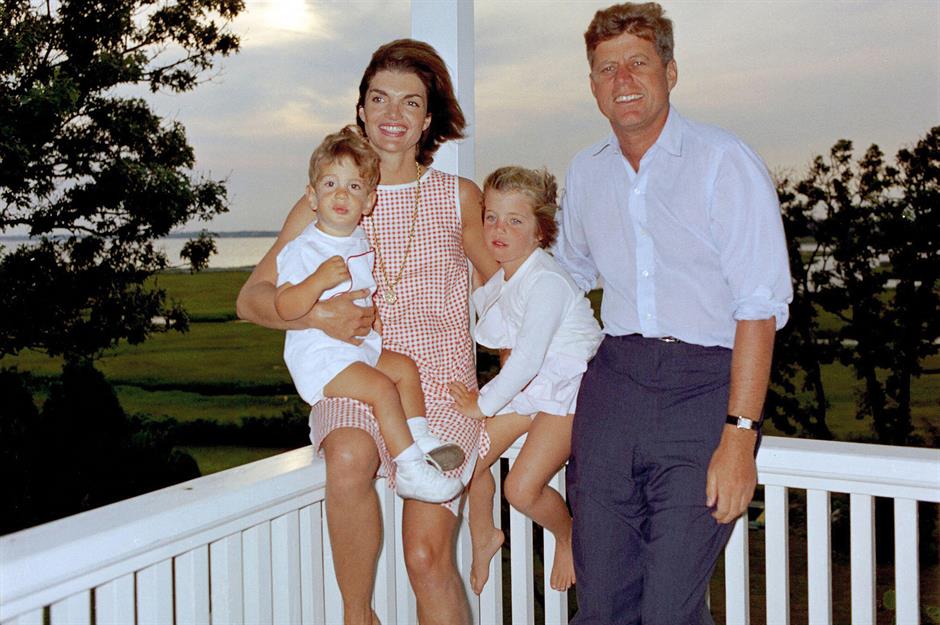
Jackie gradually developed a greater appreciation for Hyannis Port over the years, especially after becoming a mother. Although she initially found the constant activity and competitive Kennedy family culture exhausting, she later embraced the compound as a place where Caroline and John Jr. could experience outdoor freedom and close family bonds.
She enjoyed organising picnics, gardening, horseback riding nearby, and watching the children explore the beaches. Hyannis Port also allowed Jackie to see a more relaxed side of her husband, far removed from the pressures and formality of political life.
John's place for relaxation
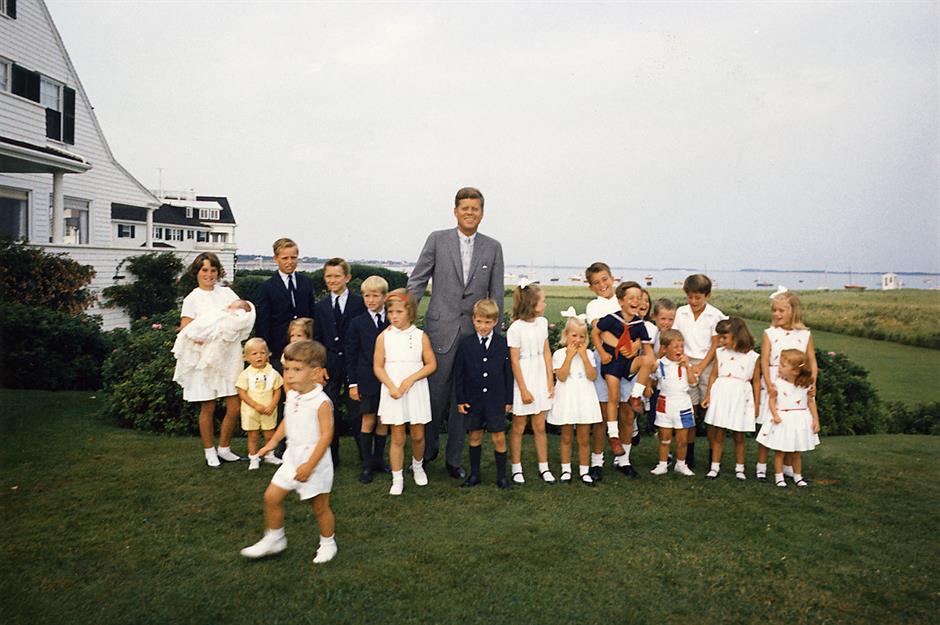
For John, Hyannis Port served almost as a second White House during the early 1960s. Important advisers, political allies, and foreign guests occasionally visited the compound for meetings and informal discussions. However, despite the presence of politics, the atmosphere remained distinctly domestic.
Reporters often photographed Kennedy carrying his children, sailing with family members, or laughing with siblings on the lawn. These scenes reinforced the public image of the Kennedys as youthful, active, and closely connected to one another through family tradition.
Sponsored Content
An all-American family
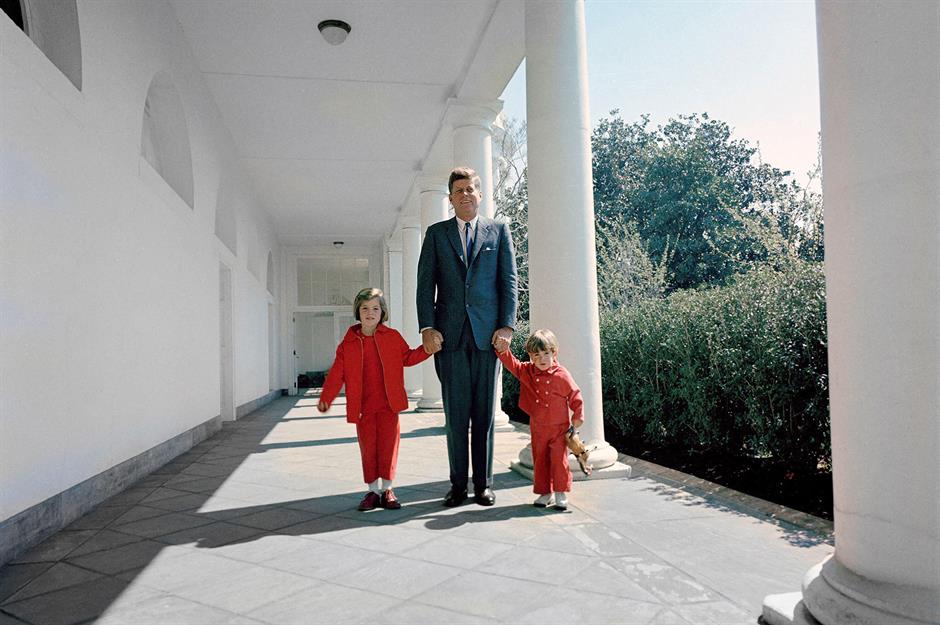
By the final months of Kennedy's presidency before his tragic assassination, the family had settled into recognisable domestic routines despite the extraordinary nature of their lives.
Mornings often revolved around the children before official duties began. Evenings might include private family dinners or quiet moments away from advisers and reporters. Jackie continued refining the White House restoration while nurturing her children's daily lives.
While the Kennedy household may have projected elegance and confidence to the world, beneath the famous facade stood a family seeking comfort, belonging, and emotional connection amid the immense pressures of public scrutiny.
Loved this? Now discover more homes of historic icons