Fairy tale visions of future housing that are more nightmare than dream
Rita Lobo
24 July 2017
An architecture competition with a difference
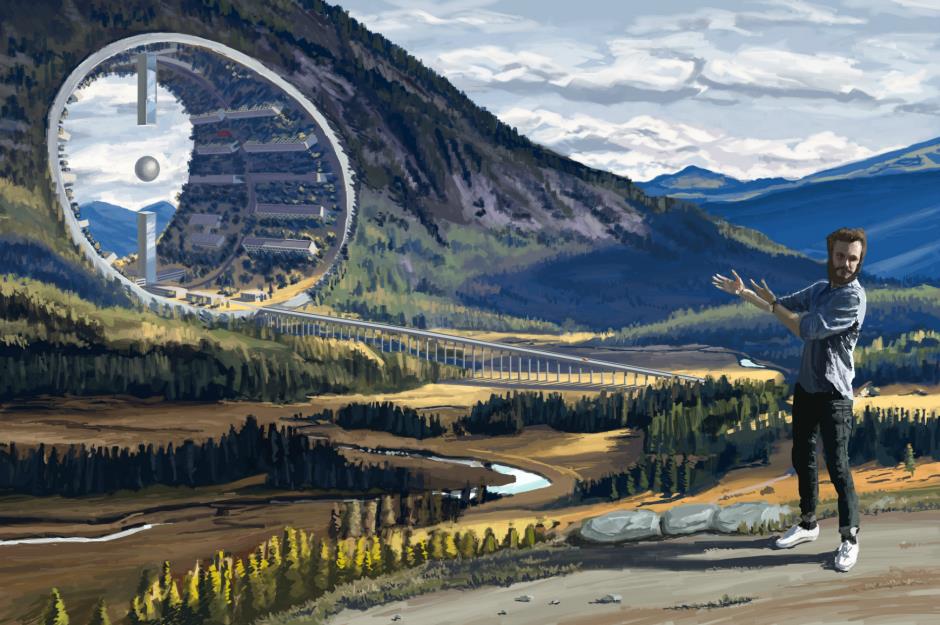
Every year the Blank Space Fairy Tales competition invites artists and architects to imagine fantastical future worlds. The proposals put forward create entire worlds of the imagination – including visions of people's homes and communities that are often more nightmare than dream. Let's take a look at this year's winners and their unreal stories.
Honourable mention: Leftovers of a Dream
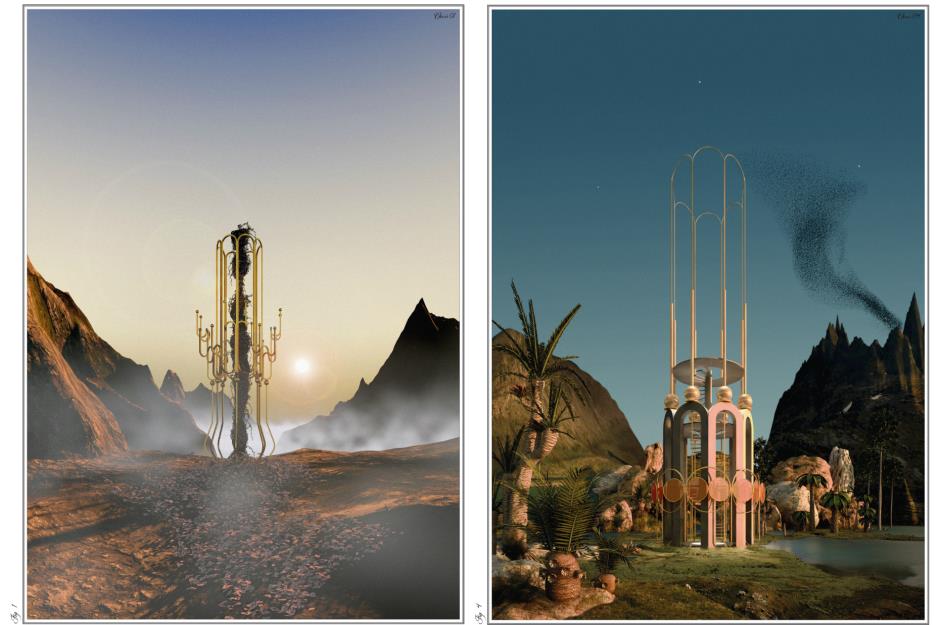
Dakis Panayiotou has imagined a series of capsule homes that can be built virtually anywhere, from deserts to mountain tops. "I always like to play with natural force balancing objects and structures," he explained.
Honourable mention: Leftovers of a Dream
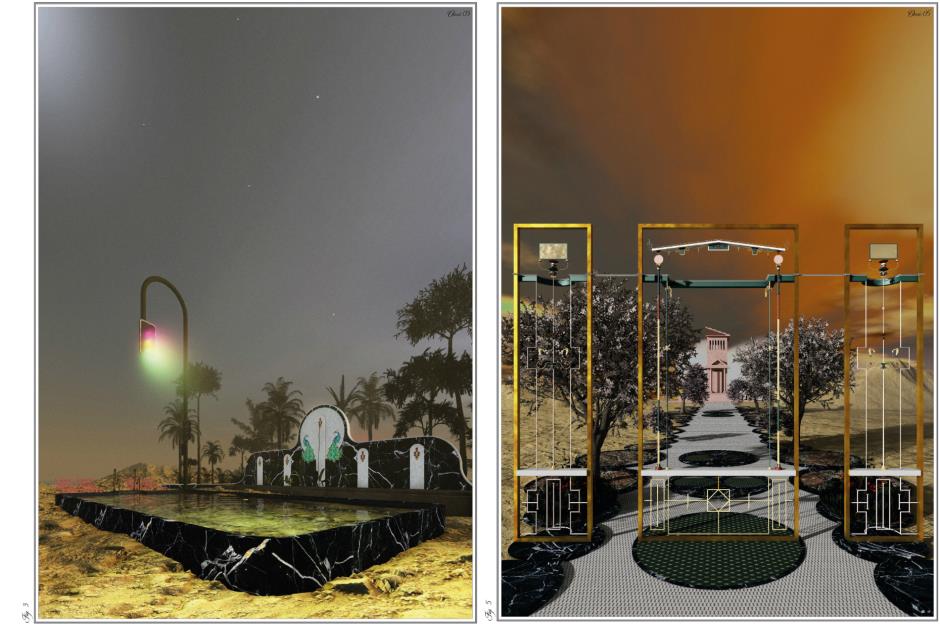
Panayiotou's constructions have a mid-century feel to them, but are unmistakably futuristic, and potentially functional.
Sponsored Content
Honourable mention: Sapphire City
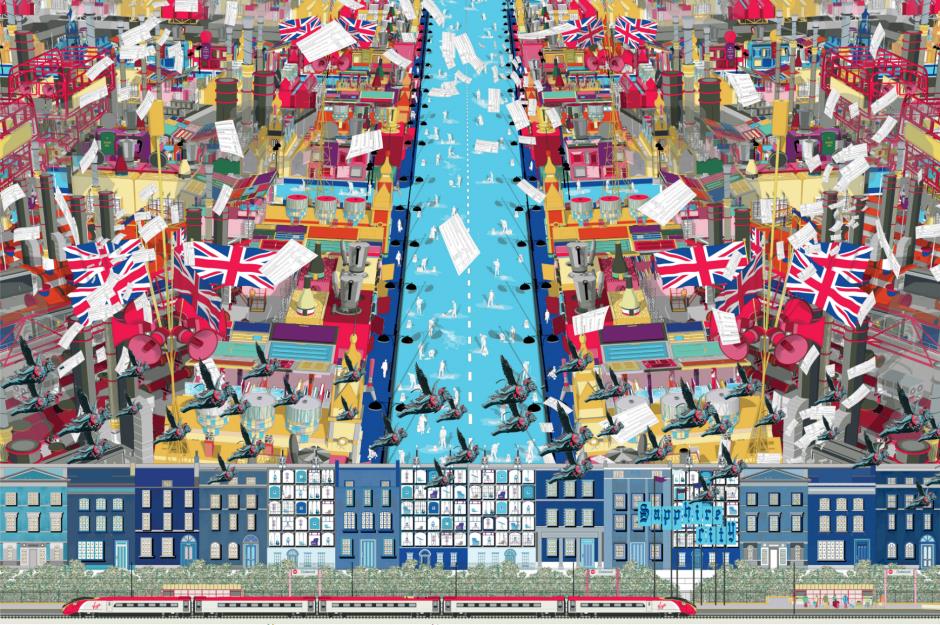
Michael Quach has imagined a post-apocalyptic Britain − a wicked land of Oz, where less affluent younger generations are trapped outside the opulent Sapphire City, which is entirely populated by wealthy elderly people.
Honourable mention: Sapphire City
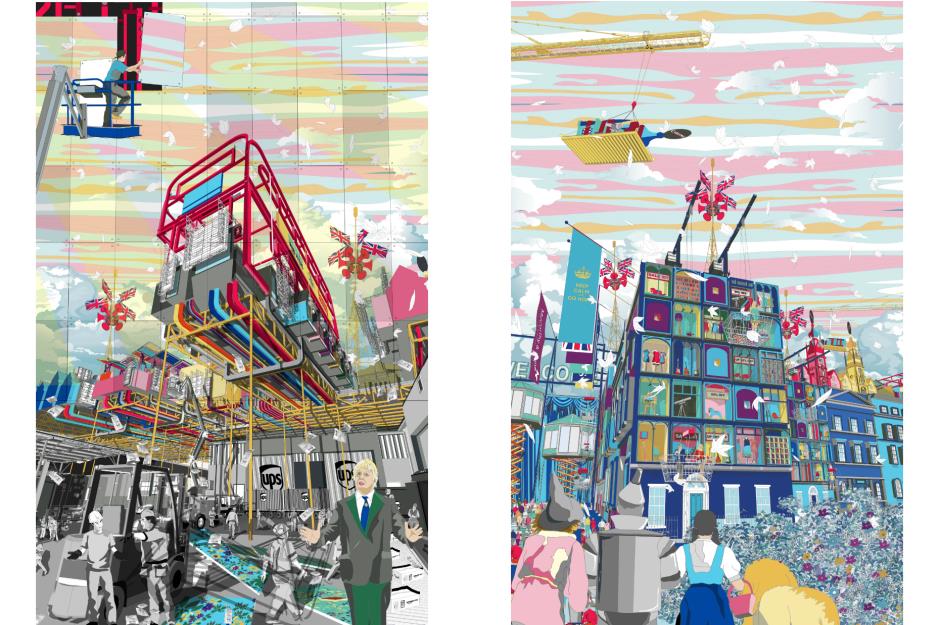
It is a powerful visual metaphor for what Quach sees as the future of a deeply divided post-Brexit United Kingdom. The dreary tale of civil unrest and poverty told by Quach are at odds with his colourful, bright representations of the cities of his imaged future Britain, but the contrast makes the imagery even more powerful.
Third place: Up Above
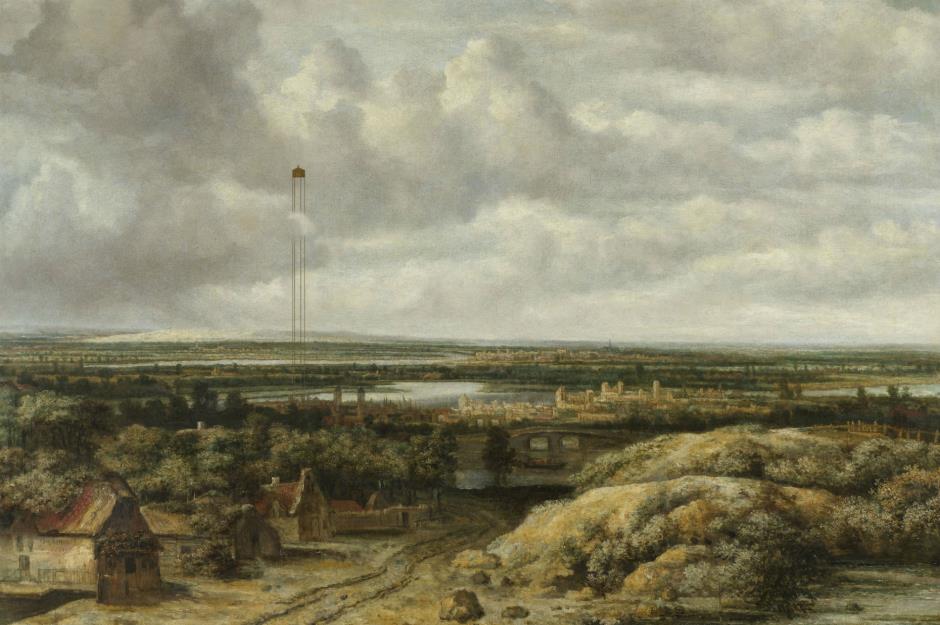
Ariane Merle d’Aubigné and Jean Maleyrat imagine a world where people have had to flee to the clouds, seeking refuge from oppression, regulations, and inequality on the surface of the earth below. These communities high up in the clouds are called "Skylands" and are self-contained little villages with no contact with the world below.
Sponsored Content
Third place: Up Above
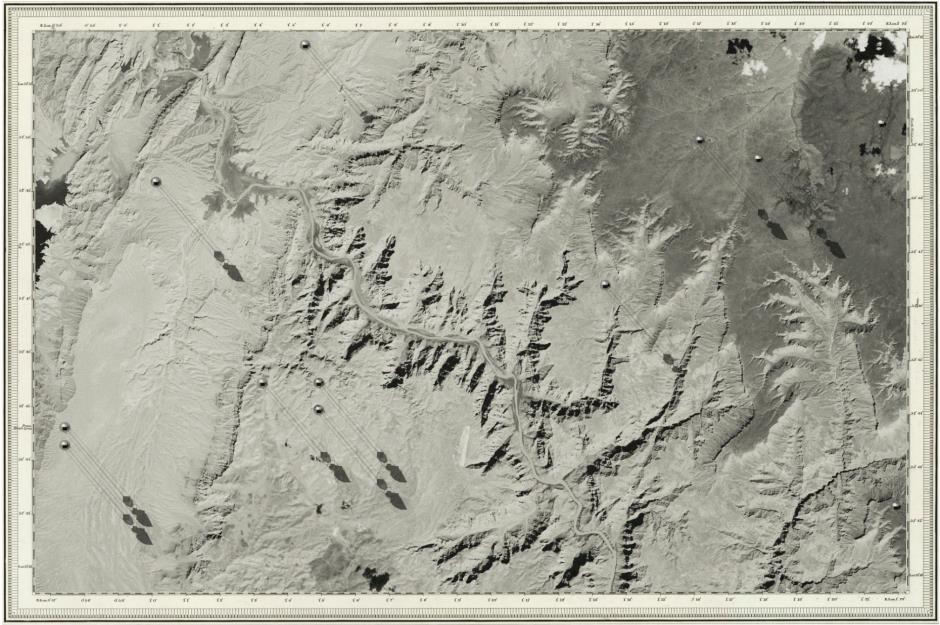
Skyland residents have little houses and greenhouses built, and get around on zeppelins. They look down on Earth − their old home to which they can never return.
Third place: Up Above
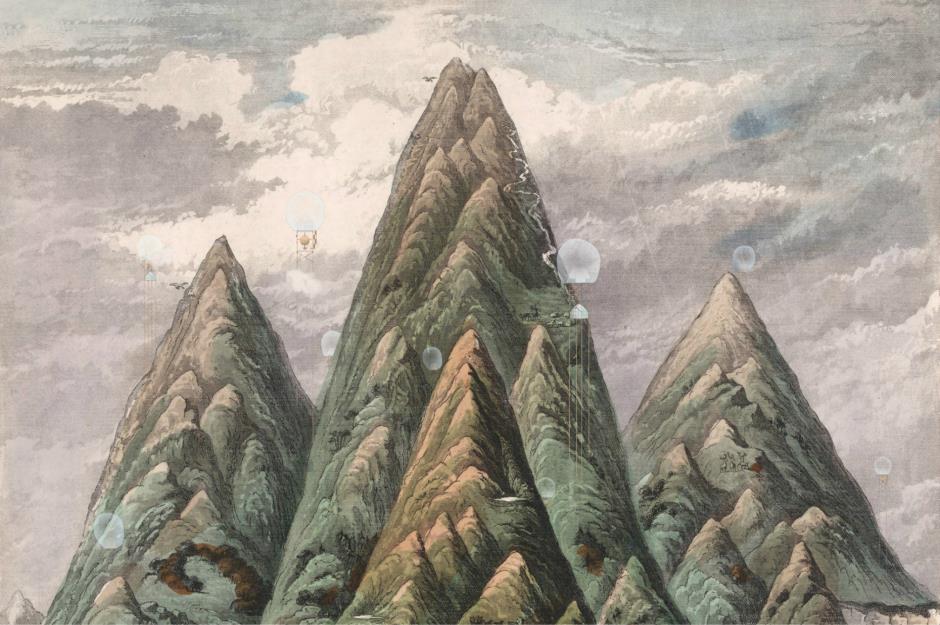
"The short narrative takes a look at reality through the marvelous and the fantastic. We have tried to highlight contemporary issues and concerns by letting the supernatural burst into reality," explain the authors. "Migration, the accumulation of wealth, overpopulation, the terrorist threat and pollution are some of the issues with which we live every day."
Third place: Up Above
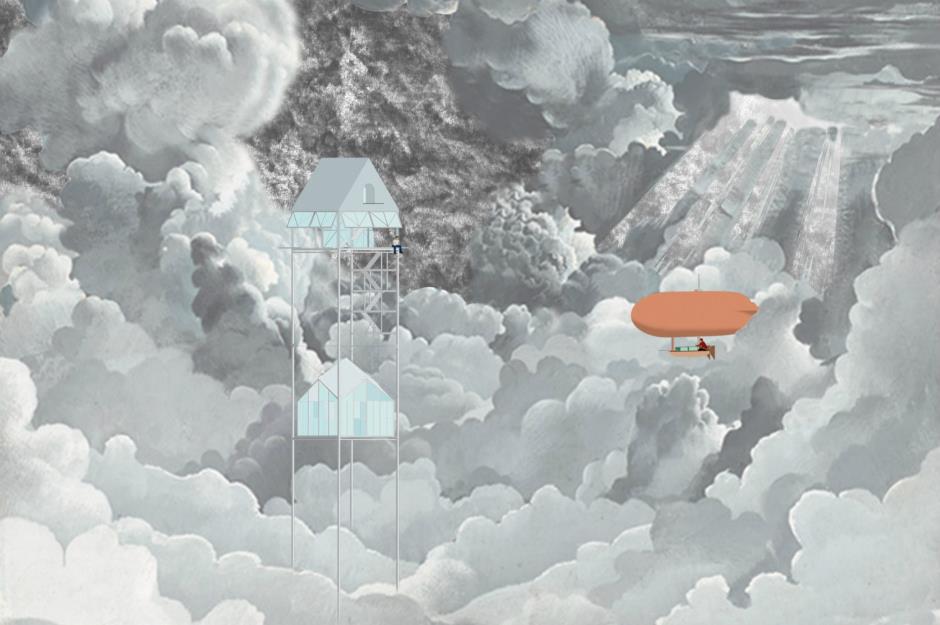
The dreamlike quality of d’Aubigné and Maleyrat's imagery makes the cloud shanties look almost desirable, but their eerie isolation is a reminder that the residents of the little sky houses are refugees − always apart from the rest of the world.
Sponsored Content
Second Place: “City Walkers” or “The Possibility of a Forgotten Domestication and Biological Industry”
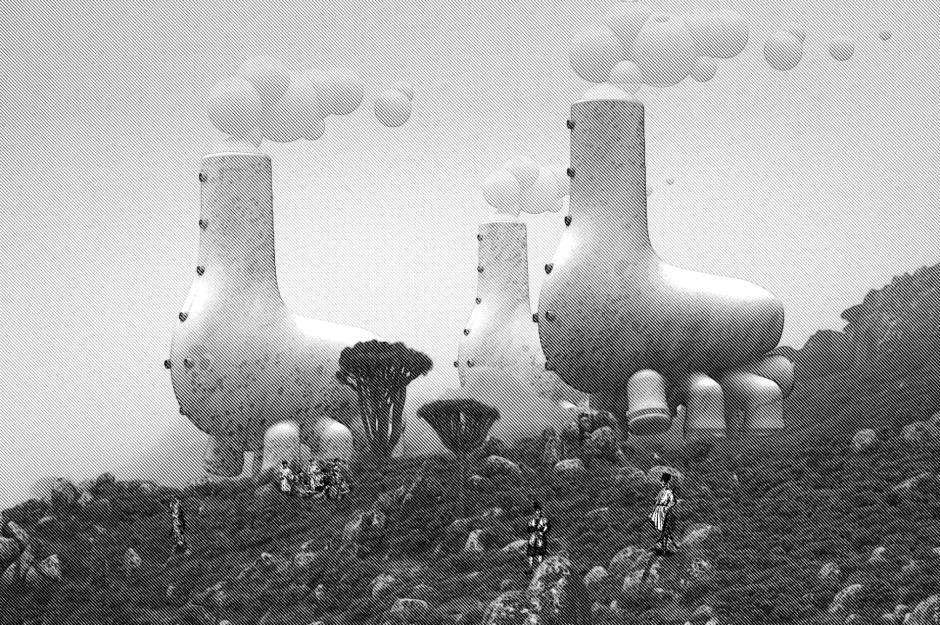
Terrence Hector is an architect from Chicago with an M.Arch and BS in Architecture from the University of Illinois at Chicago. His entry, “City Walkers” or “The Possibility of a Forgotten Domestication and Biological Industry”, tells a beautiful story of a sentient species of architecture that moves slower than humans can perceive. That doesn’t stop human beings from harnessing every possible bit of energy from “The Walkers” in addition to spawning settlements in their wake.
Second Place: “City Walkers” or “The Possibility of a Forgotten Domestication and Biological Industry”
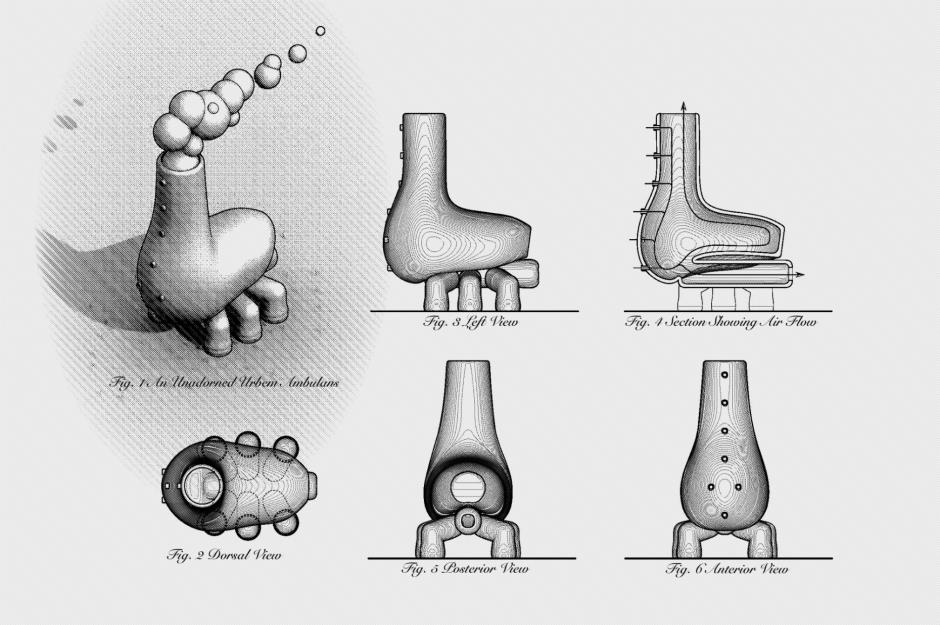
Hector has gone to great lengths to make these walkers as realistic and functional as possible − his retro-looking design and images makes the reader wonder if they might actually have existed in the past.
Second Place: “City Walkers” or “The Possibility of a Forgotten Domestication and Biological Industry”
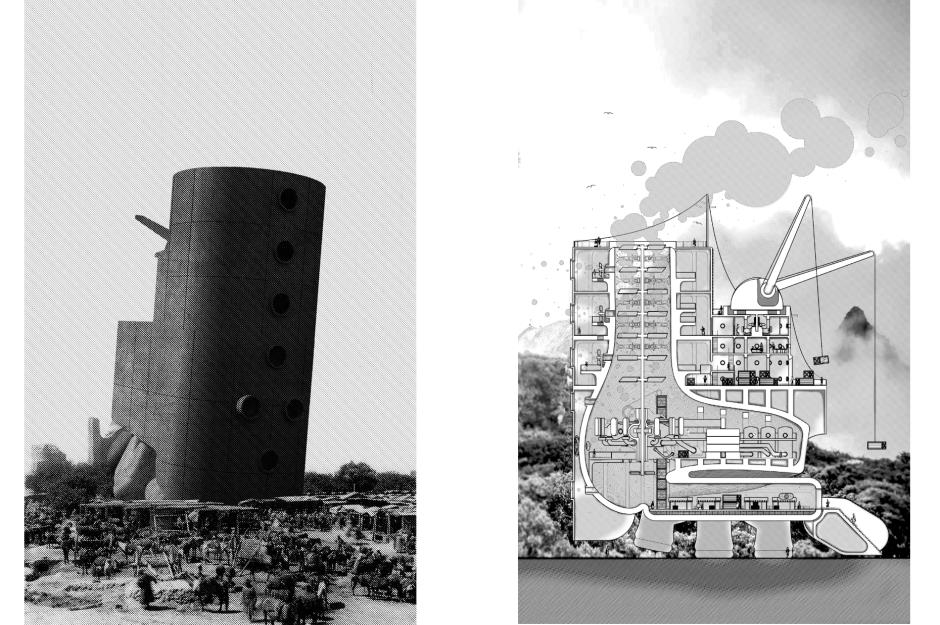
“The city in this story was an exploration of civilization and urbanism as humanity’s relationship with natural and biological systems that exist on a vastly longer timescale than the human lifespan," explains the architect. "I was trying to work through an inferred genealogy from the USS Monitor to Hayao Miyazaki, working through a tradition of humanizing massive, aggressive machines.”
Sponsored Content
Second Place: “City Walkers” or “The Possibility of a Forgotten Domestication and Biological Industry”
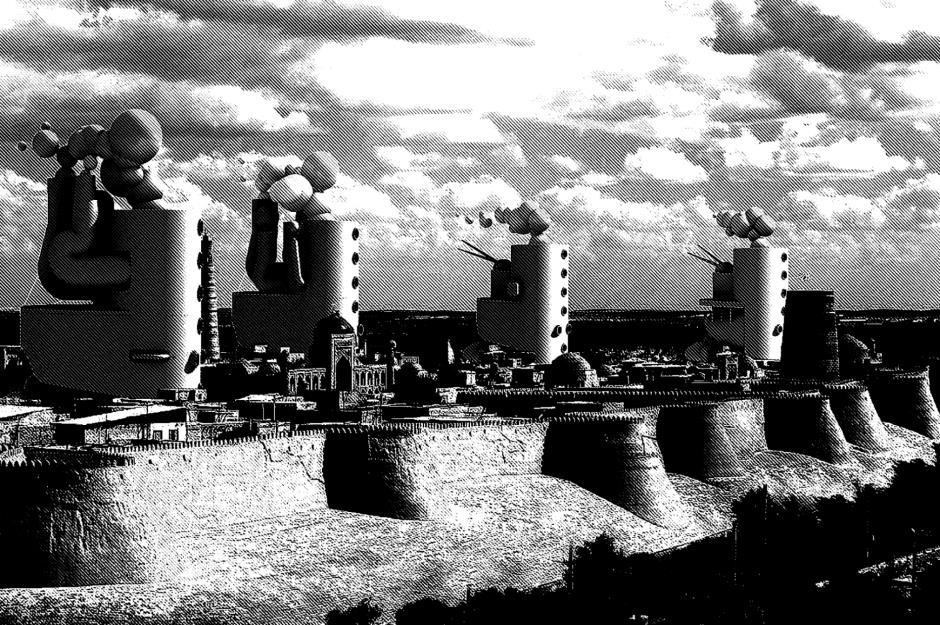
He describes these 'creatures' as "massive, bowely creatures; 200 foot tall rotund and hollow bio-vessels supported on six stocky legs (Plate 2, Figure 1). Their chitinous skin was covered with and softened by thick layers of dirt and dust, giving them the appearance and color of unfired pottery."
First Place: Last Day
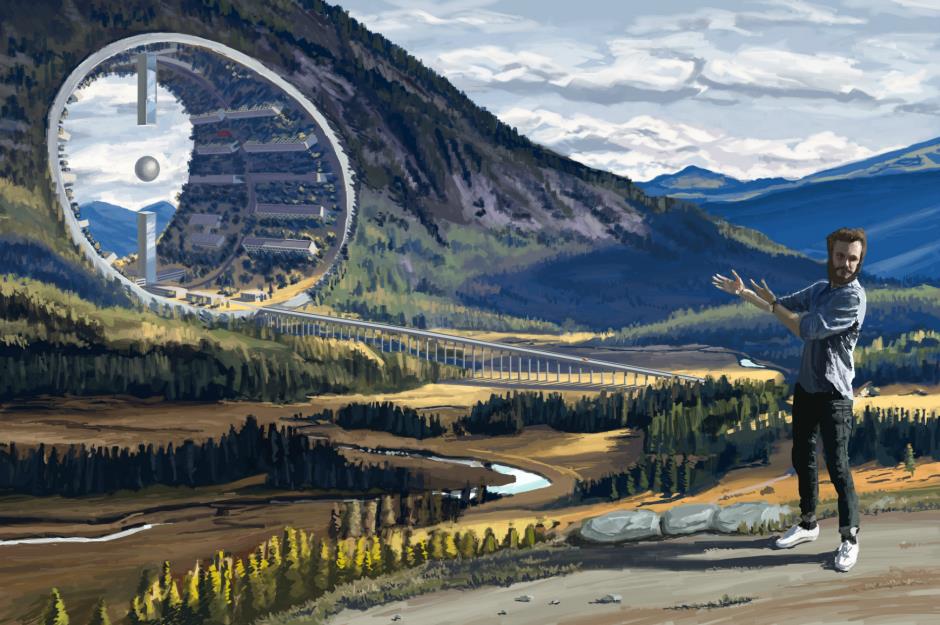
Mykhailo Ponomarenko, a Ukrainian-trained architect, won top prize with “Last Day”. The entry utilises classical painting techniques to create monumental landscapes with strange sci-fi megastructures inserted into them. At first glance you wonder if the wild scenes could in fact be real.
First Place: Last Day
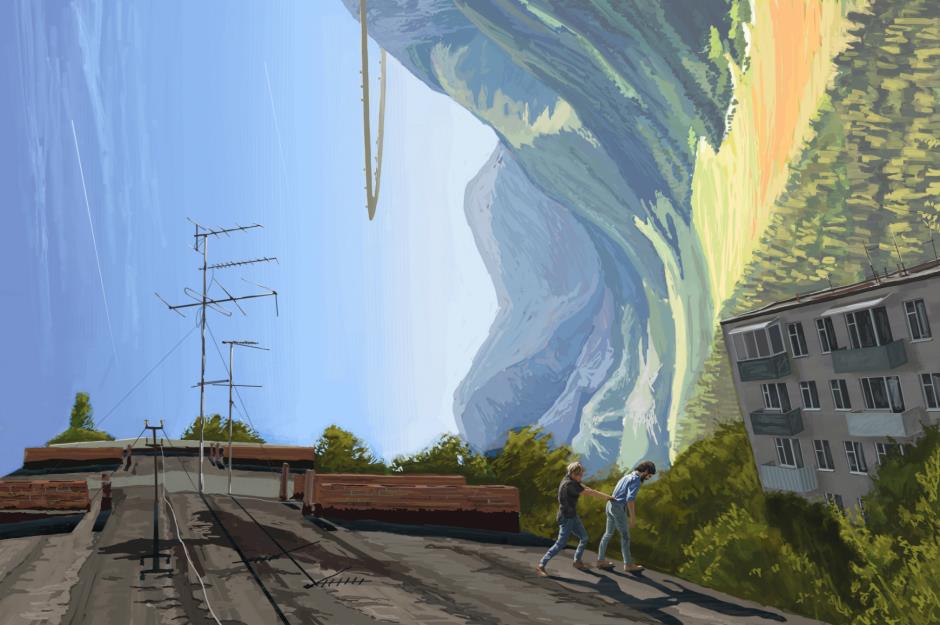
"Landscapes have always inspired me to put something weird, unreal and out of human scale into them," explains Ponomarenko. "These satirical interventions lead to new ideas and feelings about nature – they make the viewer more aware about the environment and our harmful impact on it."
Sponsored Content
First Place: Last Day
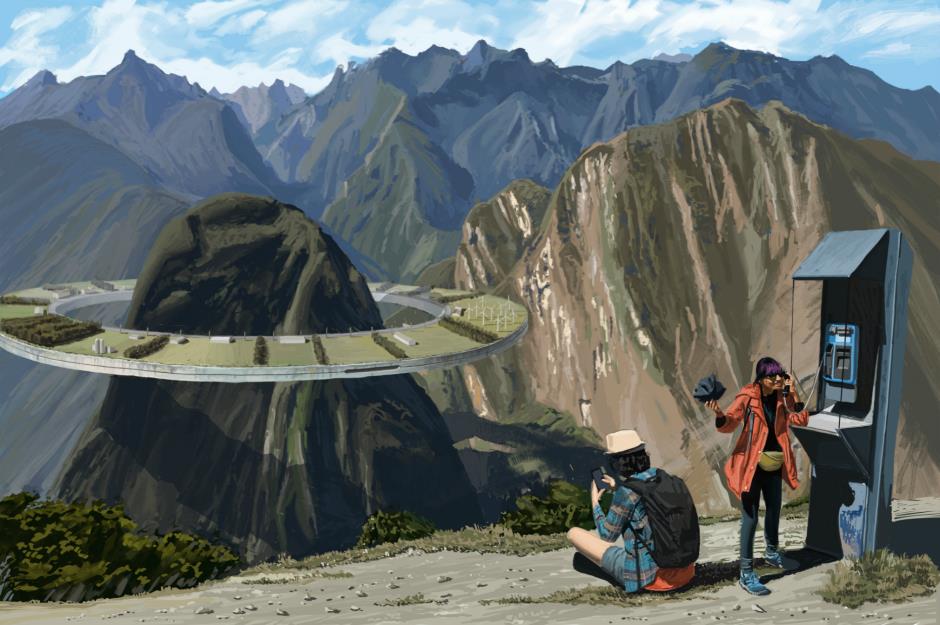
Ponomarenko's vivid imaginary landscapes present solutions to issues such as overcrowding and the destruction of natural landscape that appear realistic − despite clearly being fantastical.
First Place: Last Day
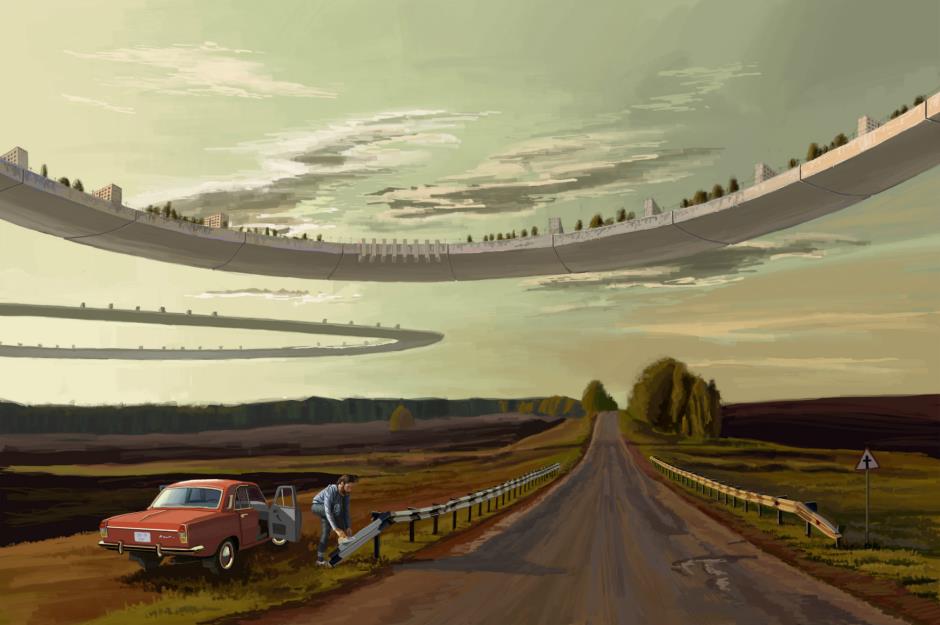
"We are flat surface creatures," says the architect. "Sometimes I feel that we crave it so much that the planet is going to be turned into pavement so cars can go anywhere, and our industries could continue expanding. The "Saturn Rings" in my proposal represent these flat surface desires but in a more poetic, optimistic, and friendly manner."