Top-secret, expert-approved interior design tricks
Expert interior design tricks for a dream home
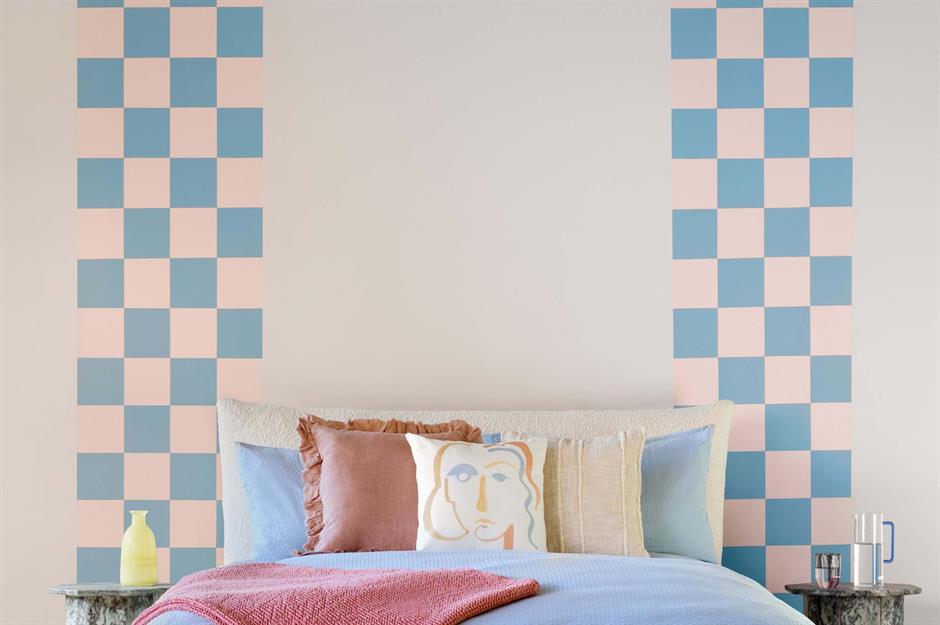
It's said there's a world of difference between a room designed by a professional interior designer and one done by a home decorator. From balancing colour schemes to hanging artwork, planning lighting and even positioning curtains, designers have a box of tricks that can turn an average scheme into a fabulous space.
We've rounded up some of the trade's best-kept secrets for you to take your own décor to the next level.
Click or scroll through but, shh – just keep it quiet...
Highlight woodwork
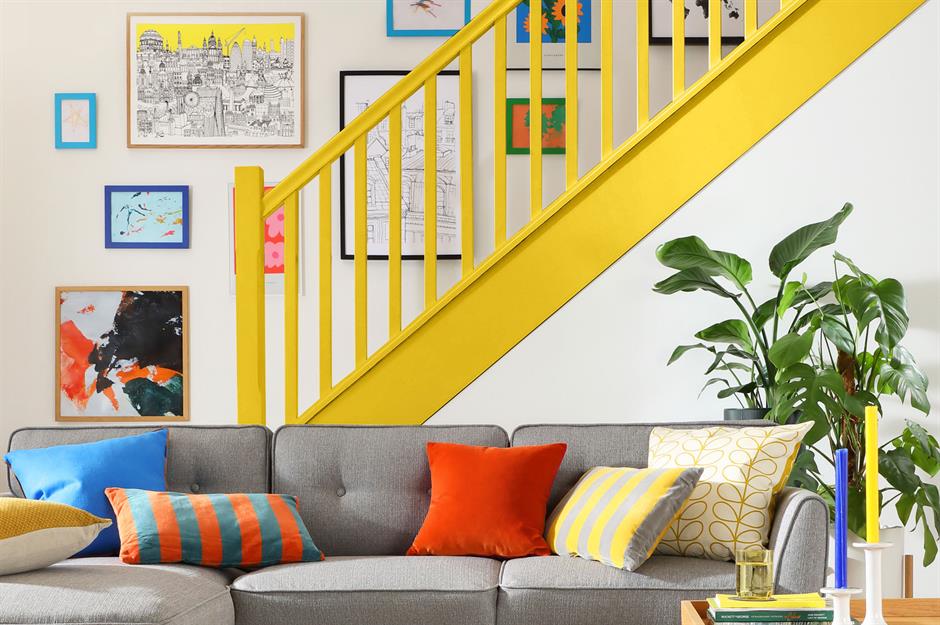
Skirting boards, banisters and door frames are often an afterthought and lack interest. Why not brighten them up instead with a fresh face of colour?
This contrasting staircase painting sunshine yellow is a fabulous feature in an open-plan living room. When choosing brighter colours it's best to stick with a matt or satin finish rather than gloss.
Don't forget windows
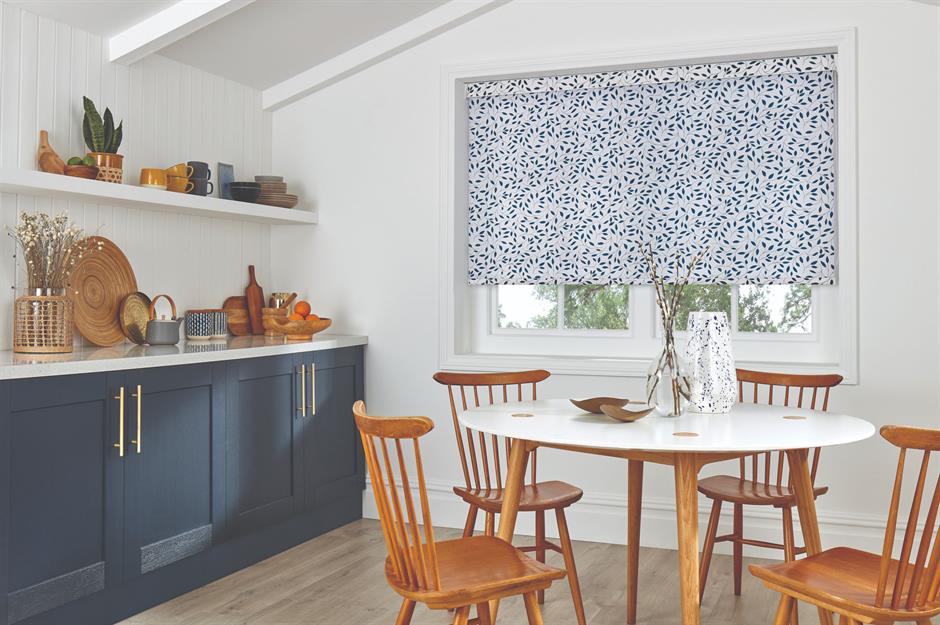
A window treatment is a fabulous place to inject a shot of pattern or colour into an otherwise simple scheme. It's a less permanent option and offers intriguing attention to detail.
Owner and founder of Ada & Ina, Soile Makkonen says: "Well-chosen window treatments can complement the interior of a room, tying together different elements and creating a cohesive look. They help control the amount of natural light entering a room, which can reduce glare, protect furniture from sun damage, and create a pleasant ambiance. Choose colours and patterns that complement the room's decor. Neutral tones can create a calm atmosphere, while bold colours or patterns can make a statement and add character to the room."
Sponsored Content
Work around a hero feature
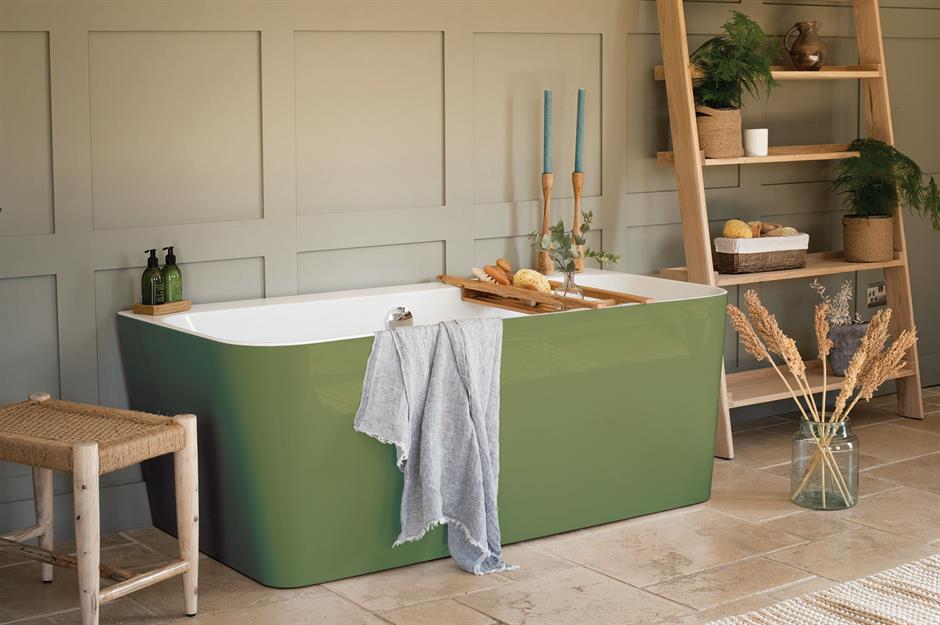
Choose a star product to be your feature as the main focal point of the room. Then use other items to blend into the backdrop to create a calming vibe rather than a cluttered one. This striking green bath makes a striking focal point that's supported perfectly with tonal wall panels and leaning storage.
Learn the art of symmetry
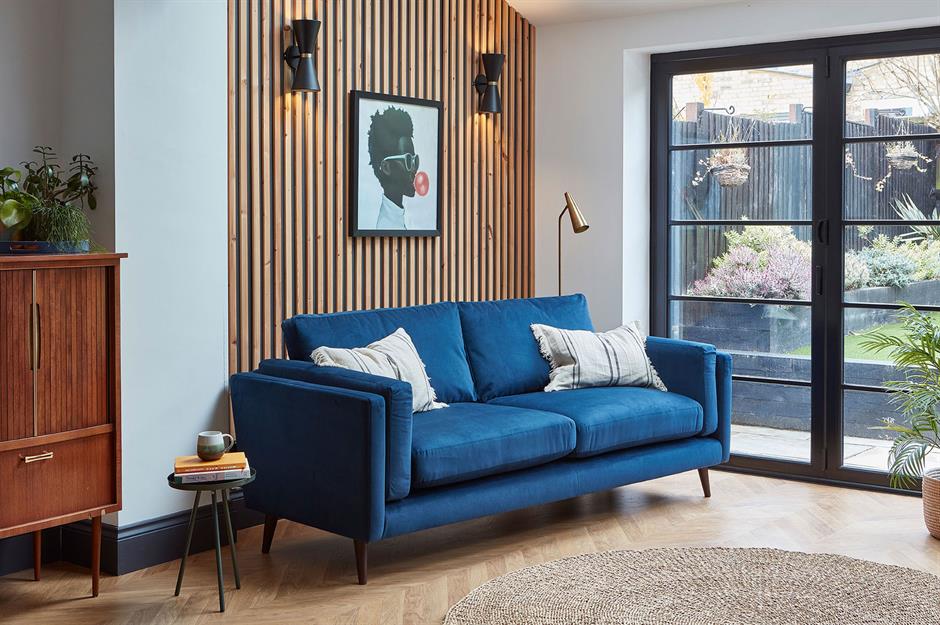
Symmetry can work in smaller spaces to offer balance and elegance. For instance, this living room nook with symmetrical wall lights has become a smart feature thanks to horizontal and diagonal lines that follow a pattern.
Play with pendant lighting
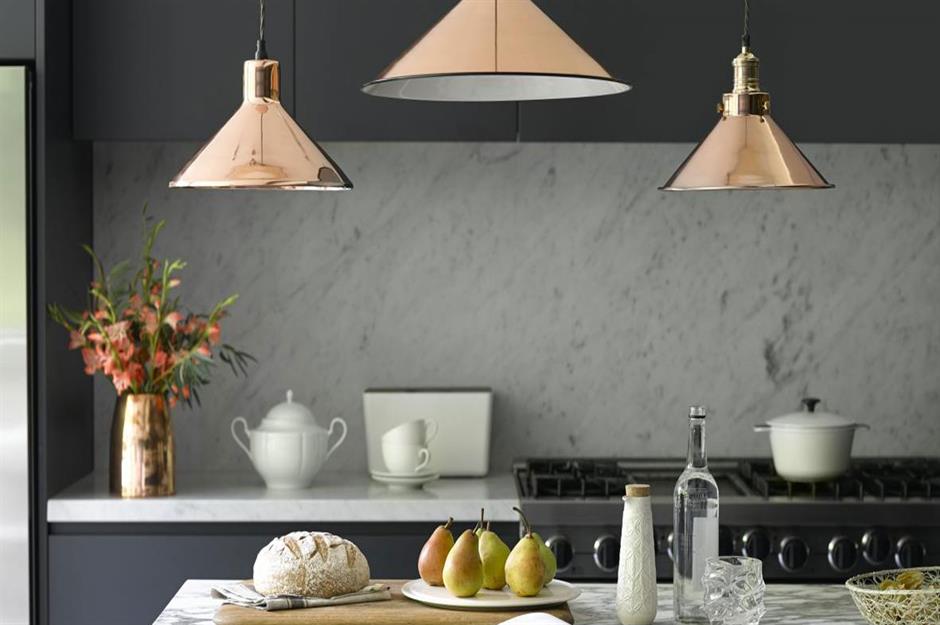
One of the most common questions interior designers are asked is how high to hang pendant lighting. The answer depends, to some extent, on the size and style of your light, the height of your ceilings and the height of the people living in your home, but here are some useful guidelines: in a living room or hallway, hang your light about 7.9 feet (2.4m) from the floor, above a dining table, leave about 2.5 feet (75cm) between the tabletop and your pendant.
If you're hanging pendant lighting above an island for statement kitchen lighting, leave about 2.6 feet (80cm) between the countertop and the bottom of the light shade.
Sponsored Content
Tile walls and floors with the same tiles
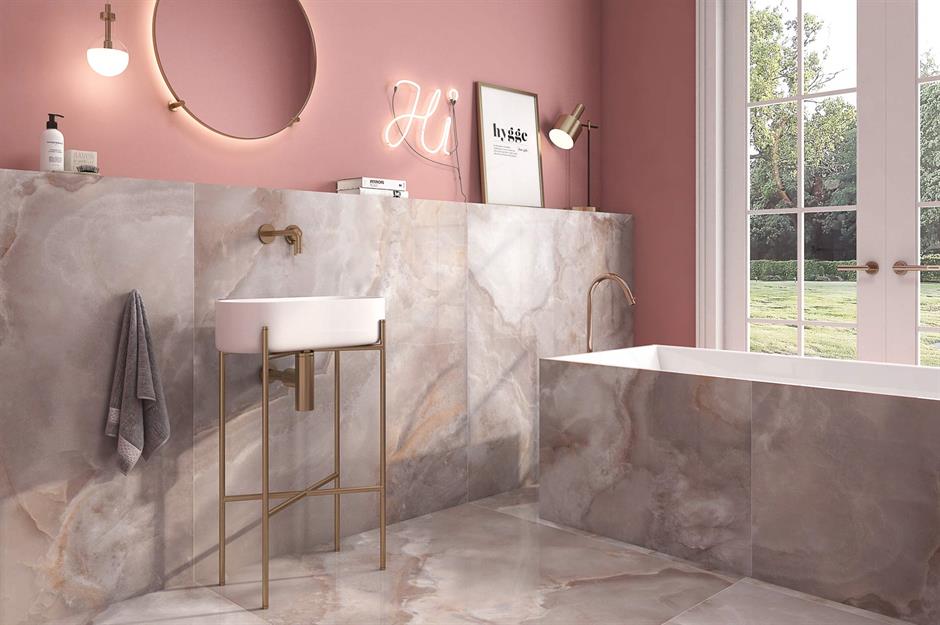
Who says you can't use the same patterned tiles on both walls and floors?
Carry them up from the floor to the ceiling for a standout yet seamless design with maximum impact. Hotel designers often use this trick to increase a sense of space.
Pay attention to hardware
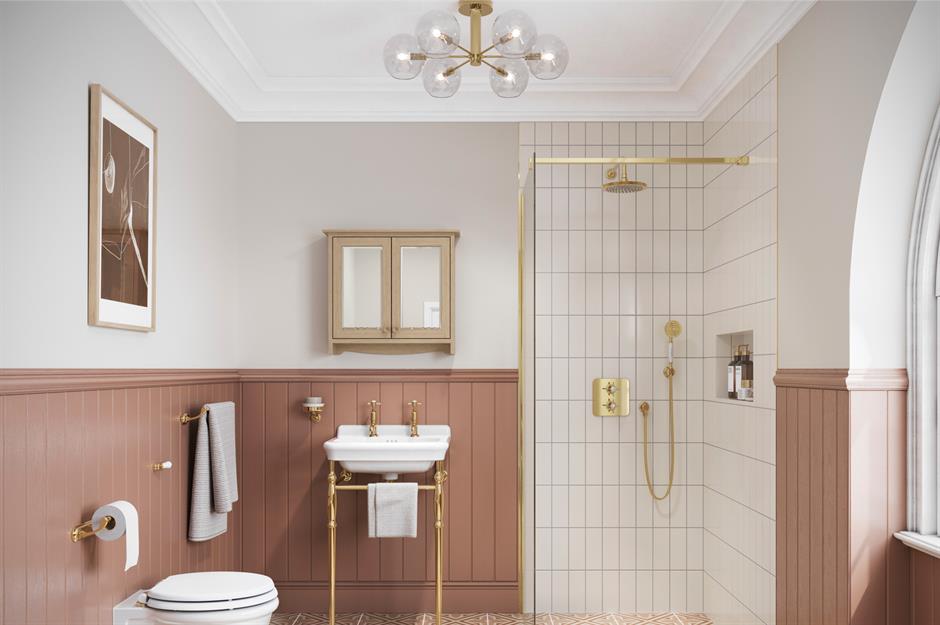
Updating hardware in kitchens and bathrooms with shiny metallics or matt black finishes will add an air of luxury and finesse to the room and create an instant high-end vibe.
Team gold toned fixtures and lighting with a Victorian-style vanity basin for a traditional yet high-end bathroom scheme.
Stick with classics
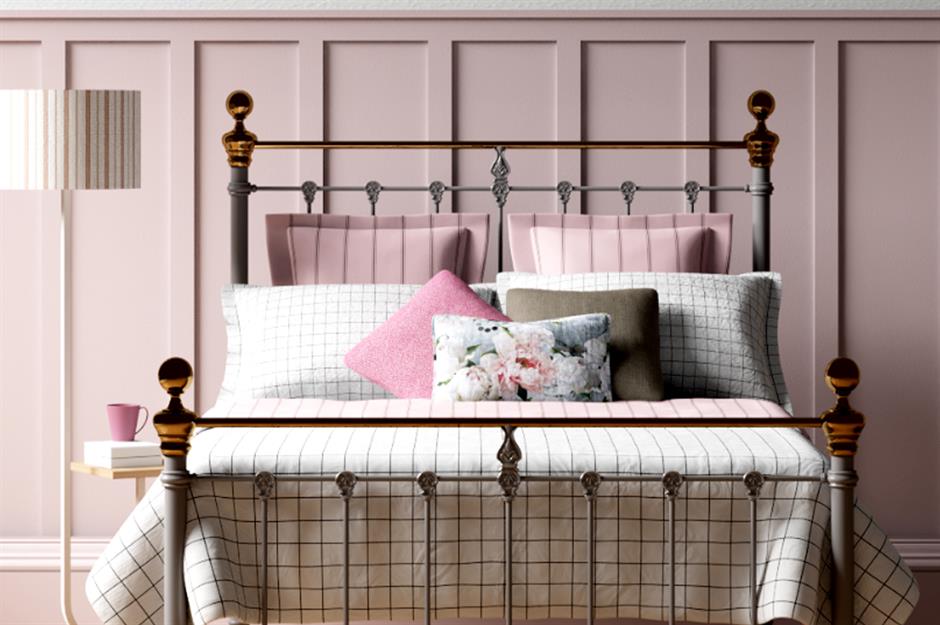
Although it can be fun to follow trends sticking to traditional furniture is sensible if you are on a budget as the staple piece will not date.
Timeless pieces, like this low footed iron bed with brass finials will give a room character when teamed with eclectic accessories. Why not invest in an eiderdown quilt to finish the look?
Sponsored Content
Use rugs wisely

Rugs are the ultimate way to draw an interior design scheme together, but go too small and the rug will look lost and your scheme will fall flat. Ideally, a rug should be big enough that some or all of your furniture’s feet can sit on it.
Consider using rugs in different ways, too – whether it's a few overlapping each other or even hung in place of wallhangings. When using rugs like this Swedish-style one in thoroughfares and hallways ensure anti-slip fabric is placed underneath to avoid accidents.
Invest in a headboard
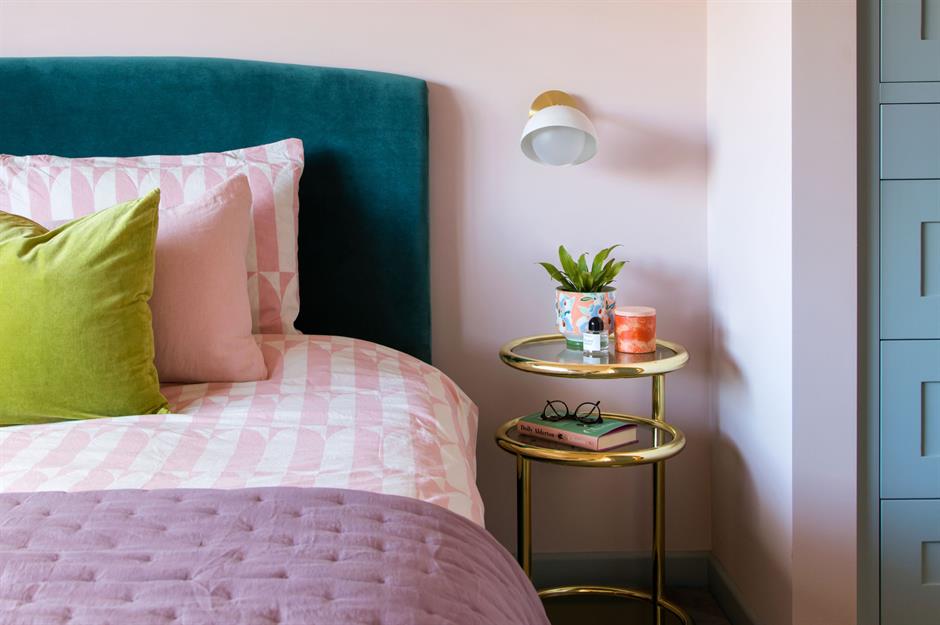
To give your bedroom a sophisticated hotel vibe invest in an upholstered headboard that's smart and looks luxurious. A standalone frame will cost less than an expensive bed but offer the same striking results.
For a punchy finish, choose a shade that contrasts with the back drop. This teal-toned velvet headboard looks divine set against this Serene Peach painted wall.
Layer up an outdoor room
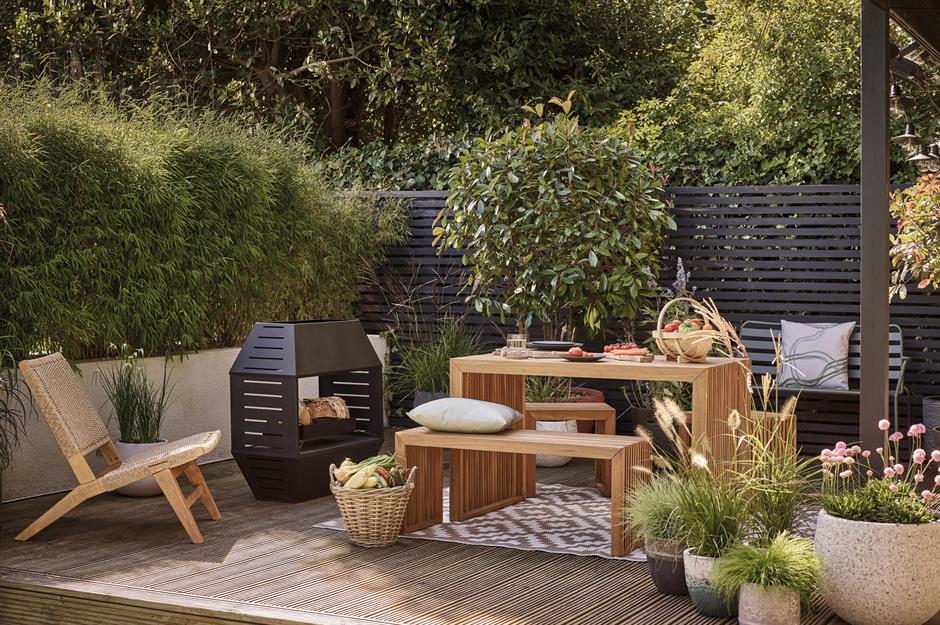
Planning an alfresco dining room for outdoor entertaining? Treat your exterior space as you would a living room scheme and factor in rugs, lighting, comfortable seating, a dining set and areas to pop drinks.
Paint fences, light a firepit, display artwork (you can buy prints specifically for outdoors, to survive the elements) and hang plants. Lastly, use an outdoor rug to ground the scheme.
Sponsored Content
Start with a neutral backdrop
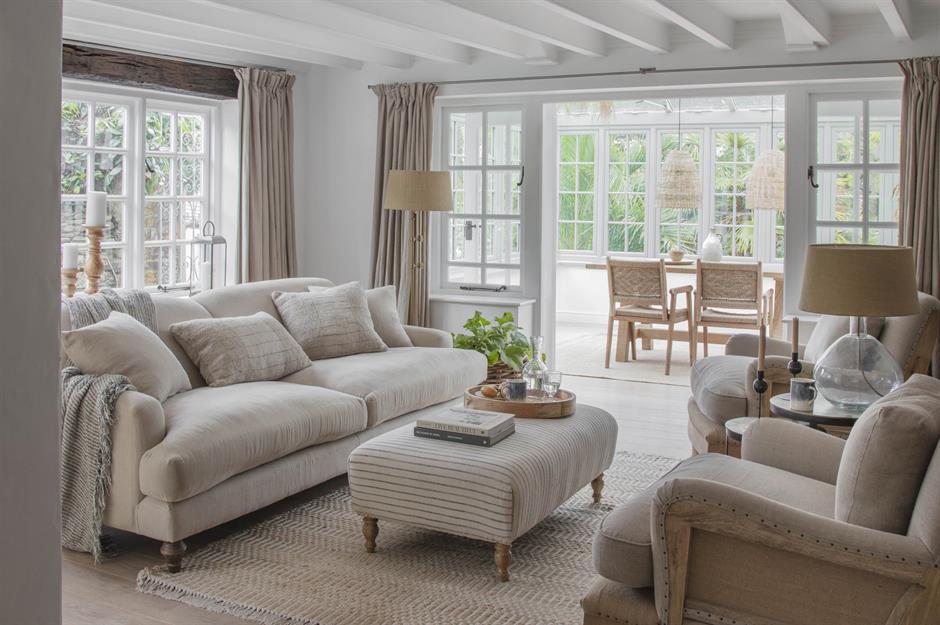
Interior design guru, Joanna Gaines, knows a thing or two about creating a gorgeous home. In her book Homebody: A Guide to Creating Spaces You Never Want to Leave, she suggests starting with crisp white walls, since they "can actually provide a neutral and clean foundation to design around that other colors can’t, giving you more freedom to get creative with decor.”
There are hundreds of whites, creams and greys to choose from, so all you need to do is decide which is right for you. Ensure you add texture and comfort with layers of inviting soft furnishings.
Balance bathroom lighting
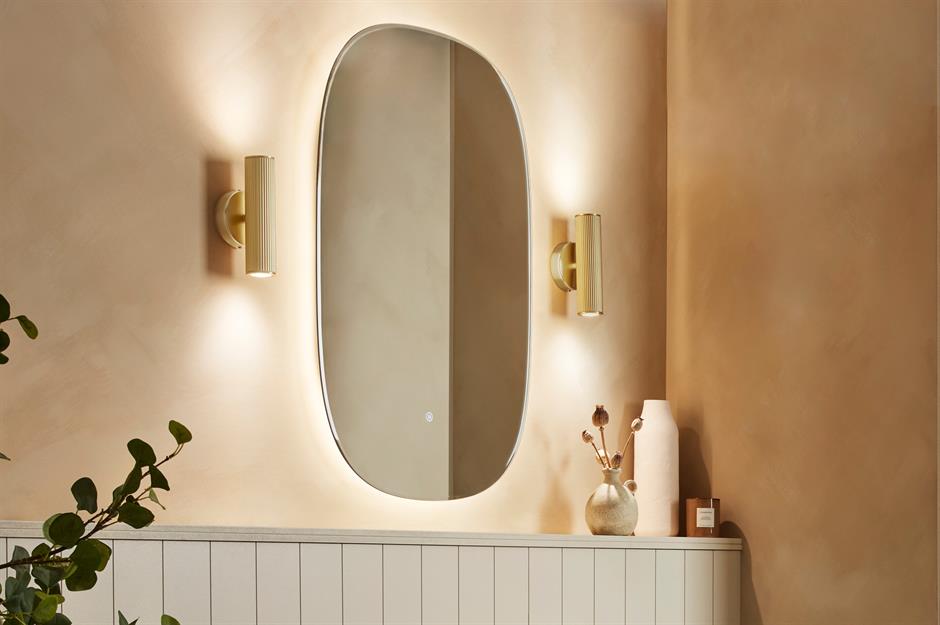
Not many of us would claim to look our best in the morning, but you can give yourself a head start by getting your bathroom lighting right. Never hang a bathroom sconce above the mirror – it will only make you look washed out.
Instead, install sconces on either side of the mirror as they'll light your face evenly and frame you in your most flattering light.
Layer soft texture
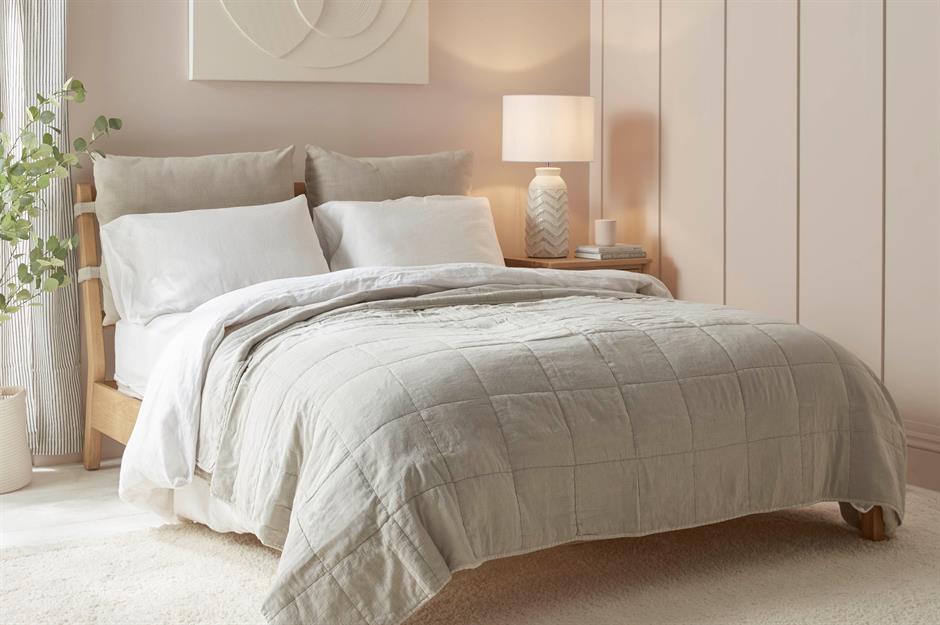
Texture is key to creating successful design scheme, especially if you're working with neutral colour palette.
To keep a room interesting, start with a natural oak bed with feature fabric panels and incorporate different tactile materials throughout the space, from soft woollen throws to silky cushions or rough exposed brick walls to glossy mirrored finishes.
Sponsored Content
Opt for non-toxic paint
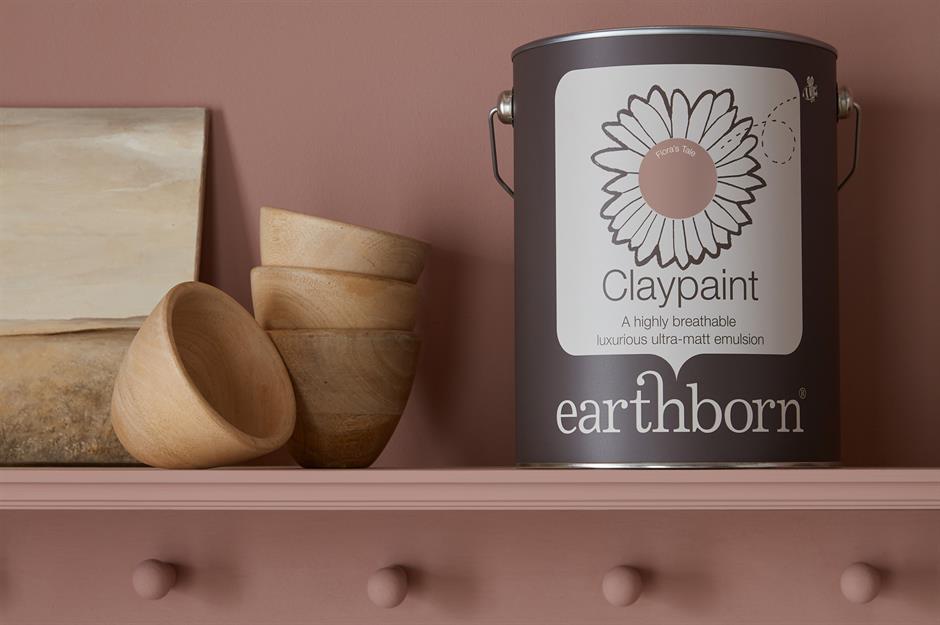
When choosing paint, it’s easy to put colour first and forget other factors, such as how the paint might affect the environment or your health. Consider buying paints made from natural materials that contain no (or very low quantities of) harmful volatile organic compounds (VOCs).
They may be a bit pricier, but they’re a worthwhile investment, especially for a children’s room or when decorating a nursery. Plus, there is no need to compromise on colour, this vintage dusty pink will take you on a trip down memory lane.
Always order samples
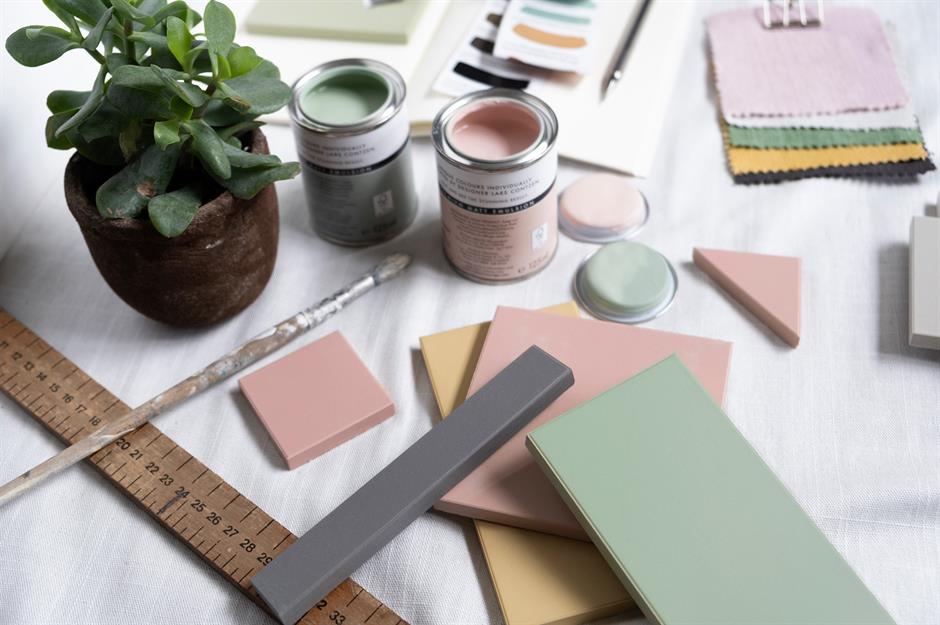
It might sound obvious, but many home decorators overlook samples when overcome with excitement about transforming their interiors. From wallpaper and paint, to flooring, tiles and fabrics, you should always order a selection of samples before committing to any specific material.
Place the samples together, look at their quality and visualise how all the elements will work together in the room. You could even get crafty and create a moodboard, full of all your favourite swatches.
Go large with wall art
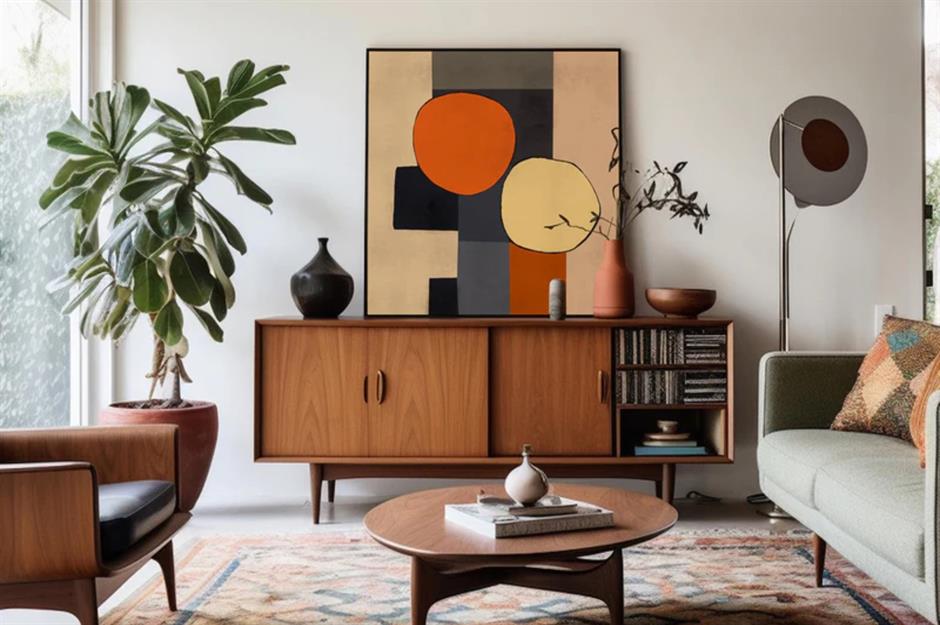
When it comes to art, it’s very much a case of the bigger the better. You can fake it to some extent by clustering smaller pictures into a gallery wall, but nothing compares to an oversized framed artwork that grabs your attention the moment you step into a room.
If oversized art is outside of your budget, try offsetting a smaller piece above a sideboard or sofa – hanging it centrally will make it look lost.
Sponsored Content
Measure dining room dimensions
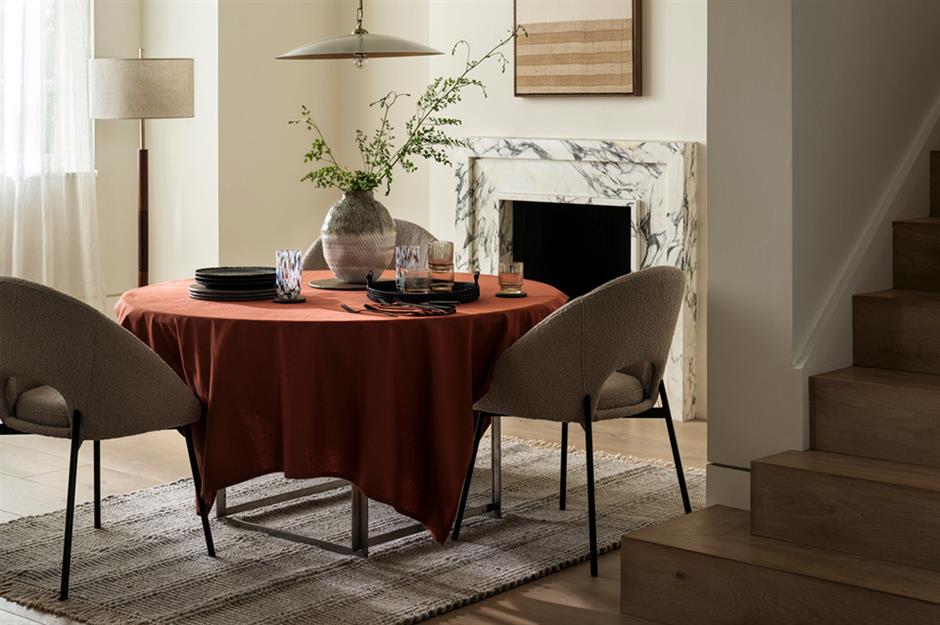
Dining tables often get squeezed in as an afterthought, but it’s worth thinking carefully about how much space you need to avoid bumping elbows while you eat.
The ideal dining table height is 2.4 feet (74cm), with 1.5 feet (45cm) of legroom and 2.5 feet (75cm) of space between the table and the wall so you can get up and sit down comfortably. Each place setting should be about 2.1 feet (65cm) wide.
Upcycle drab furniture
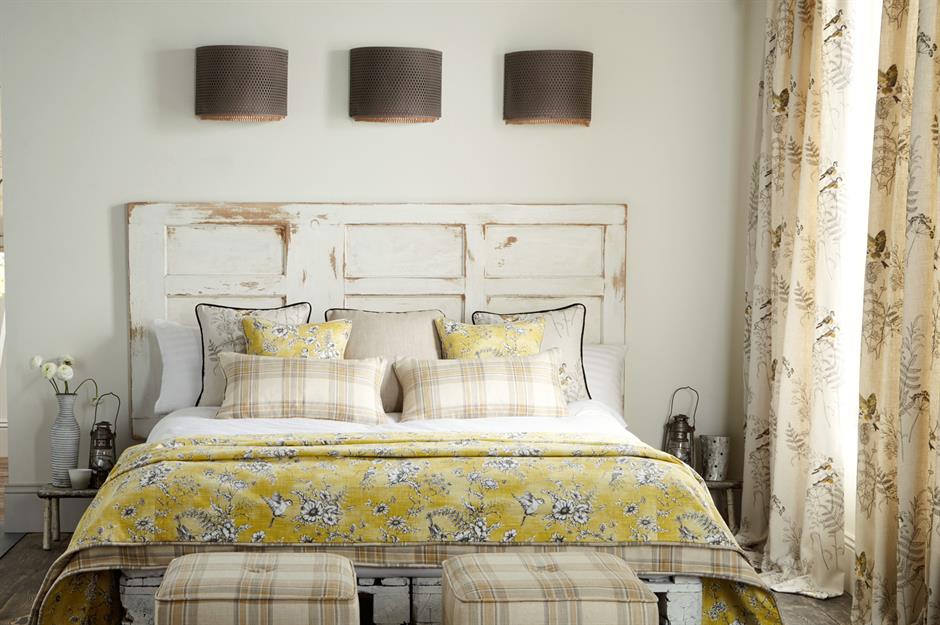
Being able to transform old furniture is an interior decorator's secret weapon. Whether turning mass-produced flat-pack designs into one-off pieces or sprucing up junk-shop bargains into shabby-chic heirlooms, like this old door that is now the rustic headboard to a pretty bed dressed in spring fabrics.
Repainting furniture is a simple way to add colour and character to your home at rock-bottom prices. Go for an all-in-one paint that doesn't need primer to cut down on prep time.
Style book shelves right
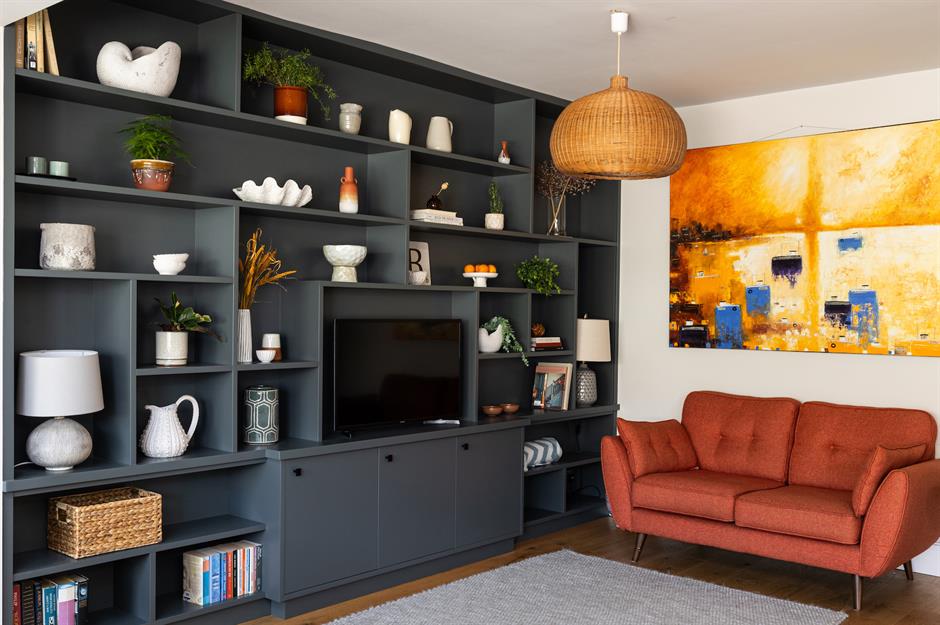
Learning the art of display makes the difference between practical storage and a beautiful feature. Here's how to make your painted media bookcase and bookshelves Instagram-worthy. Do not overcrowd the space, choose accessories in the same colour and group items together in odd numbers.
Use books as objects and exhibit them both horizontally and vertically for interest. Aim for two-thirds books, one-third accessories and make sure to include either plants, foliage or flowers too.
Sponsored Content
Wallpaper the bathroom
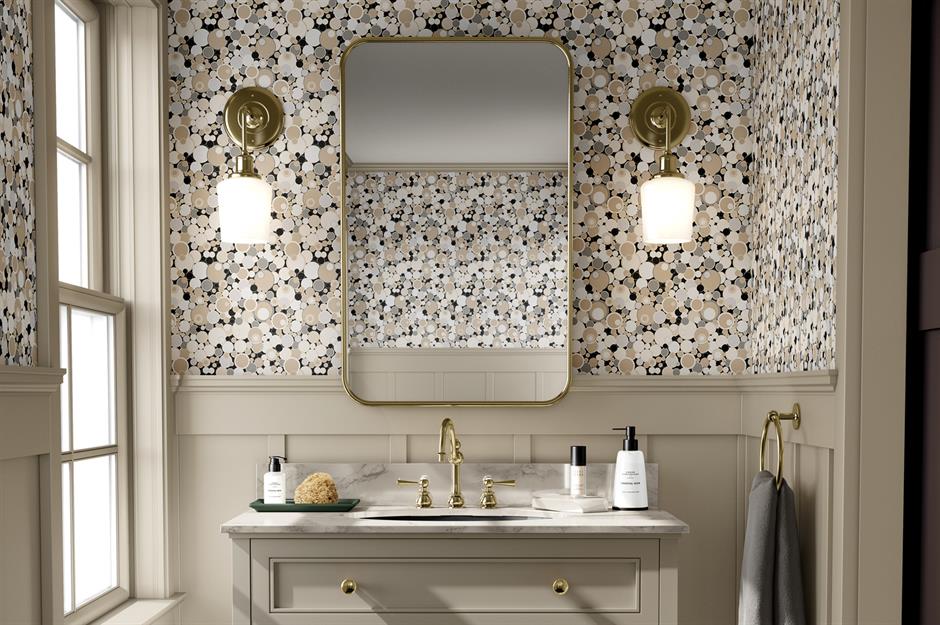
You don't necessarily need to stick to tiles in the bathroom. Wallpapering bathroom walls can make a beautiful style statement and it's a great place to use bold pattern and colour you might not use elsewhere.
Large prints look especially striking in small spaces so feature wallpaper can transform downstairs loos. Look for specialist bathroom wallpaper that is wash and splash-resistant.
Get creative on walls

Whether it’s painting chequerboard squares on a wall, as shown here, creating a detailed mural or going for a freestyle pattern of monochrome dashes, there are so many ways to use paint to create an innovative look on a budget.
Think outside the box and carry your painted effect onto ceilings, around corners and onto door frames for added interest.
Start with a statement sofa
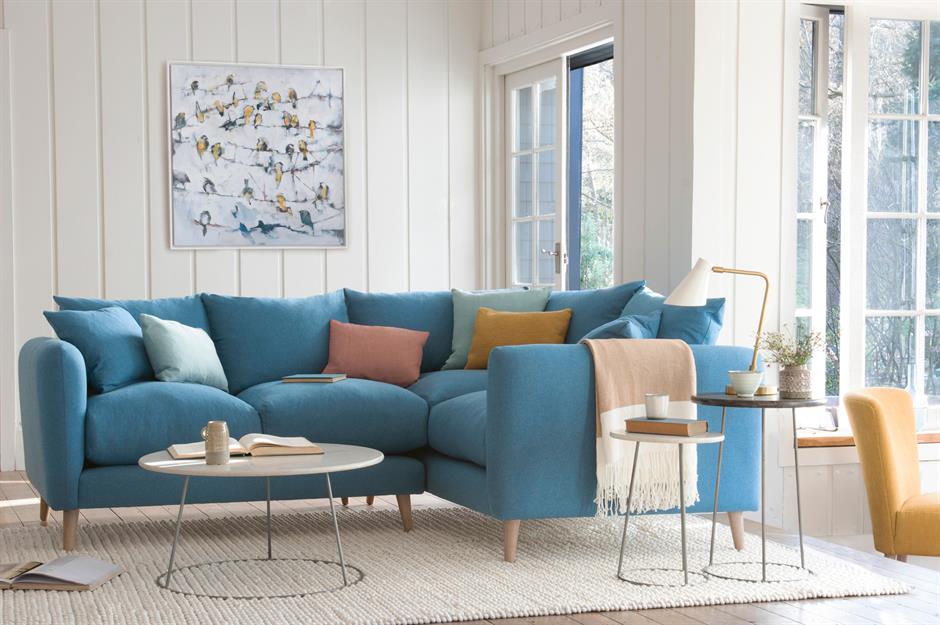
Trying to design a successful open-plan living space? When you're working with a blank canvas, it can be difficult to decide where to start. Rather than getting bogged down with accessories in your living room, start with the sofa.
Usually the largest piece of furniture in the room, it's easiest to plan your layout around this key feature. When it comes to positioning, consider the light, thoroughfares and any views you might want to utilise. This also works for other rooms, whether it's the bed in a bedroom or a dining table in an entertaining area.
Sponsored Content
Accentuate with curves and arches
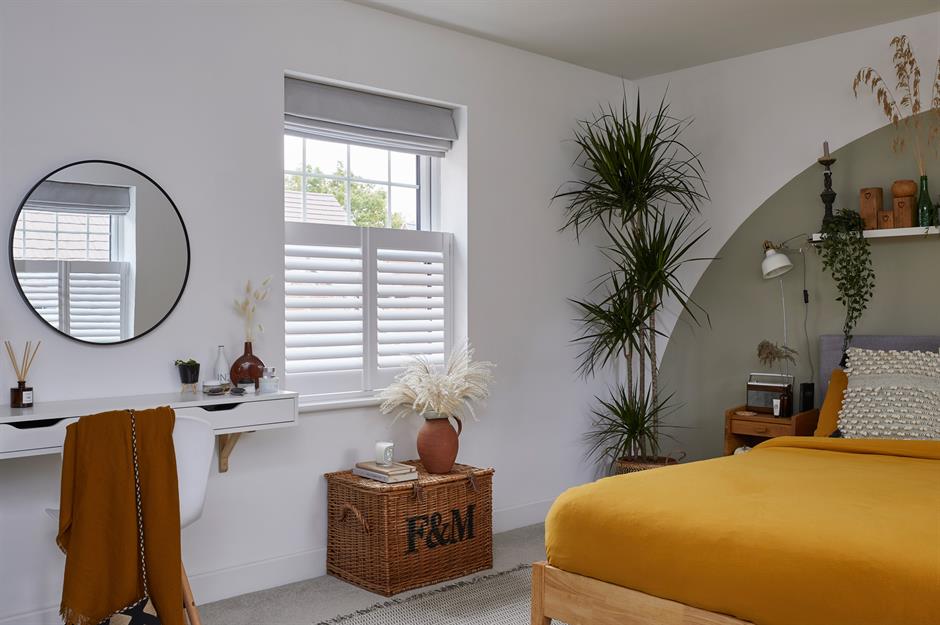
Curves, circles and arches are having their moment, adding a softness to interiors that look both modern and classic.
We love how this clever bedroom design highlights the bed with a a cool painted feature. The circular mirror cleverly echoes the curve of the paint effect, while cute cafe shutters add juxtaposition.
Embrace dark colours
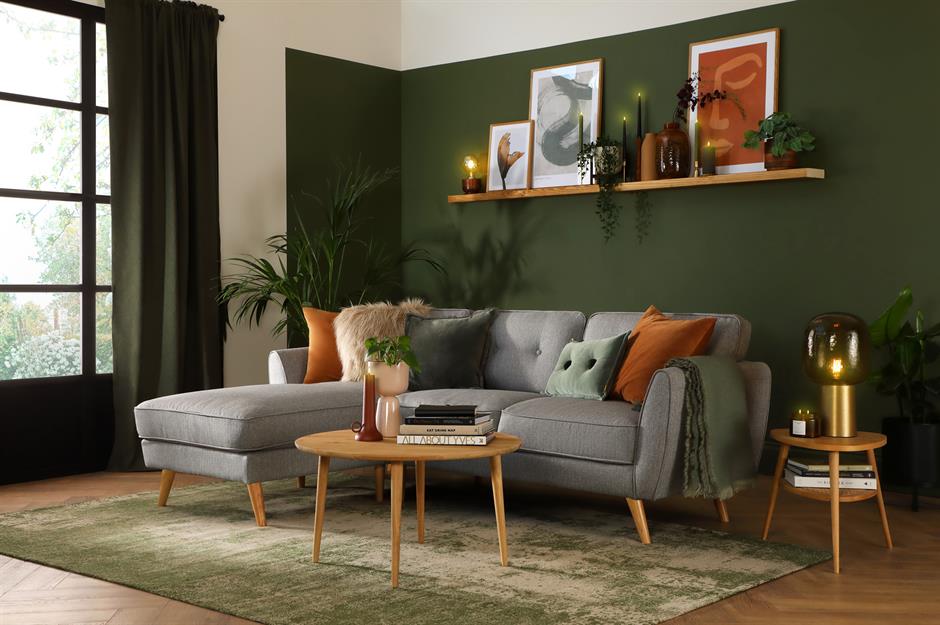
What’s the best way to make the most of a dark room? The instinctive answer might be to paint it bright white to reflect as much light as possible. But this can give a dingy room an off-putting, grey-ish tone that feels needlessly gloomy.
Instead, embrace the dark side and paint your walls in deep, rich hues to create an irresistibly cosy scheme that draws you in. Lighten the mood with a neutral-toned sofa, a few bright accents, bright ceilings and make sure you include plenty of layered lighting.
Make flooring cohesive
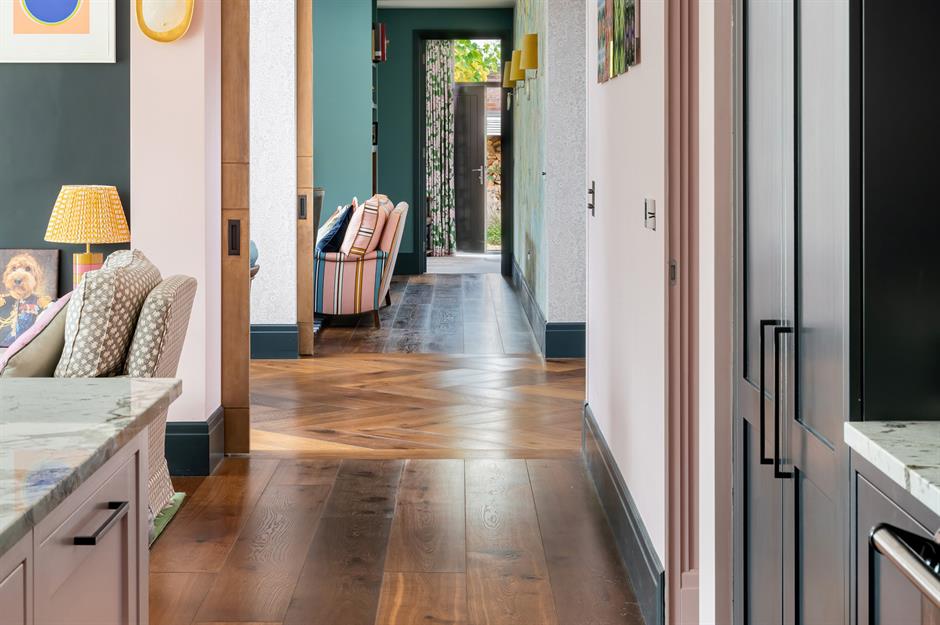
Using the same flooring throughout different rooms or areas in your home is an easy way to make the space feel much bigger than it is as well as create flow as with this rich-toned natural wood floor.
If you have large, open-plan rooms, use rugs to break up the continuity and divide the space according to use. This will create the impression of distinct sitting and dining areas that still pull together as part of the same, larger whole.
Sponsored Content
Map out a gallery wall
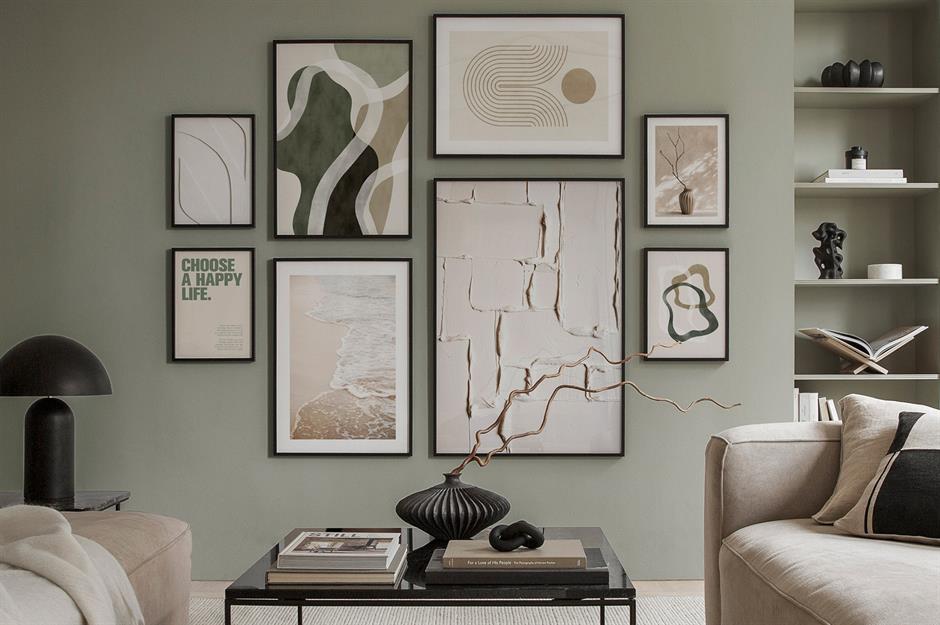
A staple in the interior design repertoire, the gallery wall is an exercise in creativity and balance – but not even the experts get it right the first time. To achieve that Instagram-worthy display, map out your design beforehand.
Cut out cardboard templates of each frame you want to hang and arrange them across the wall with Blu Tac until you find a combination that works, then simply swap for the real thing. Alternatively, why not buy a pre-selected gallery wall and follow the advised layout?
Remember the power of three
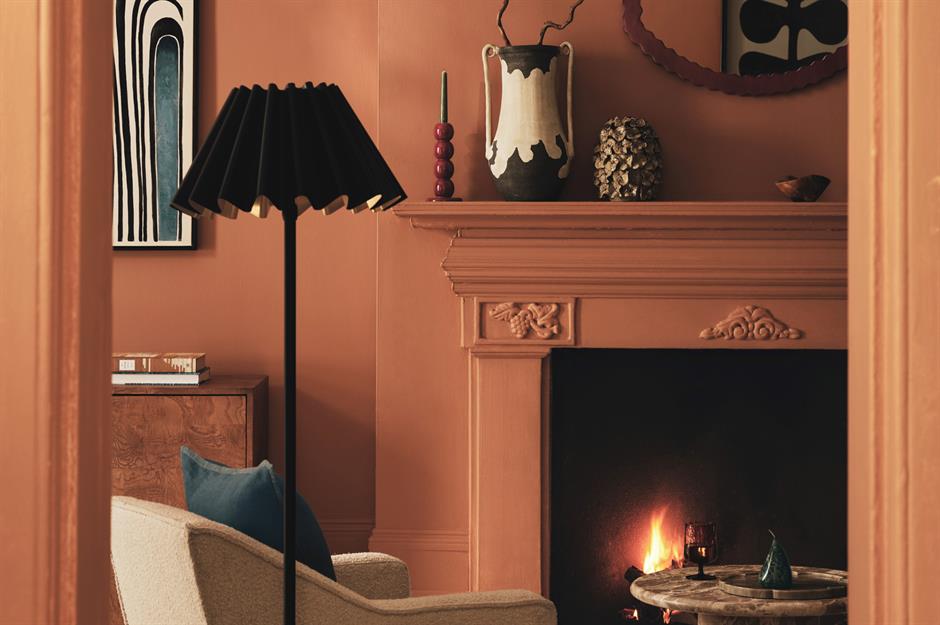
Three is most definitely a magic number when it comes to design – as are odd numbers in general.
Grouping odd numbers of items – be it colourful cushions or interesting vases and candles – forces the eye to move around the display, creating a level of visual interest that symmetrical, even-numbered arrangements simply can’t compete with.
Design around your line of sight
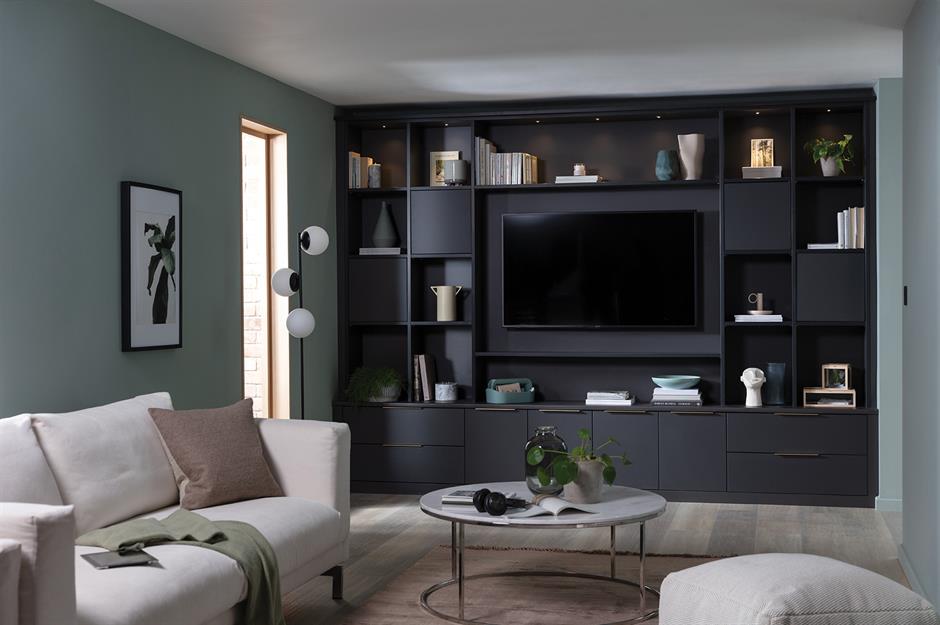
The best height to hang or stand a TV is at eye level in the position you’ll be watching it from. So in your living room, you’ll want it at the same height as your head when you’re sitting down or just above. Bespoke built-in shelves make a wise investment and incorporates the TV into a scheme, making it less obtrusive.
In a kitchen, you might want to hang it at your eye line when you’re standing or sitting at a breakfast bar. The ideal TV viewing distance is about 1.5 times the diagonal span of your TV screen.
Sponsored Content
Plan throughfares
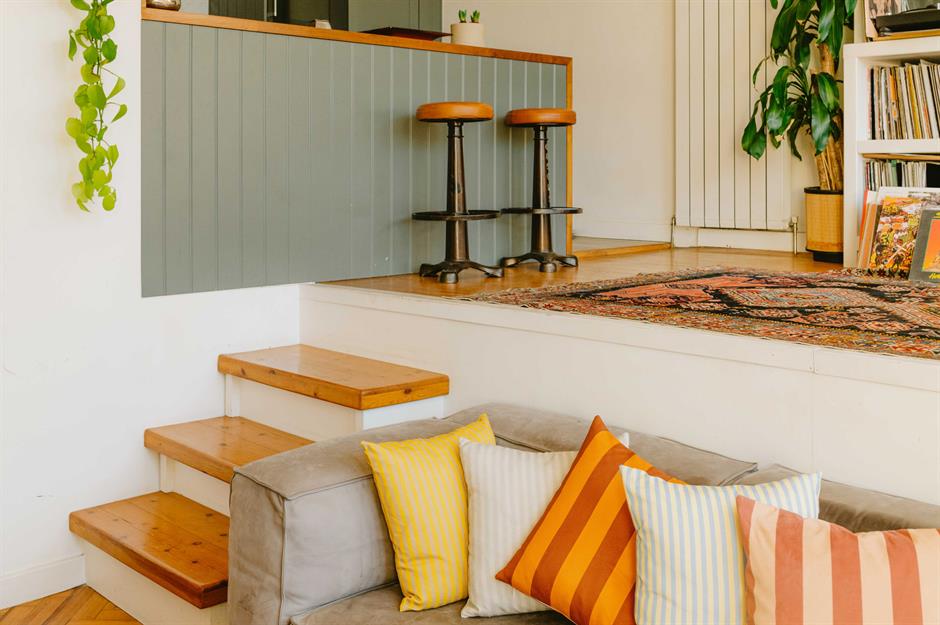
One of the most common design mistakes that non-designers make – especially in open-plan spaces – is cramming too much furniture into an area without leaving enough room for people to walk around comfortably.
The most frequently-used thoroughfares in your home should be at least 90cm wide – just enough for two people to pass each other. Alternatively offer open plan areas close by narrow links like steps to make movement practical. This split-level room softened with muted colours and furnishings has nailed the method.
Let the floor do the talking
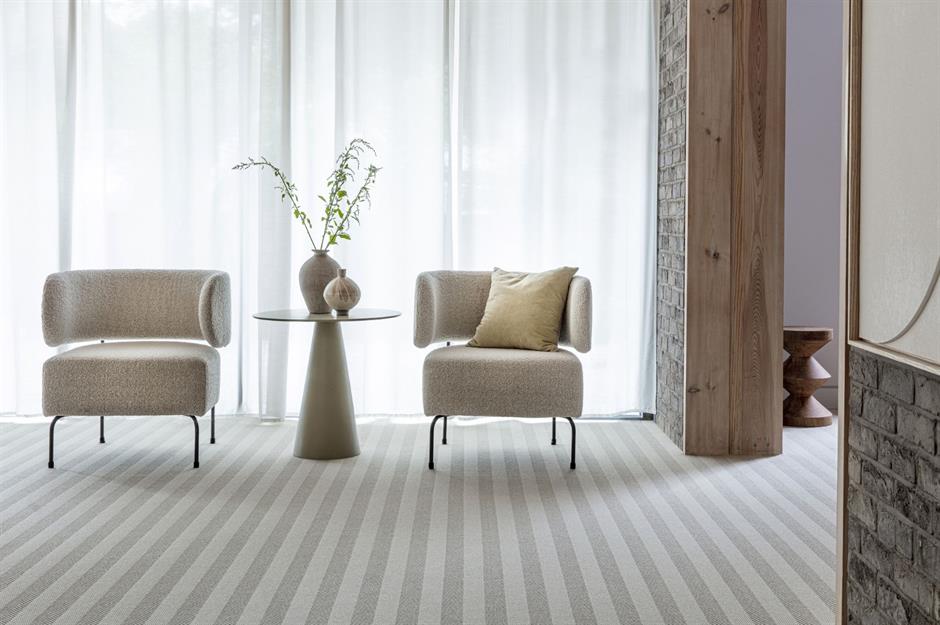
Just like ceilings, floors are often left as an afterthought in decorating schemes but a statement floor can create striking results that will add wow-factor to the room.
The key is to incorporate balance, for instance, if the flooring is busy pattern make sure the rest of the room is pared back and neutral. Look for furniture pieces with a small footprint and lift what you can off the floor.
Spin the colour wheel

The colour wheel is an interior design essential. It can help you to plan your colour pairings or guide you out of a design rut when you’re struggling for inspiration.
Use it to help you come up with complementary schemes (using colours from opposite sides of the wheel), analogous schemes (using colours next to each other on the wheel) or bolder schemes such as split complementary or triadic, which use three colours. This funky duvet proves colours don't have to be in the same tonal set to work wonders.
Loved this? Check out these incredible decorating tricks