Hidden hazards lurking in your home
Can you spot the dangers?

Most homeowners are aware of common household hazards, such as faulty wiring and wet bathroom floors. But, before you kick back and relax, remember there could be plenty more health risks that aren't quite so obvious to the naked eye.
Click or scroll through these hidden home dangers and discover what you can do to make your property safer for the whole family.
Wood burners

Wood burning stoves look cosy and appealing, but they can also be a hazard to your health and the environment. They release two types of pollutants: gases and particles, which go into the air.
Burning wood or coal in your home releases carbon monoxide, nitrogen oxides, and carbon dioxide, which are all linked to negative environmental and health outcomes, including some cancers.
To minimise the risks, make sure that your chimney is swept at least once a year to reduce the emissions it releases. Clean the burner regularly too. Make sure your home has a working carbon monoxide alarm. This will alert you if your stove is releasing this poisonous gas.
Bathtubs

Bath time accidents are all too common. Tubs are usually made of acrylic, fibreglass, cast iron or porcelain-enamelled steel; all of which are smooth, hard surfaces. Combine this with water and wall and floor tiles, and you've created a slippery and dangerous environment for anyone unsteady on their feet.
To minimise the risk of falls and injury, use bathmats both inside and outside of the bath, install handrails where possible and never leave children unattended around bathwater. You can even purchase an anti-slip treatment to apply to your tub to reduce slips.
Sponsored Content
Air pollution

When we think of air pollution, we think of big cities, but there are, in fact, many impurities that can pose a major health risk in our own homes. Airborne particles from radon (a natural, radioactive gas), tobacco smoke and gas-burning appliances can land on our skin and transfer, through breathing, into our lungs.
Adding a purifier can help with this, circulating the air in the room and trapping potentially harmful gas particles in its filters.
Bathroom products
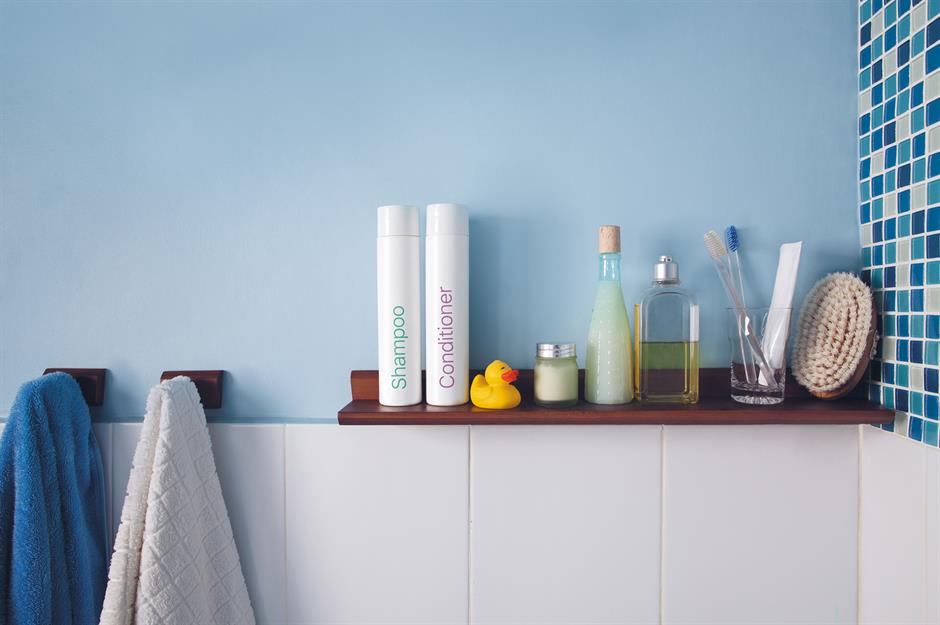
Few people realise that commonplace products for the hair or bath can have significant health implications.
According to the Campaign for Safe Cosmetics, chemicals such as formaldehyde, formaldehyde-releasing preservatives, and 1,4-dioxane (often found in shampoos and liquid soaps) can cause organ-system toxicity, skin irritation and even cancer.
Also, the colours can look appealing to little ones, so always store bathroom products up high.
Dead batteries
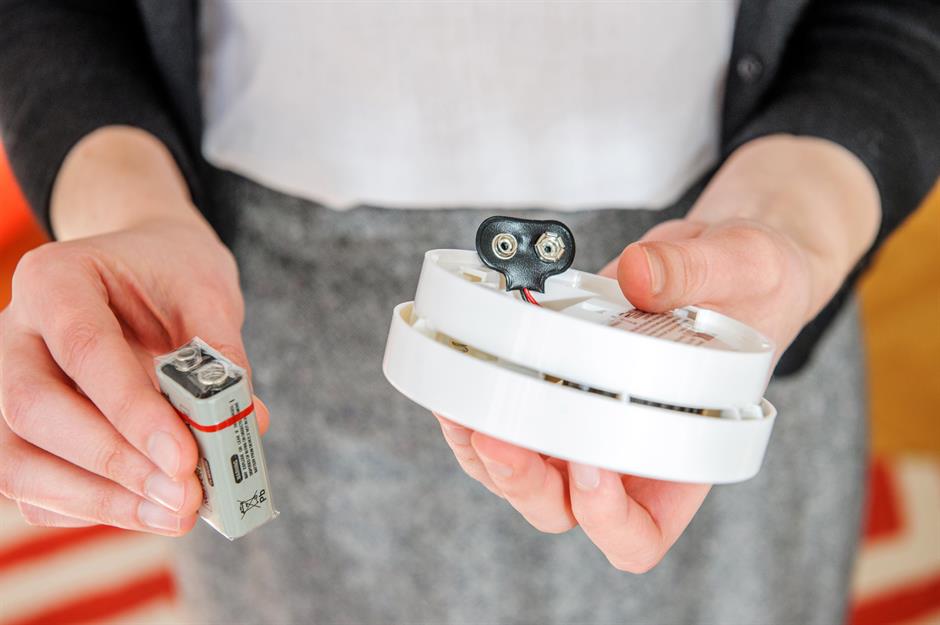
The UK Fire Service states that you are twice as likely to die in a house fire in a property that has no smoke alarm. But, once installed, how often do you test your fire and smoke detector and change its batteries?
An easy way to remind yourself is by getting into the habit of testing your alarms every time the clocks change. For optimum safety, change the batteries at least once per year and buy a completely new smoke alarm every ten years.
Sponsored Content
Carpet

Carpets add comfort to our homes, but did you know they can be a home hazard? Familiar with that new carpet smell? Standard carpeting is made from synthetic fibres and contains flame retardants, stain guards and dyes which can create a cocktail of chemicals.
When you buy a new carpet, make sure your home is well ventilated with plenty of fresh air circulation. Then, remember to keep it clean: dirty carpets can lead to a whole host of nasties such as moth infestations, dust mites and mould.
Dust

Dust mites are microscopic organisms that feed off our house dust and the moisture in the air. They are one of the most common indoor allergens, not only causing asthma and respiratory problems, but also eczema.
Manage a dust allergy by removing carpets and heavy curtains, and using mite-proof mattress protectors and pillowcases. And most of all, vacuum, vacuum, vacuum.
Bathroom mould
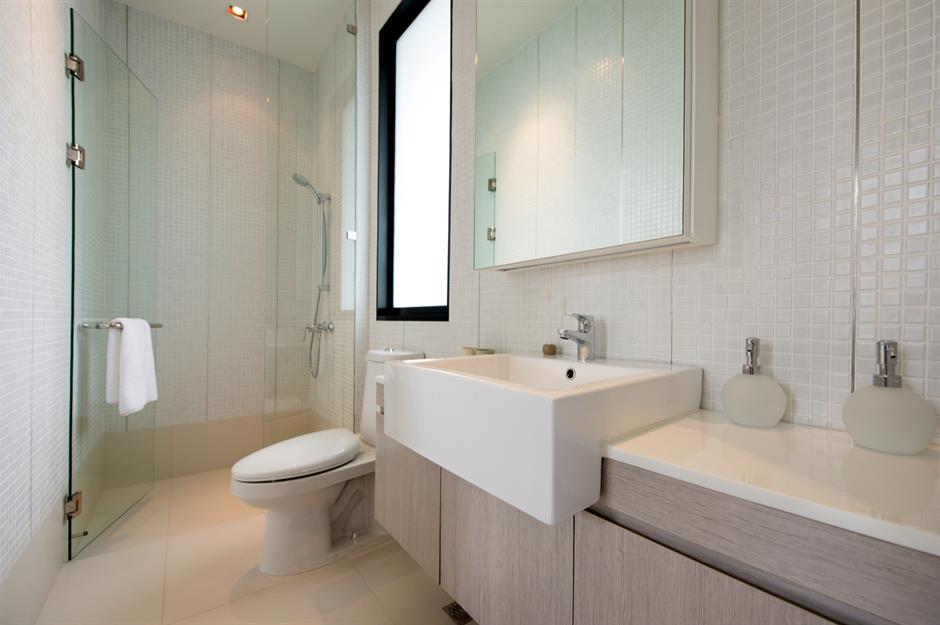
Your bathroom should be a sanctuary, but unfortunately, with all that moisture and warmth, it's a breeding ground for mould and mildew too. Not only is the slimy residue unsightly, it's a serious health hazard.
Mould can cause respiratory problems and infections, allergies or asthma, as well as affect the immune system.
Tiles and bath sealants are particularly susceptible, so clean regularly and wipe surfaces down with a cloth after bathing. Leave the windows open during and after cleaning up.
Sponsored Content
Poisonous garden plants

Who'd have thought your beautiful garden beds could be home to foul flowers and pernicious plants ready to strike. Some plants will give you a nasty tummy ache if accidentally consumed, so it's advised to take care and use gloves when tending them.
The most poisonous plants in gardens are foxgloves, deadly nightshade, and monkshood.
Mirrors
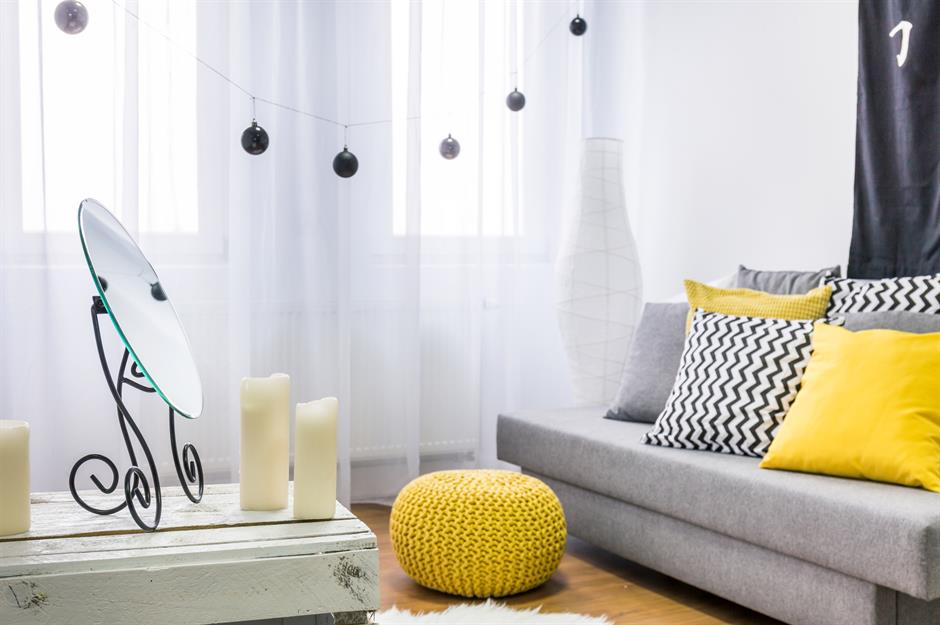
However chic your setup might look, you should also think about safety when organising mirrors and glass in your home. Placing these objects in direct sunlight poses a major fire risk, especially if there are flammable soft furnishings nearby.
Keep mirrors and other glass trinkets away from windowsills and close blinds or curtains if you're headed out on a hot day.
The fridge

How you organise your fridge has a serious impact on the food in it and on your health. The Good Housekeeping Institute suggests using the top shelf for deli and cooked foods, the middle for dairy products, the bottom (the coldest part) for wrapped raw meat and fish to avoid cross-contamination, drawers for vegetables, salad, and fruit, and the door shelves (the warmest part) for condiments and jars.
The coldest part of the fridge should be below 5°C or 41 °F, and beware of fridges backed with unsafe, plastic materials, as these can pose a fire risk.
Sponsored Content
The attic

Beware when entering your attic, as there are reportedly perils at every turn. According to The Royal Society for the Prevention of Accidents, falls are the most common accidents in the home.
Badly installed loft ladders, little or no secure loft boarding, and poor lighting mean that, sadly, people fall from or through loft hatches all too often.
Rugs

Since falls in the home are so common, don't tempt fate with rugs that move around underfoot. Keep them in place with carpet tape, rug grippers and anti-slip underlay.
Stools and chairs

Should you need extra height to reach cupboards and change light bulbs safely, avoid the risk of falling by using a stable step-stool. Never climb on old chairs or wobbly stools to do the job.
Sponsored Content
Wall-mounted TVs
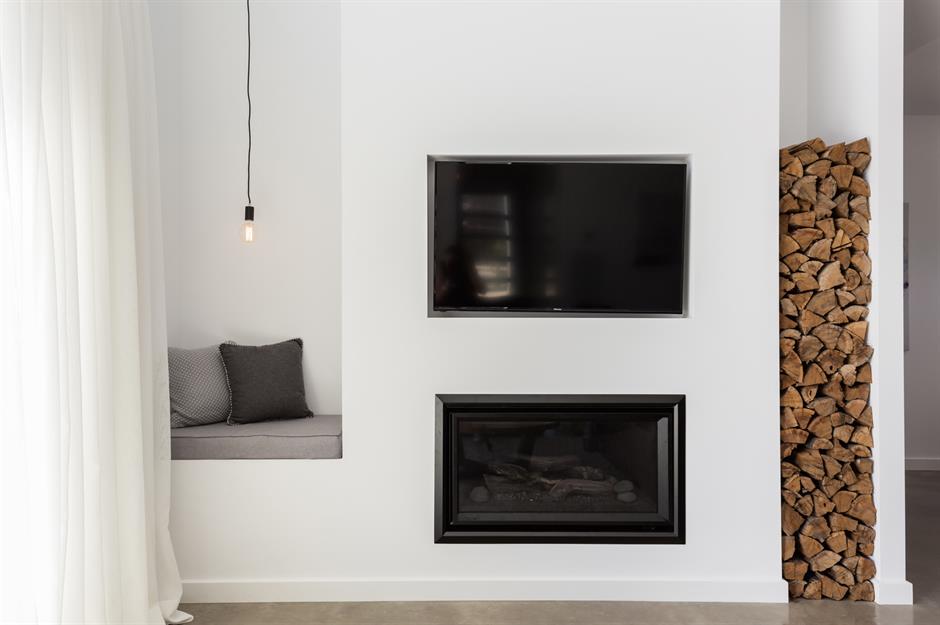
Mounting the TV on the wall might seem like a good idea: it looks smart, saves on floor space and creates a great viewing experience. But, if it's not supported correctly or secured to a robust wall, it could fall on you or a member of your family, and it could even be fatal.
Make sure your wall is strong enough to withstand the television (and it's not just plasterboard), and use the correct wall-mount bracket. Also, never put your TV above your fireplace: heat and technology do not mix well.
Bathtime tech

In 2017, it was reported that a US teen died as a result of dropping their mobile phone into the bathtub they were occupying. To investigate, an electrical engineer set up a demonstration with 'Inside Edition' and found that mobile phones themselves do not hold enough current to harm us when dropped into the bath.
However, should the phone, or any other device for that matter, be connected to a live charger at the time of submersion, then the outcome might be very different.
Product recalls
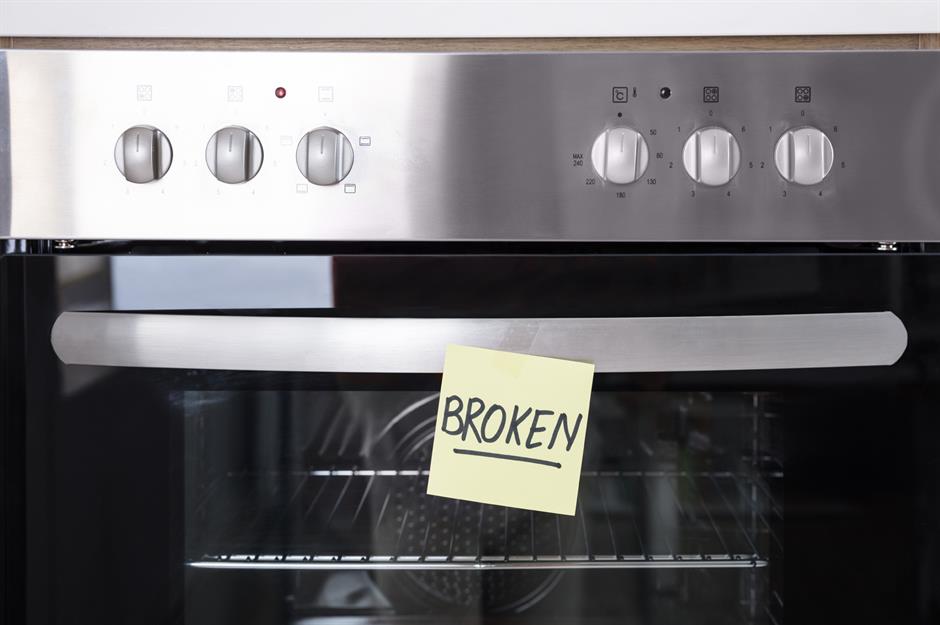
A product recall is a manufacturer's request to return a product after a safety issue or defect has been found that could be dangerous. But what if you don't know your appliance or device has a problem?
In the UK, Which? has a list of ten institutions that publish recalled products, from food to vehicles, so you can easily keep tabs on hazards. Elsewhere in the world, government websites will have a database of products recalled or under investigation.
Sponsored Content
Charging technology
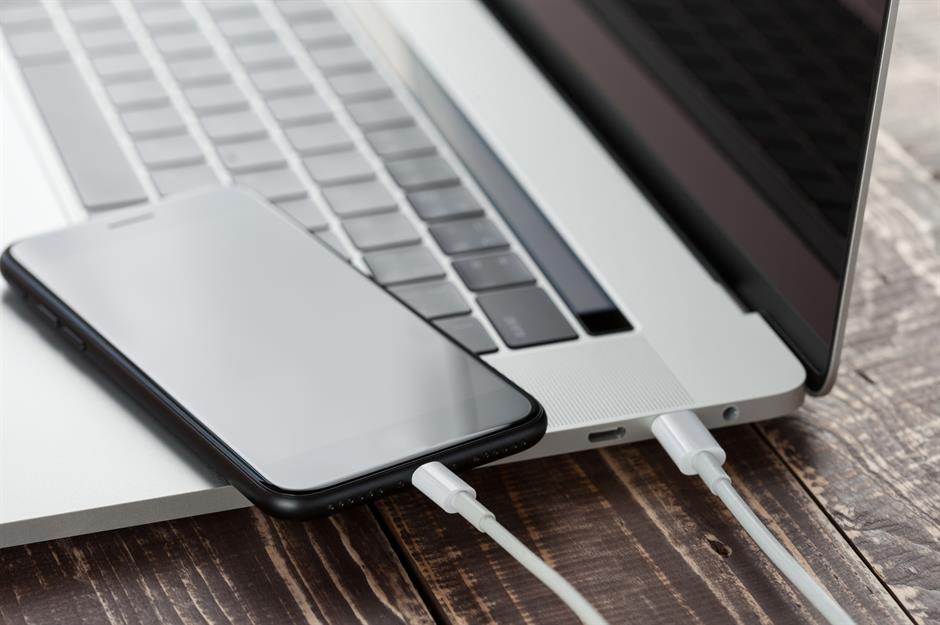
Mobile phones are essential for most of us, but do you know the risks when it comes to charging your vital technology?
Marketed as a bargain, there's a host of knock-off chargers available to purchase online, but they're often poor quality and fail to meet safety regulations.
This means they can cause injury, electric shocks, and even fires. Always buy from a genuine and reputable retailer.
Garden tools

Stepping on a garden rake is a common skit in slapstick comedy, but in real life, it can be a mishap with devastating consequences.
Dodge a painful head injury or broken nose by keeping brooms, rakes and sharp garden tools safely tidied away after use.
Blinds
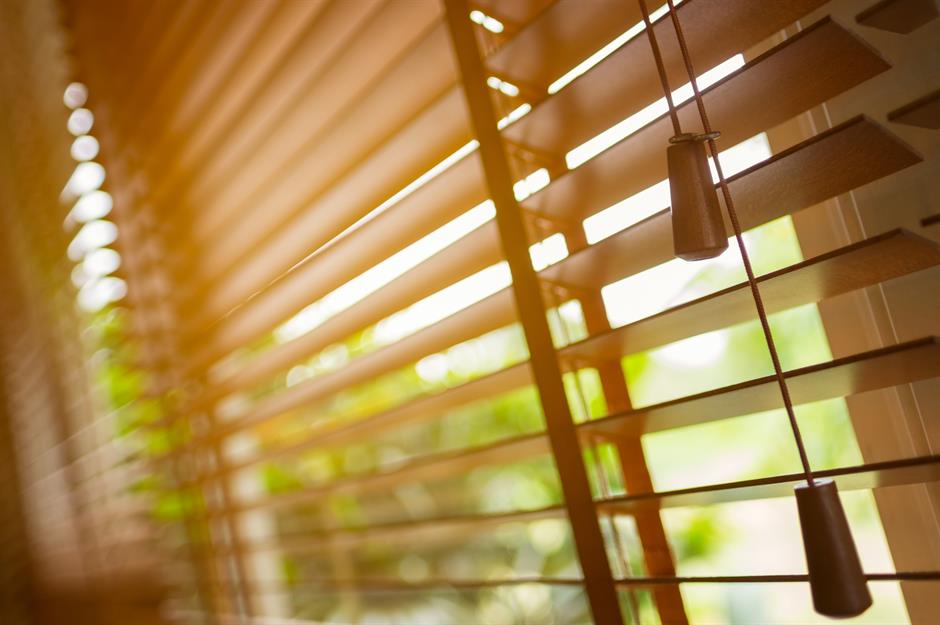
Loose window-blind cords are extremely dangerous for babies and toddlers in particular.
In the UK, new blinds must be "safe by design" or be supplied with the appropriate child-safety devices installed, but always make sure existing cords for window dressings in the home are kept short, out of reach and fastened with cleats, cord ties or clips.
Sponsored Content
Chopping boards

How clean is your chopping board? Back in the 90s, a study by the University of Wisconsin found that plastic boards are harder to keep clean than wooden versions since bacteria can linger for longer on an artificial, plastic surface. This is still considered to be true.
Scrub your chopping board thoroughly with hot soapy water and dry with a clean tea-towel. Plastic versions should be cleaned in the dishwasher as bacteria embedded in knife grooves are stubborn to remove.
Hot tubs

Don't you just love the thought of chilling in a hot tub with a few friends? Well, you might want to think again.
Michele Hlavsa, an epidemiologist and chief of healthy swimming for the Centers for Disease Control and Prevention, told the Huffington Post that warmer water temperatures and atmosphere can harbour many germs, including one aptly named 'Hot Tub Rash'. Yuck.
Washing-up bowls
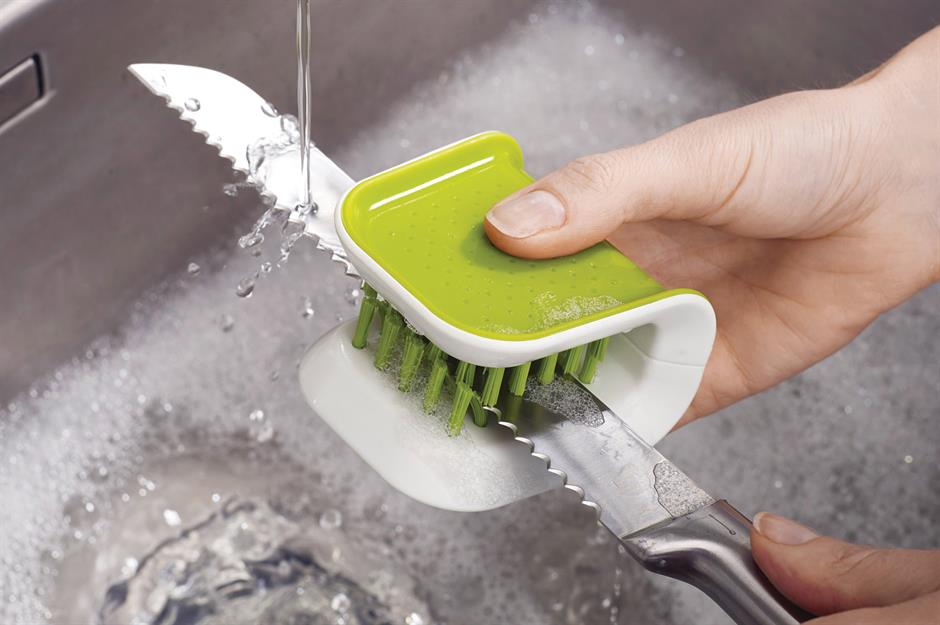
No one likes washing up, but it's a household chore that must be done. Now you're going to like the job even less. Professor Hugh Pennington, from the University of Aberdeen, told the BBC: "Placing chopping boards and knives teeming with germs together with plates and glasses in a plastic bowl is a recipe for cross-contamination".
Instead, ditch the washing-up bowl and wash dishes directly in the sink, under running water, with plenty of antibacterial washing-up liquid. Also, remember that carelessness when washing sharp objects can cause injuries.
Sponsored Content
Stairs

Poor lighting, slippery surfaces and obstacles left on treads are all too common, so it's no wonder that some reports found that over 50% of all deaths at home are the result of accidents on stairs.
Keep them clear, install a secure handrail, and use stair-gates if you have little ones.
Unstable cupboards

The American campaign 'Anchor It' states that "about every 30 minutes a child in the US is injured as a result of a TV or furniture tip-over incident." Dressers and cupboards are usually front- or top-heavy, so they're more likely to fall forward.
Always secure cupboards, wardrobes and drawers with anti-tip devices readily available at hardware stores. Many companies supply restraint kits with their products, so make sure you use them.
Another tip is to remove tempting objects from the tops of cupboards that might entice children to climb in the first place.
Pets
'Look what the cat dragged in' is an apt saying. Pets can bring all sorts of nasties into your home, such as insects, parasites, bacteria, and faeces. Their fur can cause allergies too.
Make sure you have the right cleaning routine for your pet, or your four-legged friend could become your worst nightmare. Look online for plenty of advice, including disposing of waste responsibly and keeping your furry companion's environment spick and span.
Sponsored Content
Clutter

A clutter-free home encourages a stress-free home, and a tidy space is good for your physical health too. As things pile up, dust is generated, and clutter can also increase the risk of falls and injuries.
Last but not least, piled paper and cardboard are a serious fire risk. Is it time to declutter your home for good and plan a charity-shop run?
Heated hair tools

Electrical Fire Safety states that every year, over half of accidental domestic fires in the UK are caused by electricity. How many times have you left the house second-guessing whether you switched off your appliances?
Always turn off your heated tools, unplug them and preferably store them in a heatproof case.
Garage doors

Garage doors are probably the largest and heaviest moving parts of our homes, meaning they can be extremely dangerous. Have them installed by a professional, especially if they are electric.
Keep them well-maintained and teach children that they are not to be played with at any time.
Sponsored Content
Minimal windows
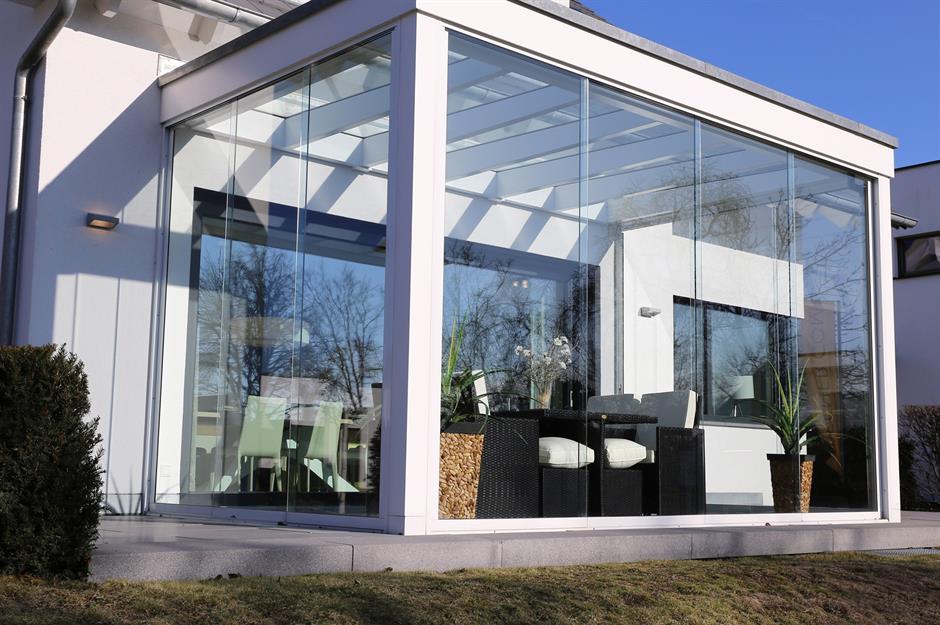
Glass doors with slim frames or no frames at all are fashionable in our homes since they maximise light and space. However, large glazed areas can cause trouble since they can be difficult to spot.
Make the glass obvious and avoid collisions by applying glass safety stickers (there are stylish and discreet versions available).
Coffee tables

Coffee tables, especially glass or angular designs, are an unseen hazard in the home. Usually positioned in the centre of a room and measuring between 16 and 18 inches tall, they can slip below your line of sight when you're in a rush, causing nasty injuries.
They're also the perfect height for 'cruising' toddlers too, so if possible, avoid sharp corners and choose a round design. If you have hard floors, place a rug secured with a rug gripper underneath the table to anchor it in place.
Loved this? Take a tour of unusual homes around the world